


Turkey Passes Conditional Amnesty Law for Kurdish Militants
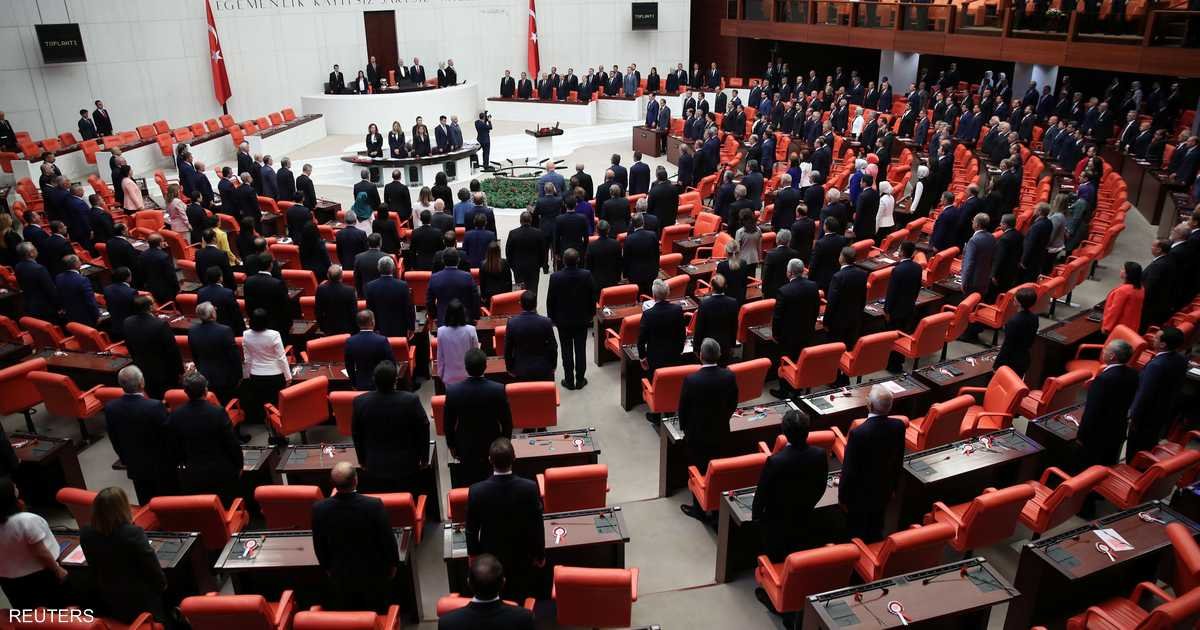
The Turkish Parliament has officially approved a significant legislative project introducing a conditional amnesty for thousands of members of the Kurdistan Workers’ Party (PKK). The move is a core component of the government’s ongoing peace initiative aimed at resolving the long-standing conflict with Kurdish militants.
Under the terms of the newly passed legislation, members of the armed group may be eligible for legal relief; however, the law includes strict stipulations. The amnesty is not immediate; its implementation is explicitly linked to the progress of the state’s broader security objectives, specifically the total disarmament of the PKK. The government has made it clear that the legal provisions will only come into force once authorities verify that the organization has surrendered its weapons and completely ceased its armed activities.
This legislative action represents a strategic effort by the Turkish government to formalize its peace process. By creating a legal framework for the potential reintegration of militants, Ankara seeks to incentivize a shift away from armed insurgency toward political dialogue. The requirement for a complete handover of arms acts as a safeguard, ensuring that the amnesty serves as a mechanism for stability rather than a unilateral concession.
For years, the conflict between the Turkish state and the PKK has been a defining issue in the country’s domestic security and political landscape. The initiative reflects a shift in policy direction, moving from purely security-centric measures to a more comprehensive approach that balances judicial intervention with diplomatic efforts. By passing this bill, lawmakers have provided the government with the necessary legal instruments to manage the transition if the militant group agrees to lay down its arms.
The international community and regional observers are closely monitoring the implementation of this legislation. The success of this policy remains contingent upon the willingness of the Kurdish militants to fulfill the disarmament requirements laid out by the state. Should the disarmament process proceed according to the government’s roadmap, this development could serve as a pivotal moment in Turkey’s internal security history, potentially ending decades of cycles of violence and instability.
As the law awaits activation, the focus remains on the ground, where authorities and stakeholders are expected to coordinate on the specific technicalities of the disarmament process. The government has reiterated that the primary goal is to ensure the safety and security of the Turkish state while simultaneously offering a pathway for those willing to renounce violence to exit the insurgency. The political implications of this move are substantial, as it marks a departure from traditional responses to the Kurdish question, signaling an attempt to address the grievances of the conflict through legal and parliamentary channels.