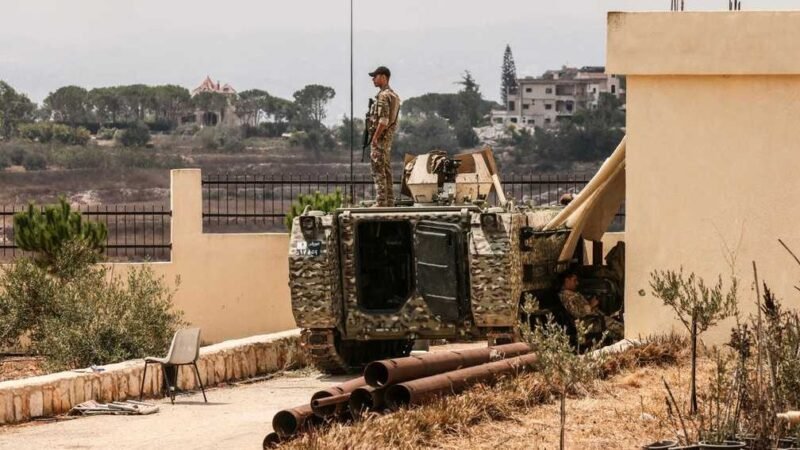


Libyan Military Official: Assassination Will Not Halt Anti-Terrorism
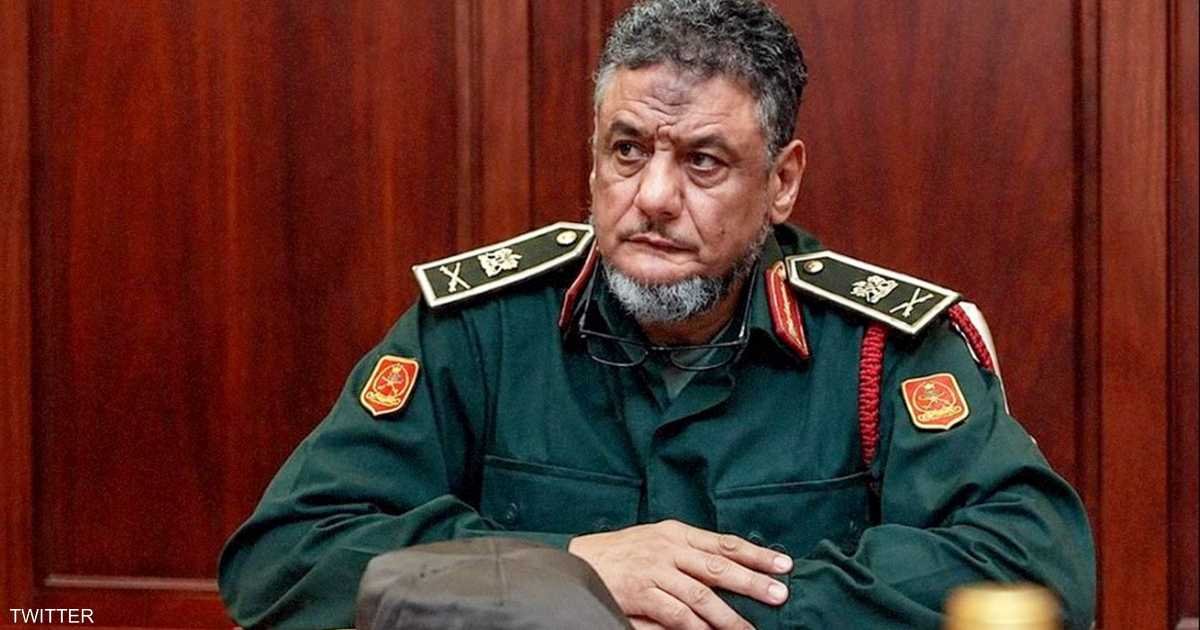
The Libyan military has issued a defiant response following the targeted assassination of a high-ranking intelligence official in Benghazi. Major General Khaled Al-Mahjoub, Director of the Moral Guidance Department of the Libyan Army, declared that the killing of Major General Fawzi Al-Mansouri, the Director of Military Intelligence, is a calculated but failing attempt to destabilize the nation’s security apparatus.
Speaking on the incident, Al-Mahjoub characterized the assassination as a desperate move intended to erode the progress made in stabilizing the country. He emphasized that the act serves as a reminder of the persistent threats posed by armed groups operating within Libya. Despite the loss of a senior intelligence officer, Al-Mahjoub affirmed that the Libyan Army remains committed to its mission of neutralizing terrorist elements and restoring order across the region.
The killing of such a high-level security official highlights the volatile security landscape that continues to challenge efforts to maintain stability in Libya. Military intelligence plays a critical role in monitoring and disrupting the networks of extremist and armed groups, making its leadership a target for those who wish to impede national security efforts.
Major General Al-Mahjoub underscored that the security strategy of the Libyan Army will remain robust in the face of these provocations. He stated that the military will not be deterred from its ongoing operations aimed at combating extremism. The assertion from the military leadership serves as a signal of institutional resilience, suggesting that the command structure intends to maintain its momentum in operations against armed groups despite the loss of its intelligence chief.
The assassination has drawn attention to the persistent challenges of maintaining security in areas like Benghazi, which have been central theaters in Libya’s broader efforts to reorganize its military and security infrastructure. While the security situation remains fluid, officials are signaling that the institutional response to such targeted attacks will be to intensify pressure on those responsible for the violence.
Security analysts are monitoring the situation closely, as the death of a figure as prominent as Al-Mansouri represents a significant blow to the military’s intelligence operations. However, the official response from the Moral Guidance Department suggests that the military leadership is focused on preventing the incident from being exploited to sow further division or to halt the progress made in anti-terrorism campaigns. The Libyan authorities continue to emphasize that, far from retreating, the military intends to persevere in its mandate to enforce national security and dismantle the infrastructure of armed militias and terror cells operating in the country.