

Syria Faces Transition Justice Test Amid Legal Pursuit of Regime Figures
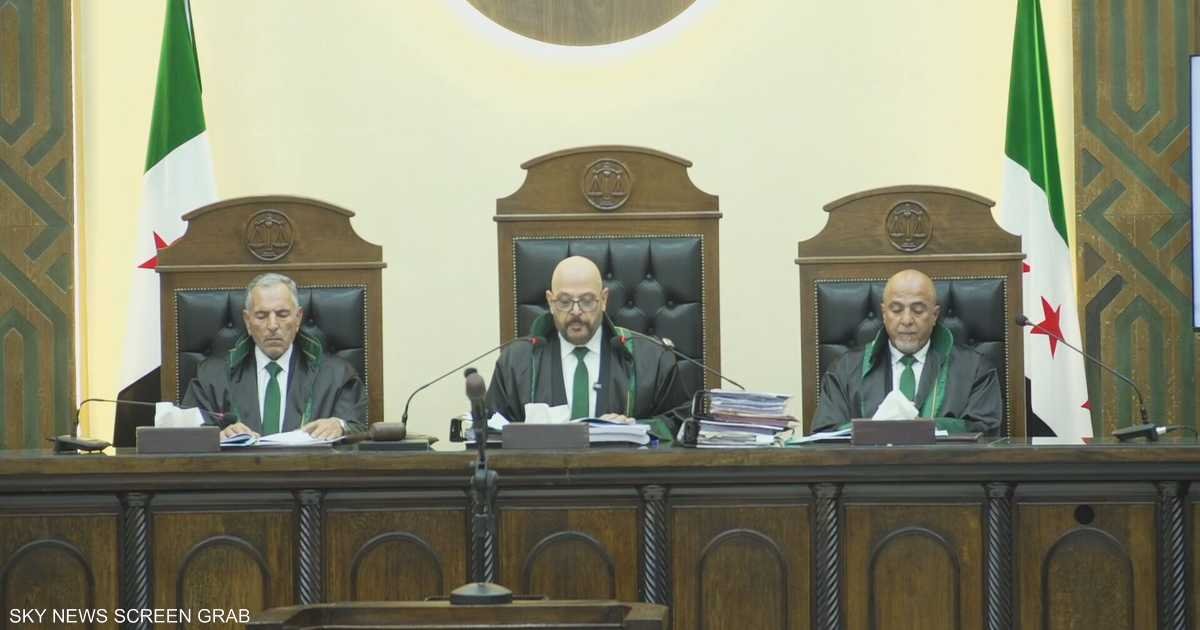
Syria is currently navigating a highly sensitive and pivotal stage regarding transitional justice, as the long-standing conflict shifts from the realms of security and political maneuvering into the formal judicial arena. This transition marks a significant development in the broader post-conflict landscape, characterized by the emergence of formal legal processes aimed at addressing the systemic atrocities committed over the past decade.
In recent months, the focus has intensified on legal accountability, with various judicial bodies and international forums taking unprecedented steps. The shift from mere political discourse to the issuance of death sentences and the initiation of rigorous legal pursuits against prominent figures associated with the Syrian regime underscores a burgeoning desire for institutional justice. These developments are not limited to domestic efforts but also involve complex international legal dimensions, creating a complicated environment for those who remain in power.
One of the most pressing questions in this evolving narrative is the status of high-ranking regime officials, including President Bashar al-Assad, and the potential for their handover to international or transitional judicial mechanisms. The role of international allies, particularly Russia, has become a focal point of debate. As a primary military and political backer of the Syrian regime, Russia’s position is widely viewed as a critical variable in any future scenario involving the extradition or prosecution of senior leadership. Analysts are closely monitoring whether the pressure of international law and the evolving regional diplomatic climate might eventually compel Moscow to reconsider its protective stance, or if such efforts will remain stalled by geopolitical stalemates.
The current judicial activity represents a profound shift in the accountability landscape. By moving beyond political condemnation to tangible legal actions, survivors and human rights advocates are attempting to create a lasting record of state-sponsored actions. However, the path to justice remains fraught with structural, diplomatic, and security challenges. The existence of arrest warrants and the ongoing legal scrutiny against members of the former regime suggest that the international community is increasingly attempting to institutionalize the pursuit of justice as a prerequisite for any long-term political resolution in the country.
As the process moves forward, the intersection of transitional justice and the realpolitik of the Syrian conflict continues to define the domestic situation. The legal scrutiny facing figures within the Syrian apparatus serves as a reminder that the conflict’s legacy is being rewritten in courtrooms, even while the formal political future of the country remains unresolved. Whether these judicial efforts will lead to concrete consequences or remain symbolic acts of condemnation depends on a confluence of internal stability and the shifting dynamics of international relations, particularly concerning the influence exerted by external powers involved in the Syrian theater. For now, the transition toward judicial accountability remains one of the most volatile and significant elements of the ongoing Syrian crisis.