

Iraq Faces Critical Test Over State Monopoly on Weapons
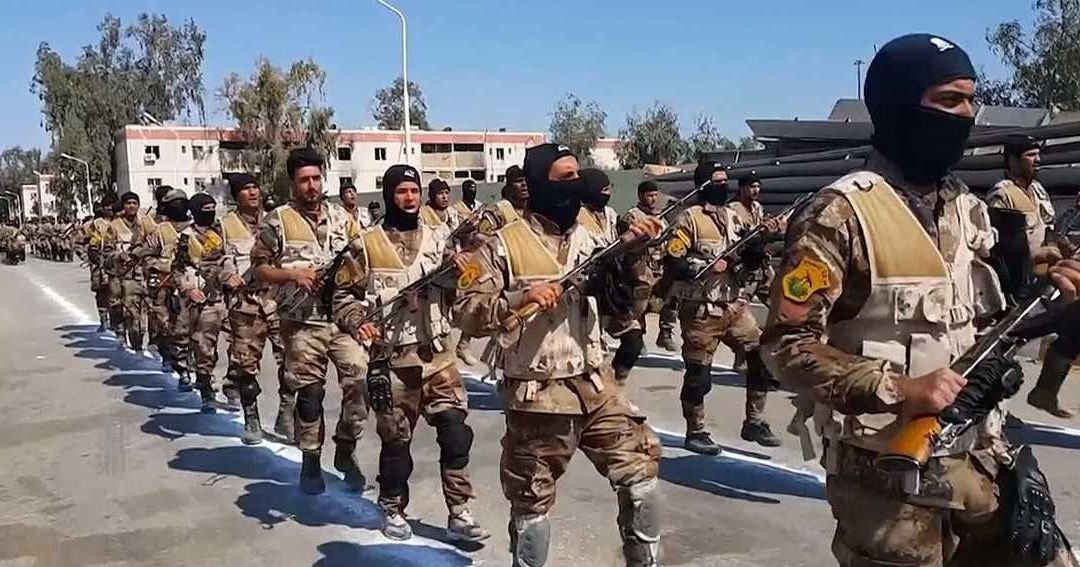
The administration of Iraqi Prime Minister Ali al-Zaydi is currently navigating a high-stakes political and security challenge as it moves to enforce a state monopoly on weaponry. The initiative, aimed at consolidating control over all military hardware within the country, has reached a critical juncture, highlighting deep-seated tensions regarding the influence of various armed factions operating outside formal state structures.
Observers have pointed to conflicting reports regarding the willingness of these groups—and their external backers, specifically Iran—to comply with the government’s directive. While official channels have emphasized the importance of a unified security apparatus, there remains significant skepticism about the actual scope of the disarmament process. Central to this debate is the distinction between the handover of visible, heavy equipment such as tanks, and the potential concealment of more versatile, strategic assets like short- and long-range missiles.
Analysts suggest that the government’s challenge extends far beyond the physical collection of artillery and armored vehicles. The broader, more complex issue involves the political leverage held by these factions and their external regional loyalties. For the government, the success of the disarmament policy hinges on whether it can effectively integrate these groups into state frameworks or diminish their independent political influence, both of which have historically complicated central governance in Baghdad.
There is growing public and political scrutiny over whether the state’s efforts will result in a genuine transition of power or remain limited to the surrender of declared weaponry. If the policy is perceived as merely cosmetic, it could exacerbate existing political divisions. Conversely, a comprehensive disarmament program threatens the foundational influence of well-entrenched non-state actors, many of which maintain robust ties to regional powers that exert influence over Iraq’s internal security landscape.
As the government continues its negotiations with militia leaderships, the outcome of this test is expected to define the current administration’s ability to project authority and ensure national stability. The process is being closely monitored by regional stakeholders who are sensitive to shifts in Iraq’s military balance of power. With conflicting reports still circulating, the coming weeks are expected to reveal the depth of the commitment from all parties involved to transition Iraq toward a system where the government holds exclusive control over the nation’s security and defense capabilities.