

Mediterranean Biodiversity Under Pressure as Alien Species Multiply
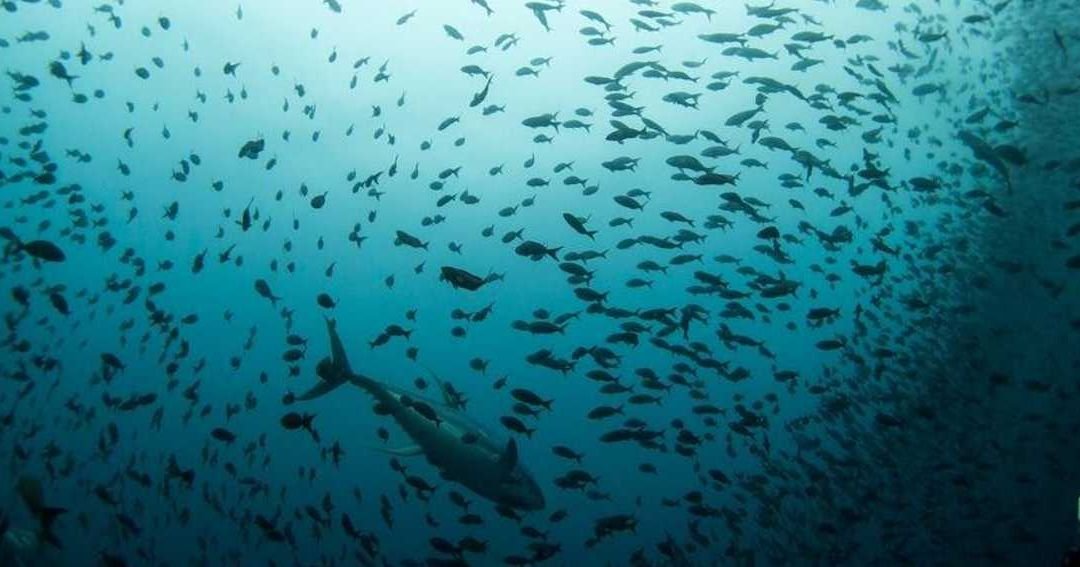
The Mediterranean Sea is undergoing a profound ecological transformation as the population of non-native species continues to rise at an accelerating pace. Recent data indicates that the number of alien species identified in the basin has now surpassed the 1,000 mark, a significant increase from the fewer than 800 recorded just a decade ago. This rapid influx, with new organisms arriving in the basin roughly every two weeks, is fundamentally reshaping the Mediterranean’s marine environment.
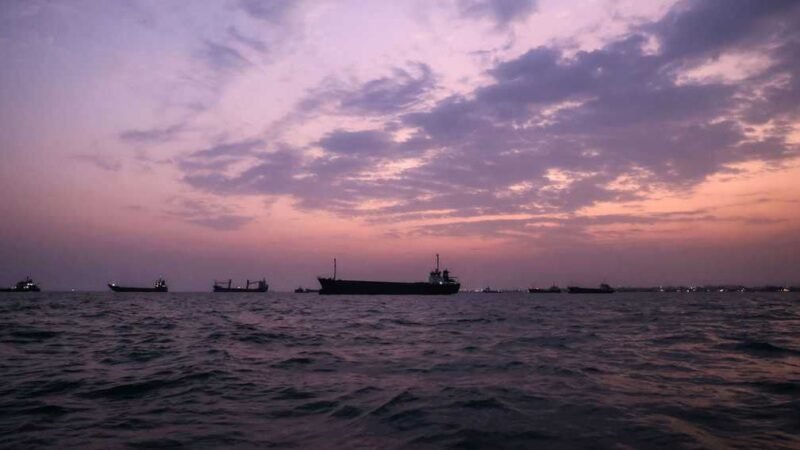
The Mediterranean, which serves as a vital maritime artery for numerous North African, Middle Eastern, and Southern European nations, is experiencing pressures that extend beyond its calm surface. The constant introduction of non-native species is creating challenges for the existing marine ecosystems, which are already grappling with broader environmental shifts. As these new organisms establish themselves, they alter the biological balance of the sea, potentially impacting coastal economies, local fisheries, and the overall health of the marine habitat upon which many regional populations depend.
The proliferation of these species is a long-term trend, but the rate of introduction has heightened concerns among scientists and regional observers. With a new arrival documented approximately every fortnight, the speed of change is outpacing the natural adaptation capacity of indigenous marine life. The demographic and economic implications for the surrounding nations—ranging from Egypt and the Levant to the Maghreb—are becoming increasingly apparent as these maritime shifts influence the traditional resources and biodiversity that have sustained these shores for generations.
The Mediterranean has historically acted as a corridor for trade and cultural exchange, but it is now effectively becoming a focal point for large-scale ecological transition. The crossing of the 1,000-species threshold represents a critical benchmark in this ongoing process. As the sea becomes more crowded with non-native flora and fauna, regional authorities face the challenge of understanding the long-term consequences of this biological influx. While the surface of the sea may appear unchanged to the casual observer, the deeper reality is one of structural evolution, where the Mediterranean of today bears increasingly less resemblance to the marine environment of the past.
This trend poses significant questions regarding regional maritime management and the necessity for coordinated efforts to monitor the health of the basin. As these invasive or non-native arrivals continue to settle across the diverse coastal environments of the Mediterranean, the scientific community remains focused on the cumulative impact of these arrivals. For the nations bordering this shared sea, the changing composition of marine life is a development that requires continued attention, as it directly impacts the vast blue territory that connects their geopolitical and economic interests.