

Gaza’s Rubble Becomes Open Graves for the Missing
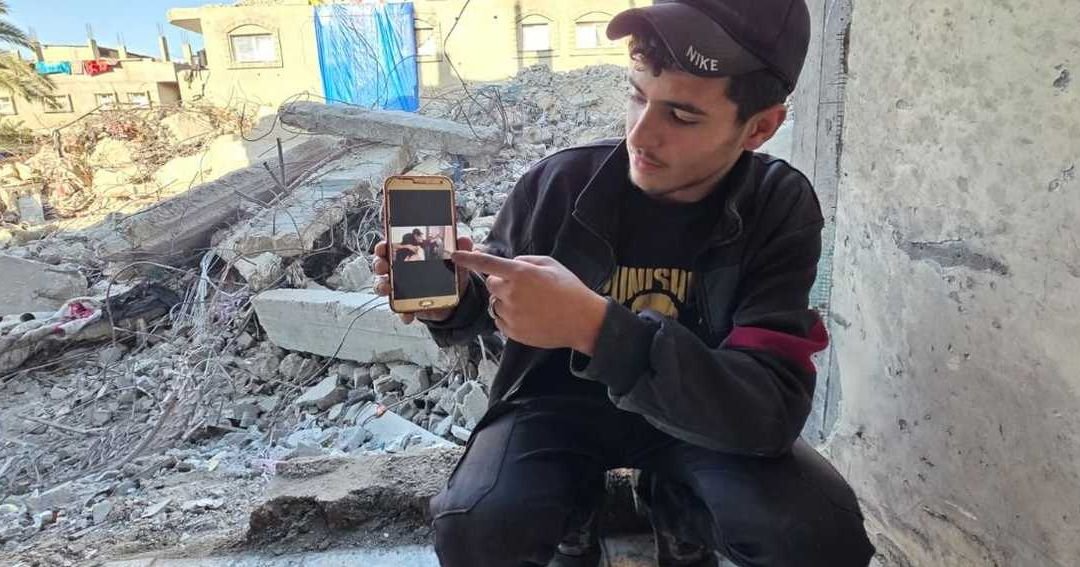
Two years after the onset of the devastating war in Gaza, the vast landscape of wreckage that defines the territory has taken on a somber and haunting new significance. For countless families, the piles of concrete, twisted steel, and pulverized stone are no longer merely the remnants of destroyed homes; they have become open-air graves for the missing.
As the conflict continues, a harrowing reality has emerged for residents seeking closure. Thousands of individuals remain buried beneath the ruins of houses obliterated during relentless aerial bombardment and artillery fire. With heavy machinery largely unavailable and the infrastructure of the enclave shattered, families are often forced to engage in the desperate, manual task of sifting through the debris with their bare hands in a grim search for the remains of their kin.
This process has turned the daily life of survivors into a continuous confrontation with grief. The inability to conduct proper burials or even recover the bodies of the deceased has compounded the psychological trauma of an already displaced and suffering population. For these families, the rubble holds the final resting place of fathers, mothers, and children who vanished in an instant, leaving their survivors in a state of suspended mourning.
International aid organizations and civil defense workers have faced immense challenges in attempting to clear the massive quantities of debris. The lack of fuel, electricity, and specialized equipment, coupled with the persistent security risks, has made the recovery of victims an agonizingly slow and often impossible endeavor. In many cases, the sites where homes once stood have been abandoned as the danger of structural collapse or unexploded ordnance remains high.
The situation highlights the profound humanitarian cost of the ongoing destruction in the Gaza Strip. Beyond the immediate loss of life recorded in official statistics, there is a secondary, silent crisis involving the thousands who remain unaccounted for, trapped beneath the weight of their own former lives. For the families left behind, the cycle of searching through the wreckage has become a testament to their endurance and their refusal to let their loved ones be forgotten, despite the immense physical and emotional toll that such a search demands.
As the search for remains continues, the vast expanses of ruins serve as a permanent scar on the landscape of the territory. The struggle to reclaim the dignity of the deceased reflects the broader humanitarian struggle of those living in Gaza, who continue to navigate the aftermath of a war that has left no corner of their environment untouched. The persistent absence of these individuals continues to weigh heavily on the community, marking the passage of two years not only in time, but in the enduring sorrow of those still looking for answers among the broken remnants of their homes.