

US Officials Link Lebanon Escalation to Hezbollah Activity
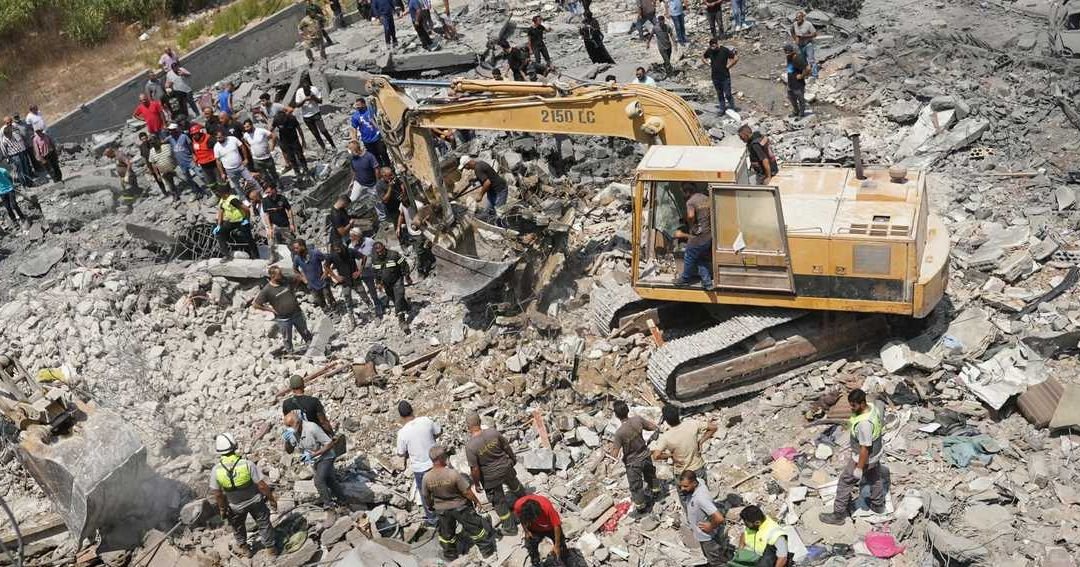
A high-ranking United States official has issued a formal assessment regarding the intensifying military developments along the Lebanese border, squarely placing the responsibility for the current escalation on Hezbollah. The American position, which underscores the complexity of the security environment, characterizes the presence of Israeli military operations in southern Lebanon as a direct consequence of the regional activities and posture maintained by the Lebanese armed group.
According to the official, the ongoing efforts to navigate the security crisis in southern Lebanon remain tethered to the framework of experimental or pilot zones. This approach is described as the sole viable path currently available to establish a durable peace and sustainable security for both Lebanon and Israel. Washington continues to advocate for de-escalation strategies that address the core security dilemmas of the frontier region, suggesting that the normalization of the area depends on shifting the current status quo.
The statement serves as the first official American reaction to the most recent surge in hostilities. It highlights a recurring theme in US regional policy: the prioritization of border stability through diplomatic channels, while simultaneously holding non-state actors accountable for triggering broader military responses. By isolating Hezbollah’s influence as a central factor in the operational decisions made by the Israeli military, the US aims to frame the conflict within the context of sovereign control and militant activity across the Blue Line.
For months, the situation in southern Lebanon has been characterized by localized skirmishes and long-range exchanges that have raised international alarm regarding the possibility of a wider regional conflagration. The diplomatic push for stability is complicated by the entrenched positions held by all parties involved, as well as the significant infrastructure damage reported in both northern Israel and southern Lebanon. The US assessment confirms that Washington views the cessation of hostilities as contingent upon the management of security conditions that currently favor regional military volatility over stability.
As the situation continues to evolve, the American administration’s focus remains on maintaining the integrity of the border and preventing the regional instability from spiraling into a wider conflict. Whether the proposed model for peace can be sustained remains a significant question, particularly as local security incidents continue to define the day-to-day realities for the residents of the border region on both sides. For the moment, the diplomatic discourse remains fixed on the necessity of addressing the operational presence of armed factions as the primary obstacle to achieving a long-term, sustainable security arrangement.