

Iraqi Authorities Seize Millions in Corruption Crackdown
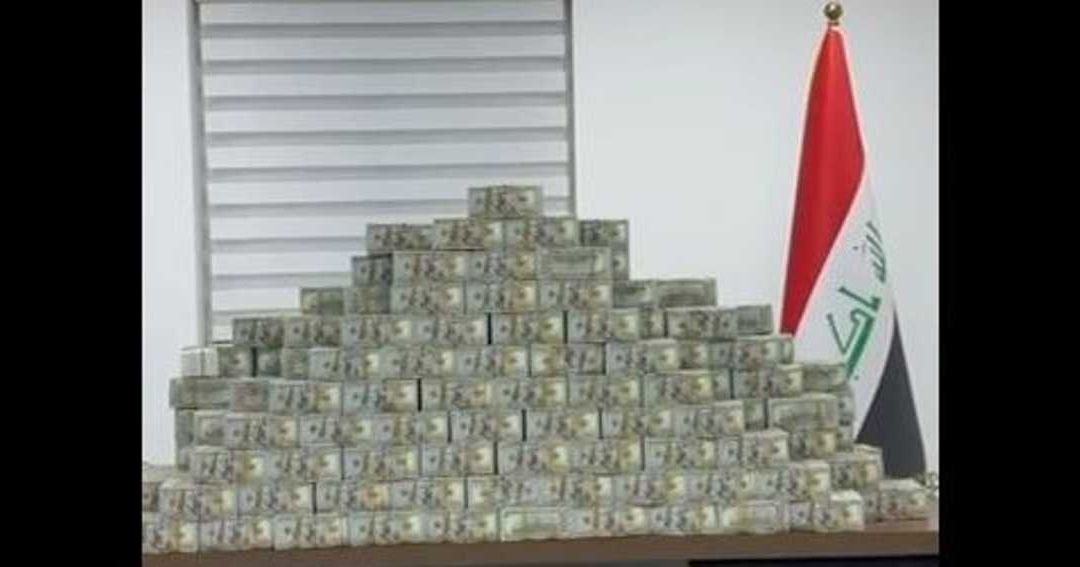
Iraqi authorities have made a significant breakthrough in the country’s ongoing efforts to combat institutional corruption. The Central Anti-Corruption Court in Baghdad announced on Sunday that it has successfully seized 20 million U.S. dollars in cash, alongside 60 kilograms of gold, as part of a high-profile investigation involving a senior official within the Ministry of Oil.
Judge Diaa Jafar, head of the Central Anti-Corruption Court, confirmed the recovery of the assets, marking a notable development in the state’s efforts to target illicit financial gains within the public sector. The investigation specifically centers on the activities of an individual serving as an advisor or deputy within the petroleum administration, highlighting the government’s focus on rooting out financial malfeasance in one of the country’s most critical economic sectors.
Corruption remains a pervasive challenge in Iraq, particularly within the management of the nation’s vast hydrocarbon resources. The seizure of such substantial quantities of hard currency and precious metals provides a stark illustration of the scale of illicit enrichment that has plagued various state departments. The judicial action is viewed by observers as a pivotal moment for the judiciary’s ongoing attempts to dismantle networks of graft that have historically operated with significant impunity.
While the identity of the specific official involved in the case has not been disclosed in detail, the scale of the assets recovered suggests that the investigation is part of a broader, more aggressive push by Iraqi authorities to hold high-ranking officials accountable for their actions. The Ministry of Oil is the cornerstone of the Iraqi economy, and irregularities within its organizational structure have long been a subject of intense public scrutiny and international concern regarding transparency.
The recovery of these assets follows a series of recent judicial initiatives aimed at addressing the systemic issues that have hindered Iraq’s administrative stability and economic development. By focusing on the recovery of illicitly obtained assets, the courts aim to send a clear message regarding the potential consequences for those engaged in systemic corruption.
Authorities have indicated that the investigation into the matter is continuing, with further forensic analysis of the seized assets and related documentation currently underway. The government remains under pressure from both the public and civil society groups to provide greater transparency in the management of state resources and to ensure that individuals found responsible for large-scale financial crimes are brought to justice. As the legal proceedings progress, the judiciary is expected to release further information regarding the case and the legal implications for those implicated in the investigation.