


Eight Nations Condemn Israel’s Rejection of Gaza Plan
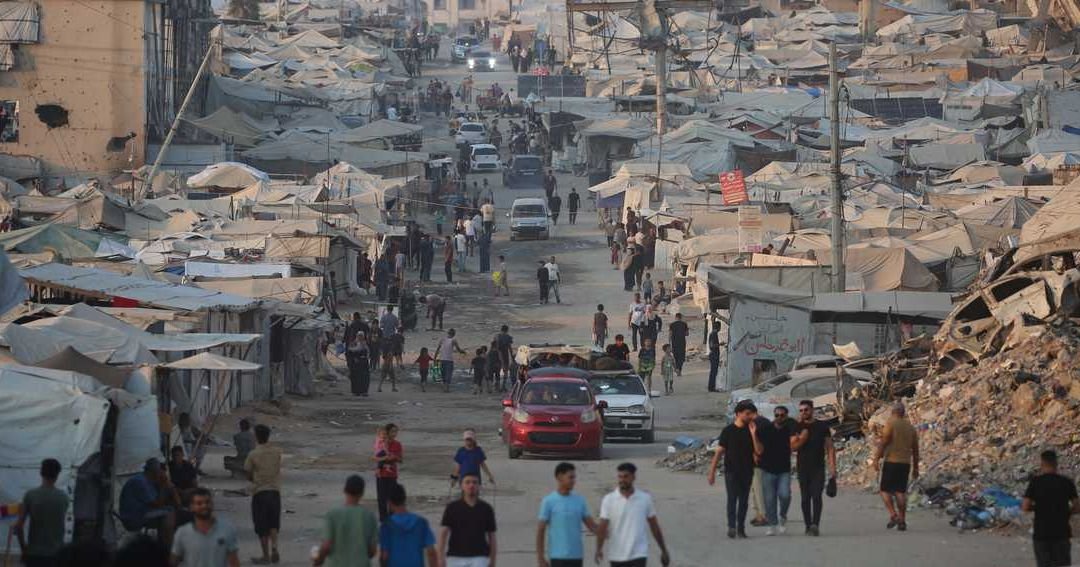
A coalition of eight Arab and Muslim-majority nations has officially condemned the Israeli government’s rejection of the Gaza peace proposal put forward by the United States. This diplomatic development marks a significant point of tension regarding regional efforts to reach a ceasefire and a long-term resolution to the ongoing conflict in the Gaza Strip.
The plan in question, which has garnered international support, is underpinned by United Nations Security Council Resolution 2803. This resolution was intended to serve as a roadmap for cessation of hostilities, humanitarian relief, and the eventual stabilization of the territory. By explicitly dismissing the framework, the Israeli administration has drawn sharp criticism from these regional powers, who maintain that adherence to the Security Council resolution is essential for restoring order and addressing the humanitarian crisis in Gaza.
The joint statement issued by the eight nations emphasizes their collective stance that international consensus, as reflected in the UN Security Council decision, remains the only viable path toward de-escalation. The participating states have expressed profound concern that the move to disregard this specific plan undermines diplomatic efforts to protect civilians and facilitate the delivery of aid. The condemnation highlights a growing divide between these regional stakeholders and the current Israeli position on the future of the territory.
For the signatory nations, the rejection is viewed as a disregard for the international legal framework that governs the region’s security and humanitarian protocols. The move has stalled hopes for a rapid transition toward a more secure environment, as regional leaders look to the United Nations to uphold the mandates previously agreed upon by the international community. The diplomatic fallout from this decision is expected to continue to resonate across the Middle East, as these nations call for a renewed commitment to the terms established in the UN Security Council resolution.
As the situation remains volatile, the opposition from these eight countries signals a unified regional push back against unilateral policies that diverge from established international protocols. The emphasis on Resolution 2803 underscores the importance placed by these regional actors on multilateral frameworks to solve the crisis. While the Israeli government continues to navigate its security strategy, the diplomatic pressure from these neighboring and regional states serves to underscore the high stakes involved in the failure to reach a negotiated settlement for Gaza.