

Gaza Beekeepers Struggle to Restore Colonies Amidst Destruction
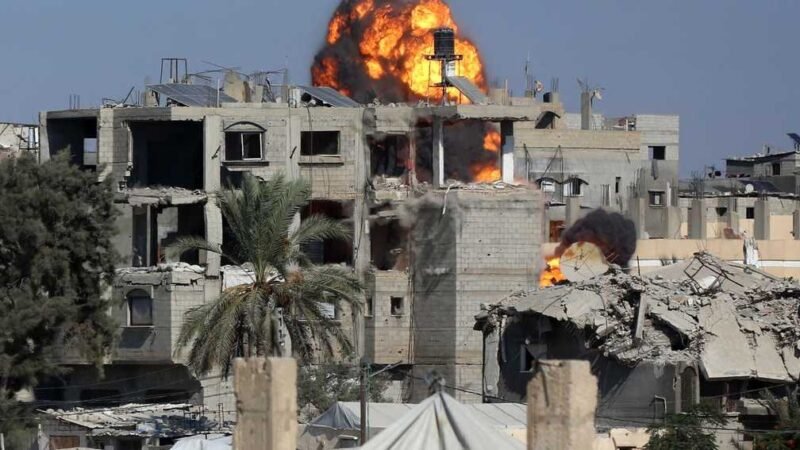
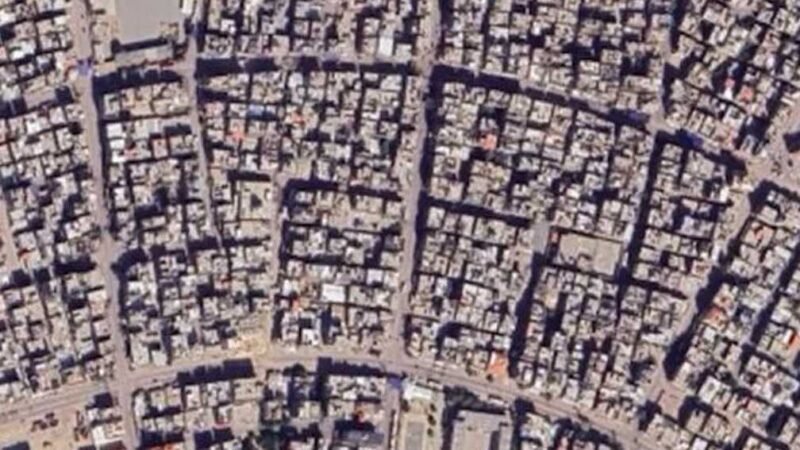
In the devastated landscape of Jabalia, in the northern Gaza Strip, the remnants of war have reshaped the terrain into endless piles of rubble. For many residents, the loss of homes, businesses, and livelihoods has been absolute, leaving little space for optimism or the possibility of returning to pre-war occupations. However, for some local beekeepers, a recent discovery among the debris has provided a flicker of hope for recovery.
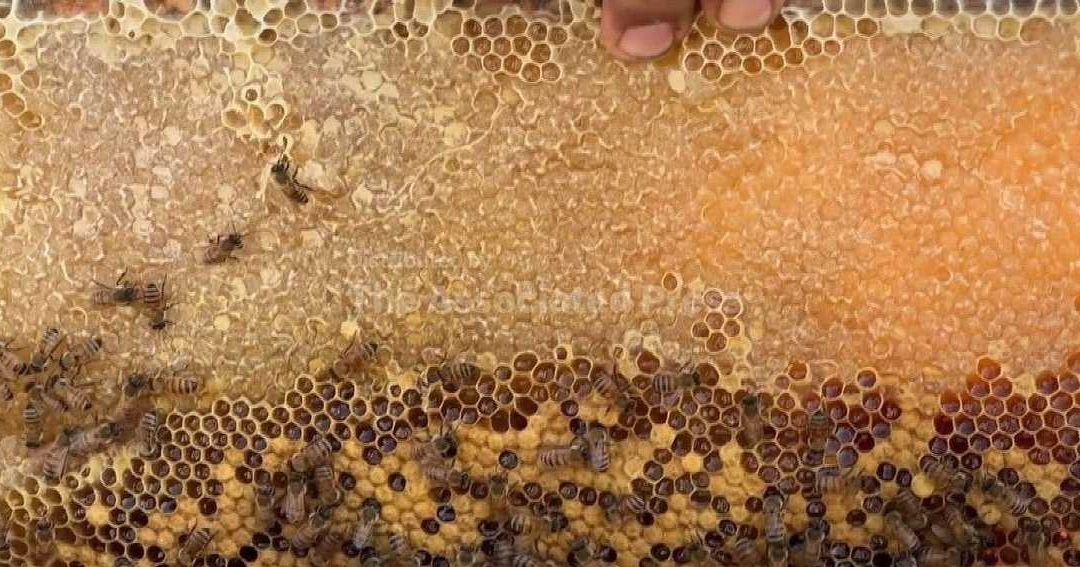
Niveen Al-Ashqar, a resident of the area, recently found herself navigating the ruins where her home once stood. Like thousands of others in the region, she had faced the dual challenges of intense conflict and widespread displacement. Expecting to find nothing more than remnants of destruction, she instead witnessed an unexpected sign of life: a small swarm of bees emerging from a narrow crevice within the broken concrete.
This discovery led her to uncover a single honeybee colony that had miraculously survived the intense bombardment and the subsequent upheaval of the surrounding neighborhood. For Al-Ashqar and other local apiarists, this surviving colony serves as a fragile foundation upon which to attempt a return to their traditional craft.
Beekeeping in Gaza has long been a significant, albeit small-scale, agricultural activity, providing both a source of income and a vital component of the local ecosystem. The collapse of infrastructure and the environmental damage wrought by the ongoing conflict have made the survival of such delicate operations increasingly rare. The ability of these bees to endure the harsh conditions of the conflict—surviving amidst damaged structures and the loss of natural forage—has drawn attention to the persistent, if quiet, efforts of residents to reclaim their livelihoods.
As the region continues to deal with the aftermath of the war, the task of rebuilding is immense. For those engaged in agriculture and specialized food production, the process is particularly slow, hindered by restricted access to materials, the loss of equipment, and the ongoing instability that characterizes life in the northern Strip. Nevertheless, for survivors like Al-Ashqar, the sight of a functioning colony in the heart of the ruins represents more than just a potential honey harvest; it serves as a symbolic, if difficult, first step toward restoring the normalcy and self-sufficiency that existed before the conflict began.
The recovery of these colonies remains an isolated development in a broader context of humanitarian and economic hardship. As local farmers and beekeepers attempt to assess how many other colonies may have survived, the focus remains on navigating the dangers posed by the remaining debris and the scarcity of necessary resources. While the road to full restoration for the region’s agricultural sector remains uncertain, the persistence of these swarms offers a small, tangible reminder of the efforts being made by those working to rebuild their lives in the face of near-total destruction.