

Gaza Negotiations Stalled Over Demilitarization Demands
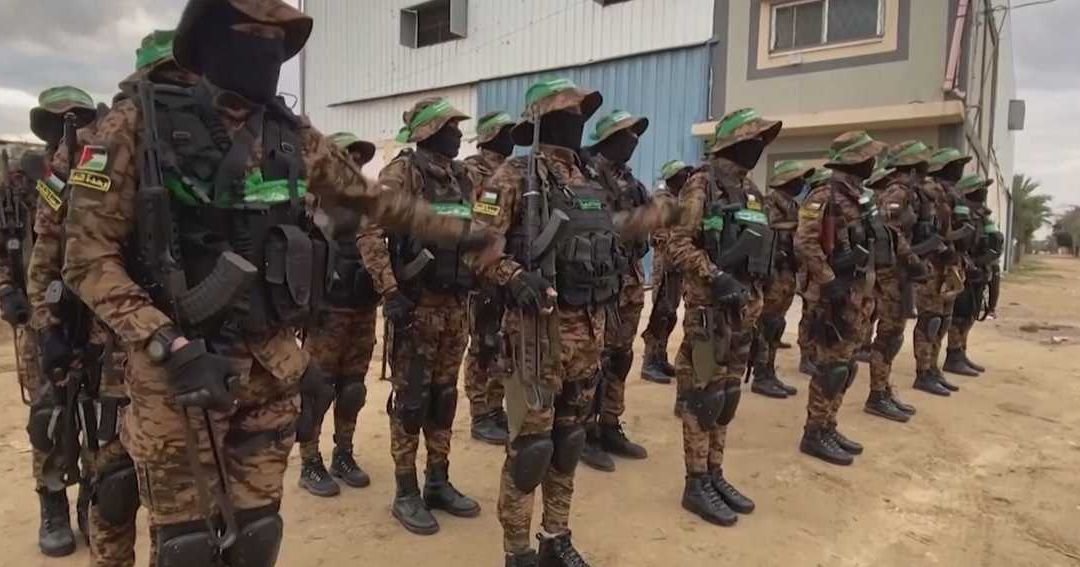
The second phase of the Gaza ceasefire agreement has entered a critical and increasingly complex stage, as negotiations face a significant impasse over the future of security arrangements within the territory. Central to the current deadlock is a fundamental disagreement regarding the disarmament of Hamas, a condition that has become the primary point of contention between the negotiating parties.
International mediators are attempting to navigate the conflicting narratives surrounding this phase. On one side, there is an insistence that the demilitarization of Hamas is a mandatory prerequisite for any sustainable progress in the current diplomatic roadmap. Proponents of this view argue that without a clear mechanism to address the movement’s military capabilities, the security architecture of the region cannot be fundamentally restructured or stabilized.
Conversely, concerns are growing that this requirement is being utilized as a strategic obstacle. Analysts and observers on the ground have highlighted fears that the demand for disarmament may be serving as a pretext for an indefinite delay in the withdrawal of Israeli forces from the Gaza Strip. The intersection of these two positions—the demand for security guarantees versus the call for territorial withdrawal—has effectively brought the implementation of the second phase to a standstill.
The impasse reflects the deep-seated mistrust that continues to define the conflict, as both sides interpret the terms of the broader ceasefire deal through divergent lenses. For Israel, the removal of militant infrastructure remains a non-negotiable security imperative, which officials have frequently linked to the sustainability of any long-term arrangement. For Palestinian stakeholders and regional mediators, however, any condition that grants the Israeli military ongoing operational control or a reason to prolong its presence in Gaza is viewed as a violation of the spirit and intent of the proposed withdrawal.
As the diplomatic process falters, the humanitarian and political stakes continue to mount. The lack of a clear agreement on how to reconcile these competing security and territorial goals leaves the ceasefire in a precarious position. The current stalemate underscores the immense difficulty of moving from a cessation of hostilities to a structured, post-conflict arrangement. Without a breakthrough on these core security issues, the roadmap for Gaza’s reconstruction and the transition to a new governance reality remain obstructed, leaving the future of the deal—and the region—in a state of ongoing uncertainty.