

UN: 97% of Agricultural Land in Gaza Now Out of Service
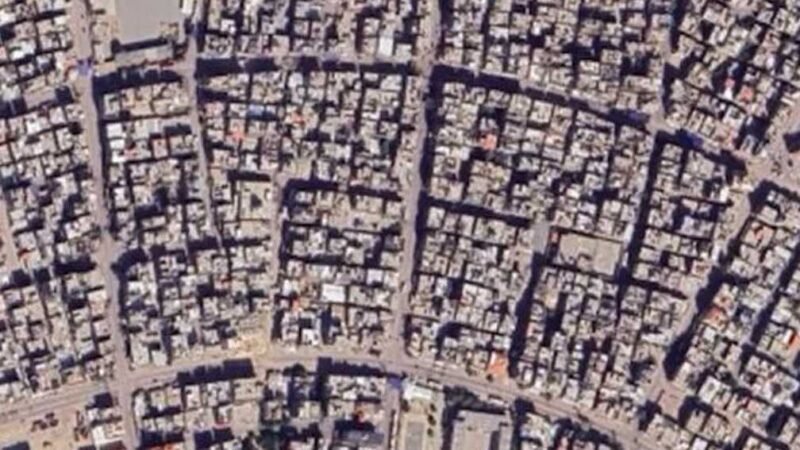
A critical warning has been issued by the Food and Agriculture Organization (FAO) of the United Nations regarding the catastrophic state of food production infrastructure within the Gaza Strip. According to a recent assessment conducted by the agency, which utilized high-resolution satellite imagery to evaluate the territory, only three percent of the region’s agricultural land remains available and undamaged.
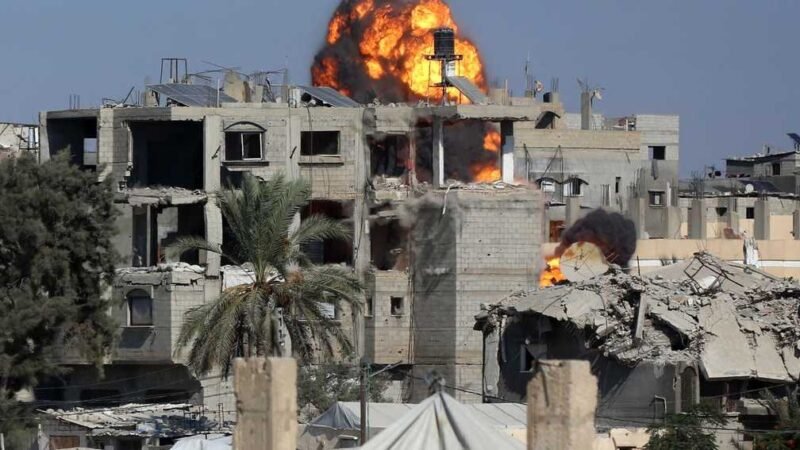
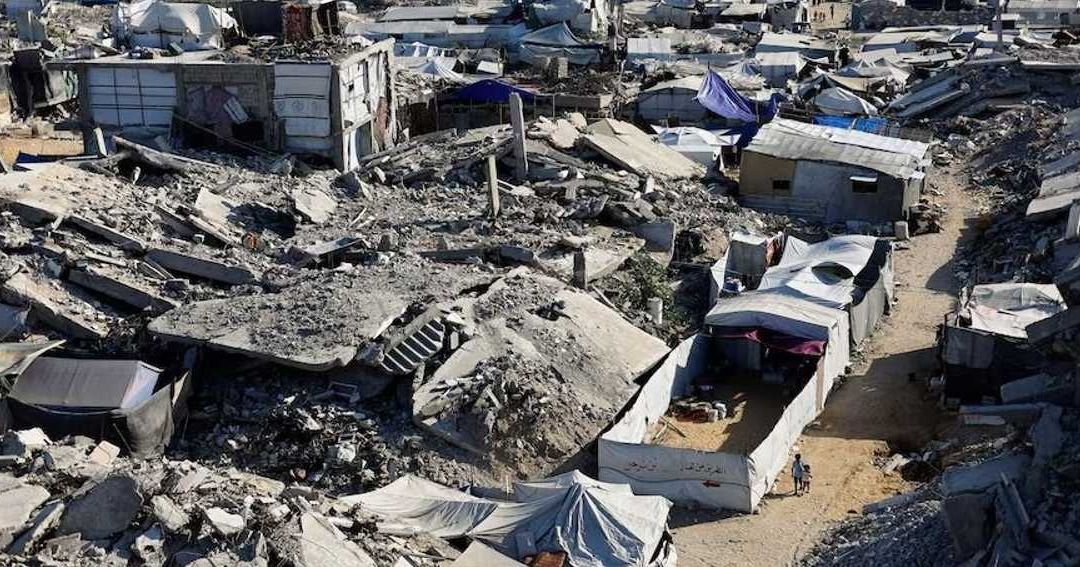
The findings underscore the profound impact of the ongoing conflict on the local food system, which has been largely decimated over the past several months. Agricultural land, once a primary source of sustenance and local economic activity for the population of Gaza, has faced near-total disruption. The data suggests that the vast majority of fields, orchards, and agricultural support structures have been rendered inaccessible or destroyed, severely limiting the ability of local producers to cultivate essential crops.
The implications of these findings are severe for food security in the coastal enclave. With the overwhelming majority of land out of service, the population’s reliance on humanitarian aid has become absolute. The loss of such a significant percentage of productive capacity represents a collapse of the agricultural sector, which historically provided fresh produce to local markets and supported the livelihoods of countless families.
Satellite imagery analysis conducted by international observers has frequently been used to quantify the physical toll of the conflict on critical infrastructure. In this instance, the FAO’s determination provides a stark quantitative measure of the decline in land utility. Beyond the direct loss of current harvests, the extensive damage to topsoil and agricultural infrastructure creates long-term obstacles to recovery, suggesting that even if hostilities were to cease immediately, the path to restoring even a fraction of the sector’s previous output would be fraught with immense technical and environmental challenges.
The report serves as an urgent indicator of the humanitarian crisis currently unfolding, highlighting that the disruption of local food production is not merely a temporary setback but a systemic erasure of the region’s primary means of self-reliance. As the available land area shrinks to a negligible percentage, the dependency on external supply chains for basic caloric requirements remains the primary concern for international organizations operating in the territory. This analysis reinforces international calls for the urgent protection of remaining civilian infrastructure and the need to address the deep-seated food insecurity currently faced by those residing within the Strip.