

Portugal Implements New Public Face-Covering Ban
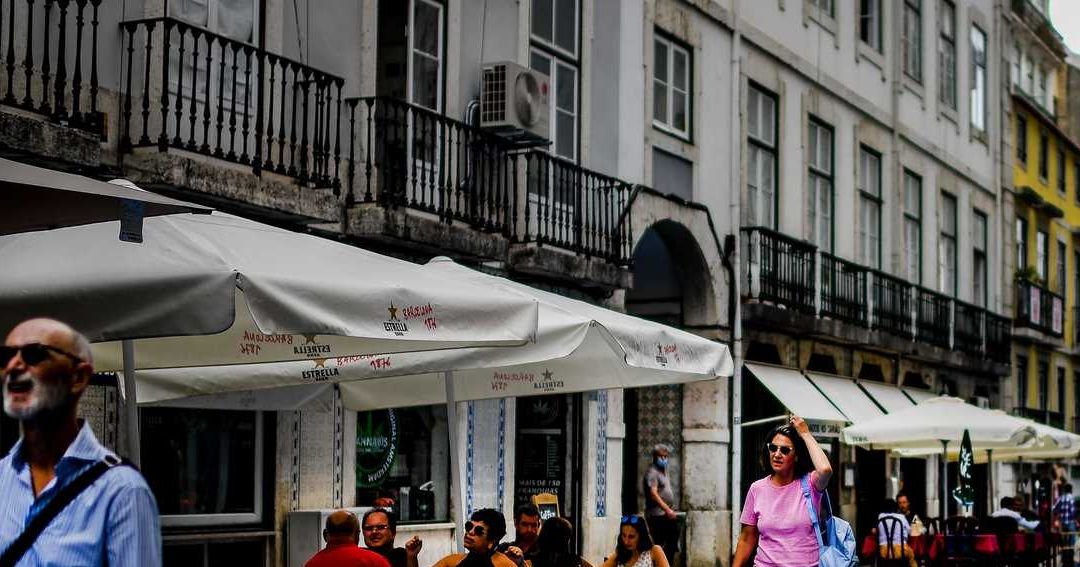
The Portuguese government has officially enacted a new law that prohibits the covering of the face in public spaces. The legislation, which received the final approval of the President, marks a significant shift in the country’s approach to public conduct and attire. The implementation of this policy follows sustained political pressure from right-wing factions within the nation, which have long advocated for stricter regulations regarding public appearance and cultural integration.
The new mandate applies to all individuals in public areas, requiring that faces remain unobstructed. While the law is framed in general terms, it has sparked immediate controversy and concern among civil rights advocates and minority groups. Many observers argue that the primary intent behind the legislation is to target Muslim women who wear the niqab or burqa. By effectively banning these forms of traditional dress in the public sphere, the policy is seen by critics as a restrictive measure that limits the religious freedoms and social participation of the Muslim community in Portugal.
The discourse surrounding the legislative process highlighted a sharp divide within the Portuguese political landscape. Right-wing parties argued that the ban is a necessary step to enhance public security and ensure that individuals are identifiable in social settings. They contended that such measures are essential for maintaining social order and promoting a singular national identity. Proponents of the bill have framed the discussion around secularism and the perceived need for uniformity in the public domain.
Conversely, human rights organizations and community leaders have condemned the law as a discriminatory instrument that alienates a specific segment of the population. They argue that the legislation disproportionately impacts Muslim women, effectively barring them from participating fully in public life, including accessing services, education, and employment. The implementation of this law in Portugal aligns with similar measures seen in other European nations, where debates over religious clothing and public expression have become frequent points of contention.
As the law comes into effect, the focus has shifted toward how it will be enforced by local authorities and what impact it will have on the daily lives of affected residents. There are concerns that the enforcement process could lead to increased social friction and the marginalization of those who choose to continue wearing face coverings for religious reasons. The move has prompted widespread discussion regarding the balance between national legislation, individual religious expression, and the integration of diverse cultural practices in contemporary European society.