

Sudan: Rights Groups Press for International War Crimes Investigation
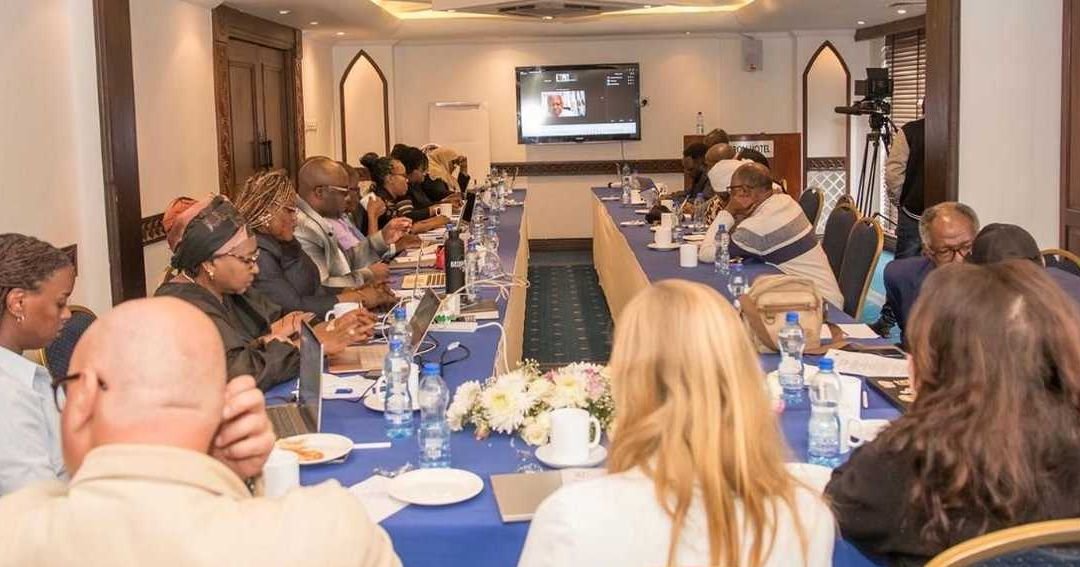
A coalition of dozens of human rights and civil society organizations has launched a coordinated international campaign demanding a robust expansion of investigations into the widespread atrocities committed during the ongoing conflict in Sudan. The groups are formally urging the United Nations Human Rights Council to renew the mandate of the Independent International Fact-Finding Mission for Sudan for an additional two-year term, citing the need for sustained legal scrutiny and accountability.
The appeal highlights the urgent necessity for the international community to move beyond monitoring and toward active evidentiary collection. The coalition is calling for the Human Rights Council to bolster the mission’s technical and investigative capabilities, specifically tasking it with the systematic gathering and secure preservation of evidence related to war crimes and crimes against humanity. By consolidating this documentation, advocates believe the international community can create a clear pathway for identifying and eventually prosecuting the individuals responsible for the violence that has devastated the country.
Since the outbreak of hostilities between the Sudanese Armed Forces and the Rapid Support Forces, civilians have been subjected to indiscriminate attacks, displacement, and severe violations of international humanitarian law. The human rights groups emphasize that the conflict has reached a critical juncture, where the lack of accountability threatens to prolong the suffering of the Sudanese people. The proposed extension of the mission’s mandate is framed as a crucial step in maintaining international pressure on the warring parties, ensuring that documentation of their actions continues during a period of high instability.
In addition to focusing on the primary belligerents, the coalition is calling for an expanded investigative scope to address the role of external actors. The organizations argue that the conflict is being exacerbated and sustained by international parties that provide political, financial, or material support to the warring sides. By investigating these external links, the mission would be able to provide a more comprehensive picture of the war’s mechanics, potentially uncovering the chains of influence that sustain the fighting.
As the Human Rights Council considers the renewal of the mission’s mandate, the involvement of these civil society groups underscores a growing global consensus on the need to address impunity in Sudan. The call for an independent, evidence-based approach is seen as a vital mechanism to protect civilians and serve as a deterrent against further abuses. For the international community, the request represents a test of its willingness to uphold human rights mandates in the face of complex, multi-sided conflicts. The outcome of these deliberations is expected to have significant implications for the future of justice and peace efforts in Sudan, setting a precedent for how international oversight bodies engage with crises where both internal command structures and foreign interference play decisive roles in the continuation of conflict.