

Syrian Foreign Minister Outlines Policy on Iran and Israel
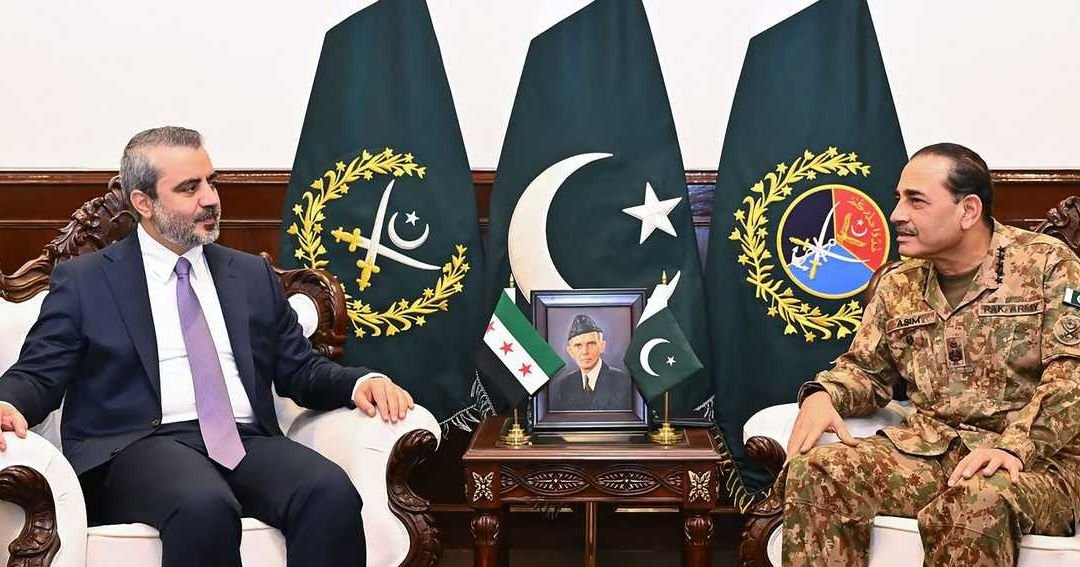
Syrian Foreign Minister Assad al-Shibani has provided a clear update on the current trajectory of his nation’s foreign policy, specifically addressing the prospects for future diplomatic relations with regional neighbors. In a statement outlining the current geopolitical stance of the Syrian government, al-Shibani addressed the two distinct paths currently defining the country’s regional engagement strategy.
Regarding the possibility of diplomatic rapprochement with Israel, al-Shibani was unequivocal. He stated that his administration currently rules out the potential for reaching any formal agreement with Israel. This rejection underscores the enduring and complex nature of the state of tension that has defined the relationship between Damascus and Tel Aviv for decades. The minister’s comments reflect a firm commitment to the established policy of non-engagement, suggesting that there are no foreseeable diplomatic pathways toward normalization under the current regional landscape.
In stark contrast, the foreign minister provided a different outlook concerning Syria’s relationship with Tehran. Al-Shibani confirmed that his government is engaged in active discussions regarding potential contacts with Iran. The relationship between Syria and Iran remains a cornerstone of the regional security architecture, with both nations maintaining a long-standing strategic partnership. The prospect of further diplomatic coordination reflects the deepening of these bilateral ties and points to a continued focus on maintaining political, military, and economic alignment between the two allies.
These statements come at a time when the broader Middle East is navigating a shifting series of alliances and strategic realignments. By explicitly distancing Syria from any diplomatic opening toward Israel while simultaneously affirming a commitment to the Iranian partnership, the Syrian government is reinforcing its current regional positioning. For international observers and regional stakeholders, the Minister’s remarks serve as a definitive baseline for understanding Syria’s diplomatic priorities in the immediate term. The administration’s focus remains firmly fixed on strengthening existing core alliances while resisting efforts toward regional integration that involve states traditionally viewed as adversaries by the Syrian leadership.
As the region continues to experience significant diplomatic flux, the clarity provided by the foreign minister suggests that Syrian foreign policy will remain focused on existing strategic imperatives. The stated position provides little room for ambiguity, highlighting that while the Syrian government is open to intensifying cooperation with established partners like Iran, there is no current political appetite for exploring diplomatic avenues with Israel. This framework suggests that the status quo in Syrian foreign relations will persist for the foreseeable future, as the nation balances its security requirements against its long-standing geopolitical loyalties. The focus on Tehran reinforces a policy path that prioritizes continuity with regional allies over potential changes to the existing diplomatic order.