


A Life Devoted to Petra: British Traveler’s Remarkable Connection
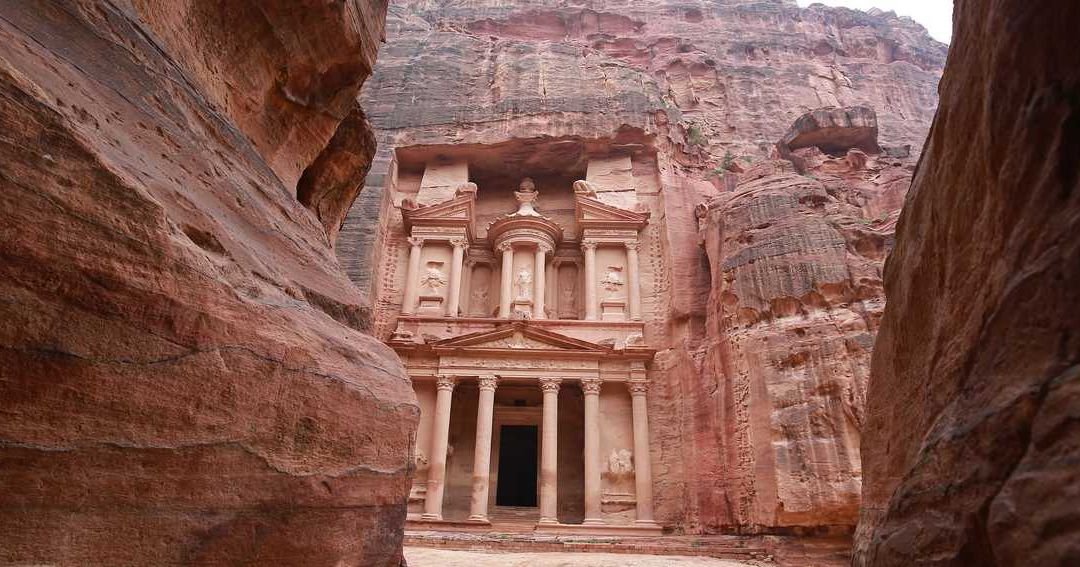
The global archaeological community and the tourism sector in Jordan are mourning the loss of a devoted admirer of the Kingdom’s most iconic landmark. A British national, identified as John, recently passed away, concluding a lifelong passion for the ancient Nabataean city of Petra that saw him return to the historic site no fewer than 75 times.
For many travelers, Petra serves as a quintessential bucket-list destination—a place to photograph the towering façade of Al-Khazneh and move on. For John, however, the site was far more than a fleeting travel waypoint or an archaeological curiosity. His frequent and repetitive visits underscored a profound, enduring relationship with the landscape, the heritage, and the spirit of the site located in southern Jordan.
Local observers and tourism officials have noted that such deep personal connections reflect the unique pull of Jordan’s cultural heritage on the international stage. Petra, a UNESCO World Heritage site and one of the New Seven Wonders of the World, has long been a focal point for global interest, but rarely does it command such a lifelong commitment from a single visitor. His repeated journeys turned him into a familiar face among local guides and residents, transforming his travel habit into a storied chapter of the site’s modern history.
While details regarding his personal life remain private, the impact of his dedication serves as a testament to the emotional and intellectual resonance of the Rose City. In an era where tourism is often characterized by rapid, superficial engagements with heritage sites, John’s pattern of returning—75 times over the course of his life—highlights the profound impact that Jordanian history and geography can have on the global visitor. His story is being remembered as a tribute to the timeless allure of Petra, which continues to inspire deep affection from travelers across the world.
As the site continues to evolve as both an archaeological treasure and a cornerstone of Jordan’s national identity, stories such as John’s underscore the significance of sustained tourism and the human connections fostered by the Kingdom’s cultural landmarks. His legacy serves as a quiet reminder of the power of place and the enduring legacy of Jordan’s historical heritage in the hearts of those who venture to experience it time and again.