

Iraq’s Maysan Province Threatens Civil Disobedience Over Border Closure
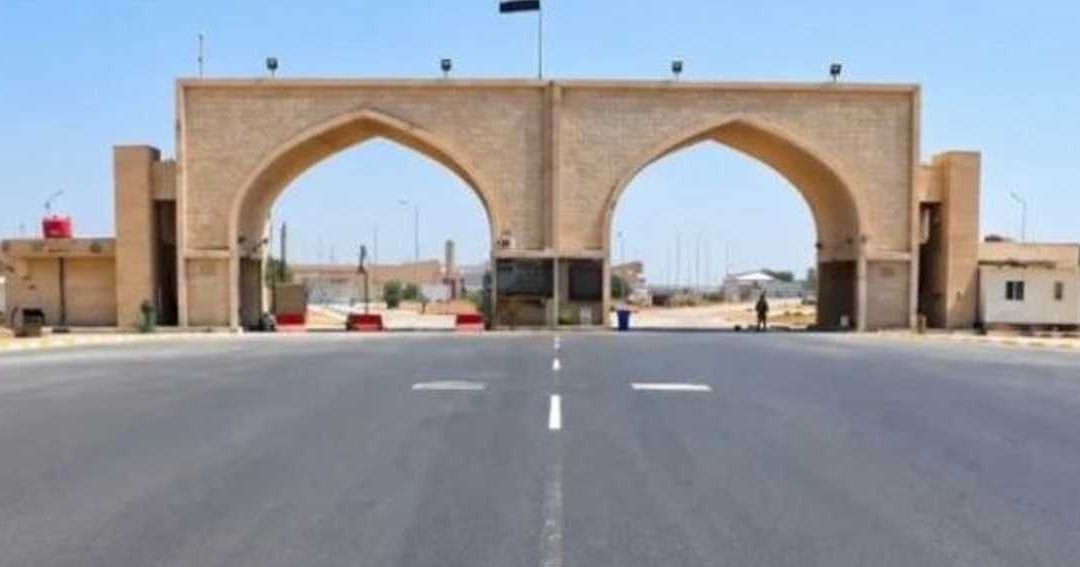
The head of the Maysan Provincial Council, Mustafa Adeer al-Muhammadawi, has issued an ultimatum to the Iraqi federal government, demanding the immediate reopening of the Sheeb border crossing with Iran. Al-Muhammadawi warned that failure to comply with this demand by next Thursday would result in widespread civil disobedience and the blocking of major transit routes within the province.
The Sheeb border crossing serves as a vital artery for trade and movement between Iraq and Iran, playing a significant role in the local economy of Maysan. The provincial leadership’s threat reflects growing frustrations over the continued closure of the facility and the subsequent impact on regional commerce and cross-border relations. By setting a specific deadline, the local authorities are attempting to force a policy shift from Baghdad regarding the management and reopening of the transit point.
In his statement, al-Muhammadawi emphasized that the provincial council is prepared to escalate the situation if the federal government does not address their concerns within the stipulated timeframe. The threat of civil disobedience and the obstruction of roads represent a significant challenge to the central government’s control over provincial infrastructure and border policy. Such actions, if carried out, would likely disrupt both local travel and commercial logistics that rely on this major crossing to facilitate the flow of goods between the two neighboring countries.
The standoff underscores the ongoing tensions regarding the administration of border crossings between Iraqi provinces and their counterparts in neighboring nations. While the federal government maintains authority over national security and border management, local provincial councils in Iraq often assert their own interests, particularly when economic stability and regional development are at stake. The situation in Maysan highlights the delicate balance of power between Baghdad and local authorities when regional economic interests conflict with central directives.
As the Thursday deadline approaches, all eyes remain on the dialogue between the provincial administration and the central government. The potential for disruption at the border crossing has raised concerns among local businesses and commuters who depend on the facility. The provincial council’s move serves as a clear signal of the growing pressure on federal officials to prioritize the resumption of operations at the site. The outcome of this dispute will have direct implications for the stability of trade and administrative governance in the border region of southern Iraq.