UN Reports Escalating Drone Warfare Casualties in Sudan
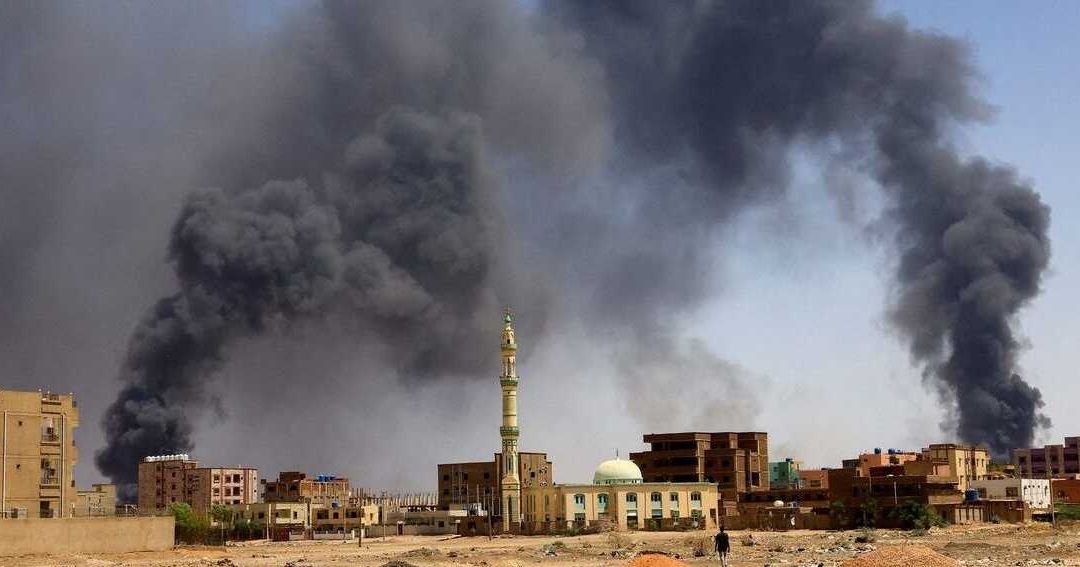
The United Nations High Commissioner for Human Rights has issued a stark warning regarding the deteriorating security situation in Sudan, reporting a significant surge in civilian casualties directly attributed to the expanded use of drone technology in the ongoing conflict. According to the latest findings released on Tuesday, the office has verified the deaths of at least 2,230 civilians since the beginning of this year, a figure that underscores the severe toll the war is taking on the Sudanese population.
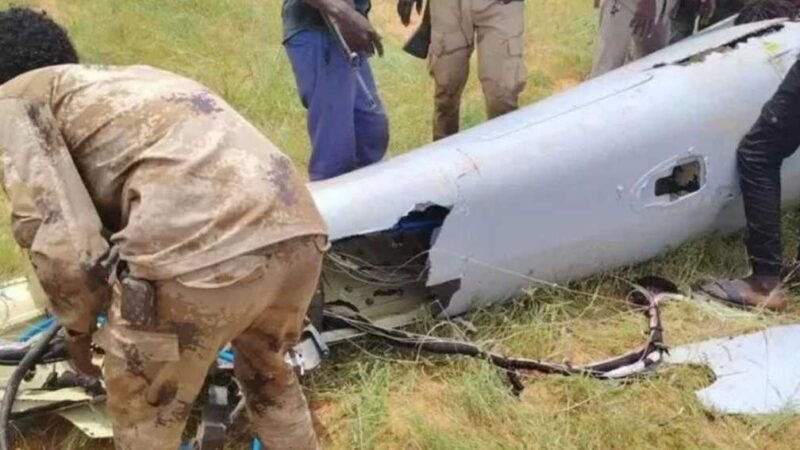
Of particular concern to the UN is the tactical shift toward the increased reliance on unmanned aerial vehicles (UAVs). The data indicates that more than 1,630 of the recorded fatalities were the direct result of drone strikes. These operations have increasingly targeted densely populated areas, raising alarms among international observers regarding the lack of distinction between combatants and non-combatants during these military engagements. The UN body has cautioned that these figures represent only the deaths that have been officially verified and documented, noting that the actual number of civilian casualties is likely significantly higher given the difficulties in accessing conflict zones and the limitations on reporting mechanisms across the war-torn country.
The widespread use of drone attacks adds a new, lethal dimension to the broader conflict in Sudan, which has already displaced millions and triggered one of the world’s most severe humanitarian crises. The precision and reach of these aerial systems have extended the geographic scope of the violence, making it increasingly difficult for civilians to find safety. The intensification of this type of warfare complicates efforts by humanitarian organizations to deliver life-saving aid, as the security environment remains volatile and unpredictable.
International humanitarian law mandates the protection of civilians in times of armed conflict, including the requirement to take all feasible precautions to avoid, or in any event to minimize, incidental loss of civilian life, injury to civilians, and damage to civilian objects. The high number of deaths linked specifically to drone usage suggests a pattern of disregard for these principles, prompting calls for greater accountability and a cessation of strikes in populated areas.
As the war continues to grind on without a clear political resolution, the civilian population remains the primary victim of the shifting military tactics. The UN’s report serves as a somber reflection of the reality on the ground, where the advancement of aerial technology is being leveraged at a devastating human cost. While the conflict remains rooted in complex internal power dynamics, the humanitarian impact of such technological escalation is felt acutely by communities across Sudan, leaving many trapped between frontlines and under constant threat from the skies. The international community continues to face the challenge of addressing these violations while simultaneously striving to facilitate a diplomatic pathway to end the hostilities that have plagued the nation.