

Former US Defense Secretary Leon Panetta Warns of Prolonged Iran Conflict
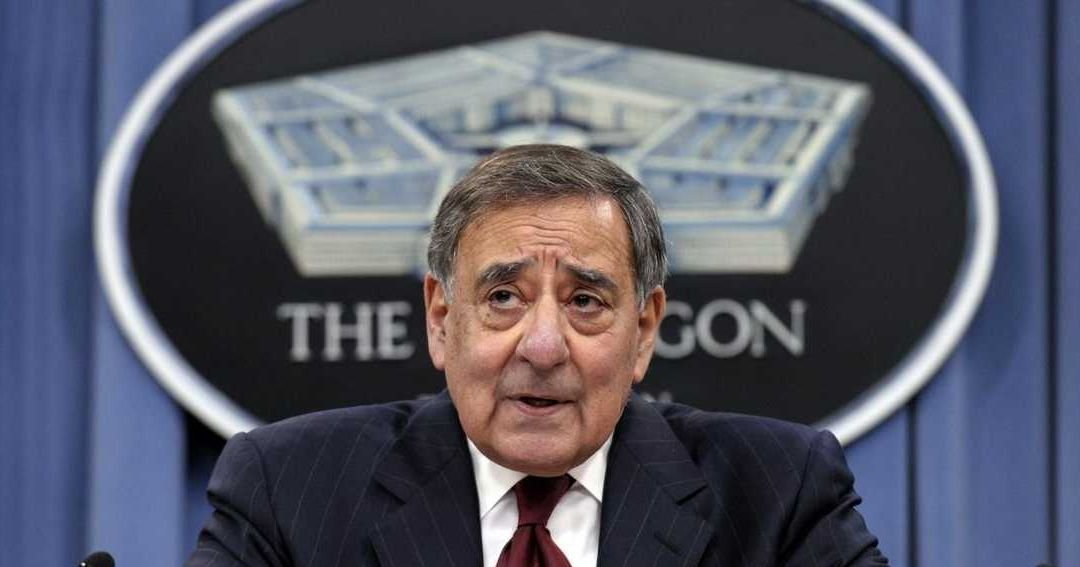
Former United States Secretary of Defense Leon Panetta has issued a stark warning regarding the potential trajectory of a military confrontation with Iran. In recent assessments, the former Pentagon chief cautioned that a conflict involving the Islamic Republic could be far more protracted than initially anticipated, suggesting that such hostilities could endure for at least six months.
Panetta, who served as Secretary of Defense under the Obama administration and previously held roles as Director of the Central Intelligence Agency and White House Chief of Staff, highlighted the complexities inherent in any military engagement with Tehran. His analysis focuses on the broader strategic implications of a sustained conflict in the region, underscoring the potential for a long-term destabilizing effect on the Middle East.
The warning comes amid heightened regional tensions and ongoing discussions regarding the security architecture of the Middle East. Panetta’s assessment emphasizes that military actions involving Iran would likely not result in a short-term resolution, but rather evolve into a significant, multi-month campaign with far-reaching consequences for regional stability and global security interests.
The prospect of a six-month duration for such a conflict raises critical questions regarding military readiness, regional diplomatic alliances, and the potential impact on international maritime security, energy markets, and existing geopolitical alignments. Panetta’s comments serve as a strategic outlook on how a major power confrontation could unfold, noting that the logistical and tactical challenges of engagement with a state actor like Iran present unique hurdles for military planners.
While the warning remains a strategic assessment of a potential scenario, it underscores the gravity with which high-level former US officials view the current security environment surrounding Iran. The potential for a six-month conflict timeline suggests a scenario where diplomatic efforts would be tested by the realities of a prolonged military stalemate or ongoing kinetic activity. As observers continue to monitor developments, the focus remains on whether diplomatic channels can mitigate the risks of such a scenario materializing. Panetta’s insights highlight the significant strategic risks associated with regional escalation, reinforcing the need for careful consideration of the long-term repercussions for Middle Eastern security and the wider international community.