

Lebanon Standoff: Political Divisions Threaten Security Stability
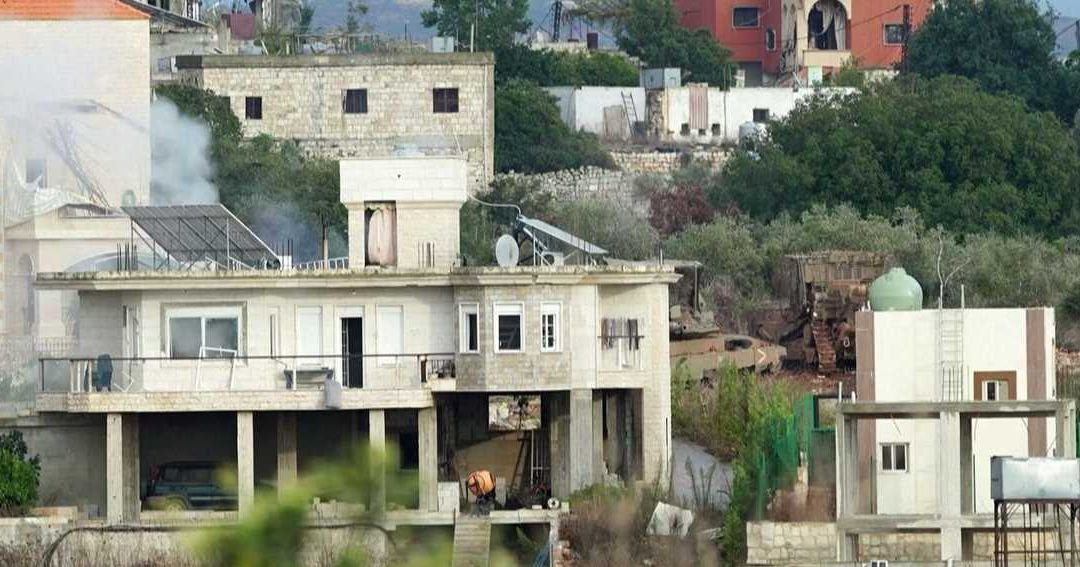
Lebanon faces an increasingly precarious security outlook as internal political divisions intersect with the complexities of ongoing diplomatic negotiations. Military and strategic analyst Khaled Hamade has issued a stark warning regarding the country’s current trajectory, noting that the persistence of domestic political deadlock, coupled with a failure to meet stipulated obligations, could create a volatile environment on the ground.
At the center of these concerns is the intersection of high-level diplomatic efforts and local security realities. While negotiations—notably those involving discussions held in Tampa—aim to address the underlying tensions between Lebanon and Israel, the process is being hampered by significant friction. Central to this impasse is the ongoing cycle of accusations between opposing forces, particularly concerning the practical implementation of security mandates and mission objectives.
Analysts observe that the lack of internal consensus in Lebanon is exacerbating the difficulty of achieving any durable resolution to the border-related security challenges. As the political class remains deeply divided, the institutional capacity to enforce or adhere to international security commitments appears to be eroding. This paralysis at the government level leaves a power vacuum that is often filled by regional security fluctuations and mutual distrust between the military actors involved in the standoff.
The strategic risk highlighted by experts is that these conditions are not merely diplomatic failures but represent a genuine threat to field stability. When political commitments are left unfulfilled or are subject to conflicting interpretations by various stakeholders, the risk of miscalculation or an unintended escalation increases significantly. The current atmosphere is described as one where the lack of a unified national position makes the country more susceptible to the broader volatility characterizing the regional landscape.
Furthermore, the rhetoric surrounding the negotiation process reflects a growing frustration among those monitoring the security sector. With military channels currently mired in a cycle of blame, the path toward a sustainable, long-term security framework appears increasingly obstructed. Observers note that without a concerted effort to bridge the political divide, the prospects for de-escalation remain dim, potentially leaving the southern borders and the wider security apparatus vulnerable to rapid deterioration. As the situation continues to evolve, the primary challenge remains reconciling the technical requirements of security agreements with the complex, often fractured, political realities of the Lebanese state.