

Gaza Mother Identifies Family Members After Year Under Rubble
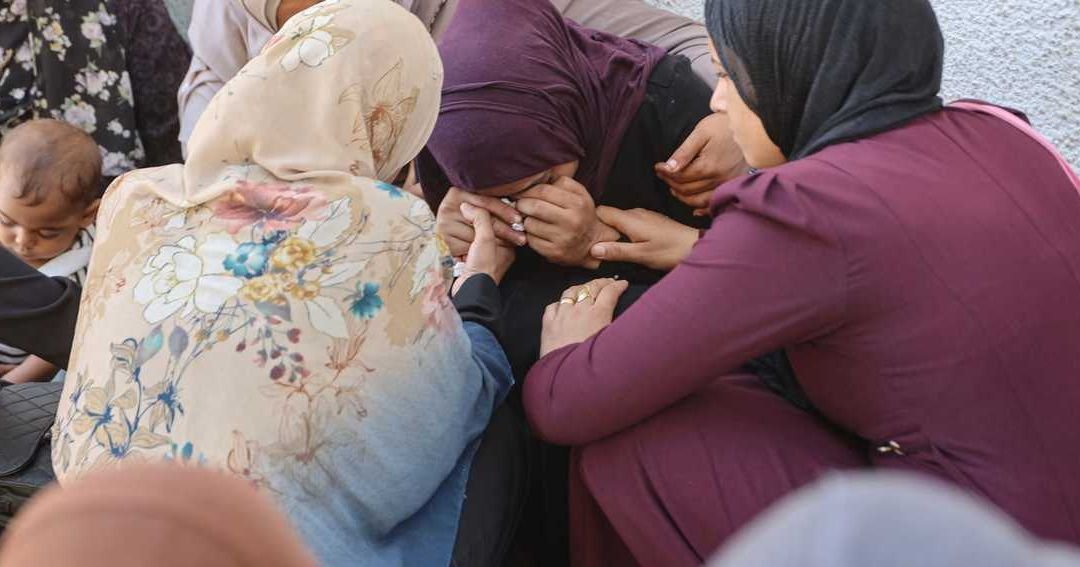
For Mariam al-Balawi, the long and agonizing wait for closure has reached a somber conclusion. After a year of living with the uncertainty of her family’s fate, she has finally recovered the remains of her husband and children from the wreckage of their former family home in the Zeitoun neighborhood of Gaza City.
The family home, which was destroyed during the ongoing conflict, left the mother of the household facing a reality that many in the Gaza Strip have been forced to navigate over the past year. Following the collapse of the structure, the family remained trapped beneath the debris for twelve months as the intensity of the situation made search and recovery operations nearly impossible to conduct.
When the recovery finally took place, the process of identifying the victims did not require modern forensic intervention or DNA testing. According to al-Balawi, the remnants of the clothing worn by her husband and children on their final morning together served as the harrowing, definitive proof she needed to identify them. The fragments of fabric provided a visceral, heartbreaking connection to the last moment the family was intact before the destruction of their residence.
This incident highlights the profound humanitarian toll of the conflict in Gaza, where the destruction of civilian infrastructure has left many families in a state of suspended grief. The inability to recover bodies from under the rubble has been a recurring issue for countless families across the territory, often preventing them from holding traditional burials and beginning the mourning process.
The Zeitoun neighborhood, located in eastern Gaza City, has been the site of heavy military activity and infrastructure damage throughout the past year. The case of the al-Balawi family serves as a testament to the immense personal losses sustained by the local population. As families return to what remains of their homes, they are often confronted with the grim reality of discovering loved ones who were lost during the initial periods of bombardment and the subsequent collapse of residential buildings.
The recovery of the remains allows for a definitive end to the uncertainty that has defined the last year for the surviving mother. However, the emotional weight of identifying family members through the remnants of their daily lives reflects the broader tragedy being endured by civilians in the region. The event underscores the enduring impact of the crisis on Gaza’s social fabric, as individuals continue to search for closure amidst the widespread devastation that has reshaped the landscape of the enclave over the past twelve months.