

Escalating Conflict in Yemen Drives Surge in Displacement
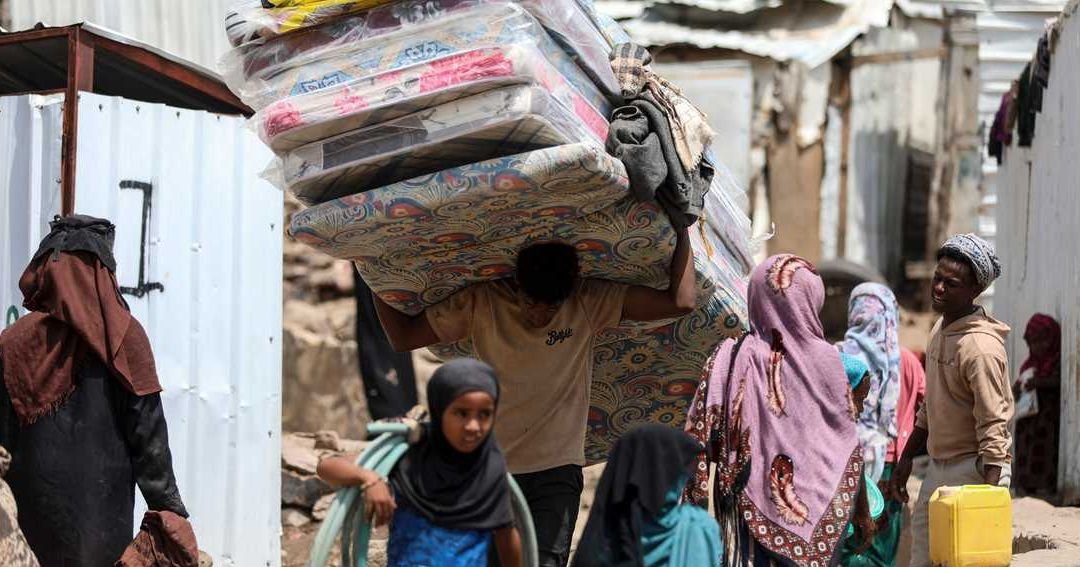
The humanitarian crisis in Yemen has reached a critical juncture as renewed military hostilities drive a significant surge in population displacement across the country. According to the latest assessments from the United Nations, at least 76,000 individuals have been forced to flee their homes since July, marking a sharp increase in the scale of human movement within the war-torn nation.
This spike in displacement follows a period of intensifying conflict between Houthi rebels and internationally recognized government forces. The escalation in frontline activity has created volatile security conditions, leaving thousands of families with no choice but to abandon their residences in search of safety. The rapid acceleration of this trend underscores the fragile nature of the security situation on the ground and the limited protections available for civilian populations in conflict-prone areas.
International observers have highlighted that the current wave of displacement is directly correlated with the breakdown of stability in specific provinces where skirmishes have become more frequent. As combat operations expand, infrastructure and essential services are increasingly disrupted, further complicating the ability of humanitarian organizations to deliver aid to those who have been forced to relocate. The displacement is not merely a consequence of kinetic warfare but is also exacerbated by the deteriorating environment for basic survival, including access to food, shelter, and healthcare.
For many displaced families, the situation is compounded by the loss of livelihoods and the disruption of local markets, which remain heavily reliant on a fragile humanitarian aid pipeline. The sheer number of people uprooted in such a short period—roughly 76,000 in less than four months—places an immense burden on host communities and existing refugee centers, many of which are already operating at or beyond capacity.
The United Nations has consistently warned that the ongoing cycle of violence prevents a durable solution to the country’s humanitarian suffering. With combat showing little sign of abating, aid agencies are calling for immediate humanitarian access and a cessation of hostilities to prevent further mass displacement. The current trend marks a concerning deviation from previous periods of relative stagnation, suggesting that the strategic objectives of both the Houthi forces and the government military remain firmly focused on territorial control, regardless of the humanitarian toll on the civilian population.
As the winter season approaches, the need for emergency relief, including clean water, sanitary facilities, and temporary shelter, is expected to grow. The current data reflects only those who have been recorded by monitoring agencies, and it is likely that the actual number of individuals displaced by the recent fighting is higher. The international community continues to monitor these developments, emphasizing that the intensification of the conflict is the primary driver of this renewed humanitarian emergency.