

Iran Rejects Nuclear Compromise and Threatens Continued Strait Closure
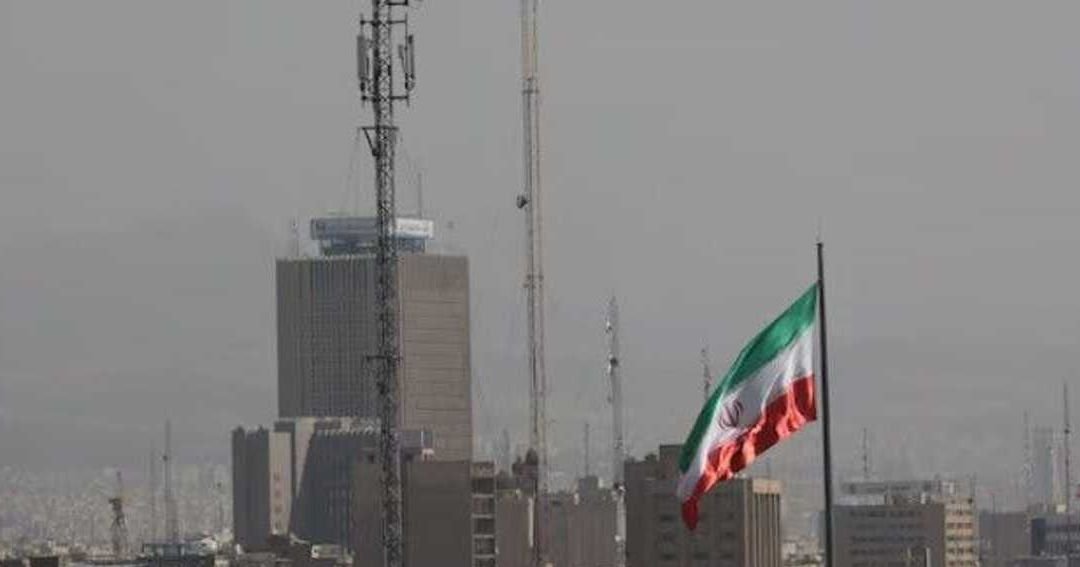
A high-ranking Iranian official stated on Friday that Tehran will not show any flexibility regarding its nuclear program, signaling a hardening of its position on the global stage. The official emphasized that the country remains steadfast in its current policies, rejecting calls for concessions in ongoing negotiations over its nuclear capabilities.
In addition to the firm stance on its nuclear activities, the official addressed the status of the Strait of Hormuz, a critical maritime chokepoint for global energy supplies. According to the statements provided, the waterway will remain closed to international traffic until the specific conditions set by Iran are fully met. This declaration introduces significant uncertainty for regional and global energy markets, as the Strait of Hormuz serves as a vital artery for a substantial portion of the world’s oil and liquefied natural gas exports.
Tehran’s refusal to adjust its nuclear trajectory comes amidst long-standing international pressure to curtail its atomic program. The Iranian leadership maintains that the development of its energy and technology infrastructure is a sovereign right. By linking the reopening of the Strait of Hormuz to the satisfaction of its conditions, Iran is employing its strategic geographic leverage as a primary tool of statecraft. This move is likely to further heighten tensions between Iran and various regional stakeholders, as well as the broader international community concerned with freedom of navigation and the security of energy transit routes in the Persian Gulf.
As the situation develops, the focus remains on the specific requirements Tehran has established. The Iranian leadership has indicated that the current impasse will persist until these requirements are addressed, effectively tying the stability of global energy transit to the resolution of the diplomatic and geopolitical standoff over the country’s nuclear ambitions. There has been no indication from the Iranian side that they are willing to engage in further dialogue that might alter this position. The international community, particularly nations that rely heavily on the energy flows passing through the Strait, will continue to monitor these developments closely to assess the potential impact on regional security and global energy markets. The integration of nuclear policy and maritime transit control highlights the high stakes currently involved in Iran’s approach to its foreign and domestic policy objectives.