

80 Nations at UN Demand Reopening of Strait of Hormuz
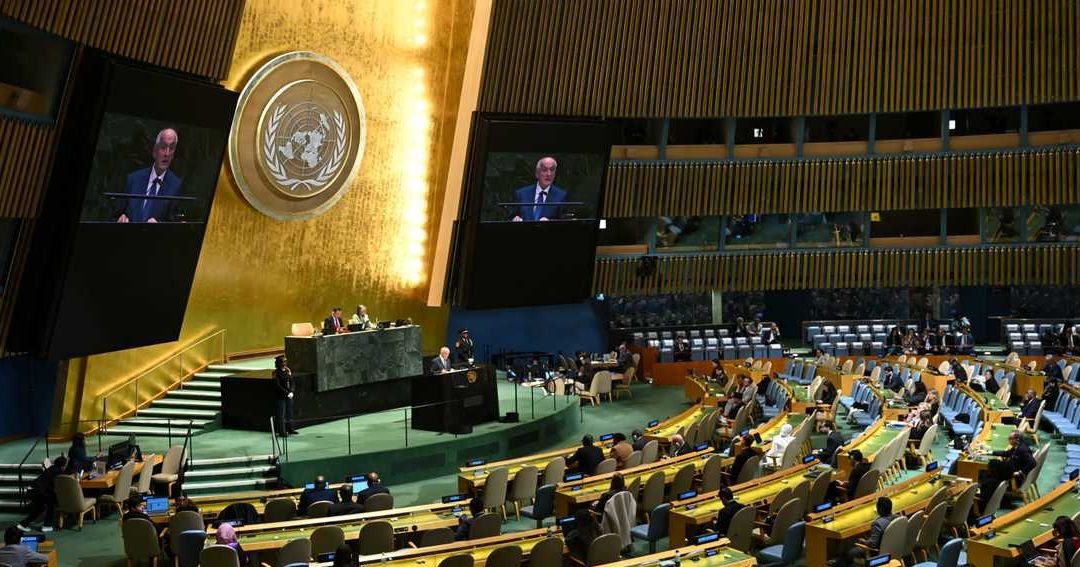
A coalition of approximately 80 nations convened at the United Nations on Thursday to demand the immediate reopening of the Strait of Hormuz, issuing a stern rebuke against actions that have severely disrupted international maritime commerce and global energy security. The collective appeal highlights mounting international frustration regarding the volatile situation in one of the world’s most critical maritime chokepoints.
In a formal expression of concern, the participating countries condemned recent patterns of aggression originating from Iran and its regional proxies, specifically identifying the Houthi movement as a central actor in the destabilization of the area. The coalition highlighted that the ongoing obstruction of the strait poses a direct threat to the stability of energy supplies, which remain heavily dependent on the free flow of tankers through this narrow waterway connecting the Persian Gulf to the Gulf of Oman and the wider Arabian Sea.
The Strait of Hormuz serves as a vital artery for the global economy, as a significant percentage of the world’s daily oil production transits through the narrow passage. Diplomatic representatives argued that the persistent interference by state and non-state actors in the region constitutes a violation of international norms, undermining the safety of international shipping and the security of regional energy infrastructure.
During the session, member states underscored that the disruption of trade routes is not merely a localized issue but a significant global economic concern. The demand for the immediate cessation of these activities reflects a unified call for the restoration of freedom of navigation in accordance with international maritime law. The signatories of the statement emphasized that the actions taken by Iran and the Houthi forces have created an untenable environment for commercial shipping, necessitating a robust and coordinated diplomatic response to ensure that essential energy commodities can move unimpeded.
This development marks a significant escalation in the diplomatic pressure being applied to Tehran and its affiliates regarding their maritime security activities. By engaging the broader international community at the United Nations, the coalition aims to reinforce the necessity of protecting critical transit points from political and military coercion. The appeal serves as both a warning to the actors involved and a request for increased international oversight to prevent further escalation that could jeopardize the global energy market and regional stability.
As the situation continues to evolve, the demand for the restoration of access to the Strait of Hormuz remains a primary focus for many of the nations involved, reflecting deep concerns regarding the intersection of regional security and international energy security interests. The consensus among the 80 nations emphasizes that the continued targeting of maritime passage is a threat that the global community is increasingly unwilling to tolerate, demanding immediate accountability and a return to the rule of law in regional waters.