

Houthi Militants Escalate Threats Against US and Yemen’s Marib
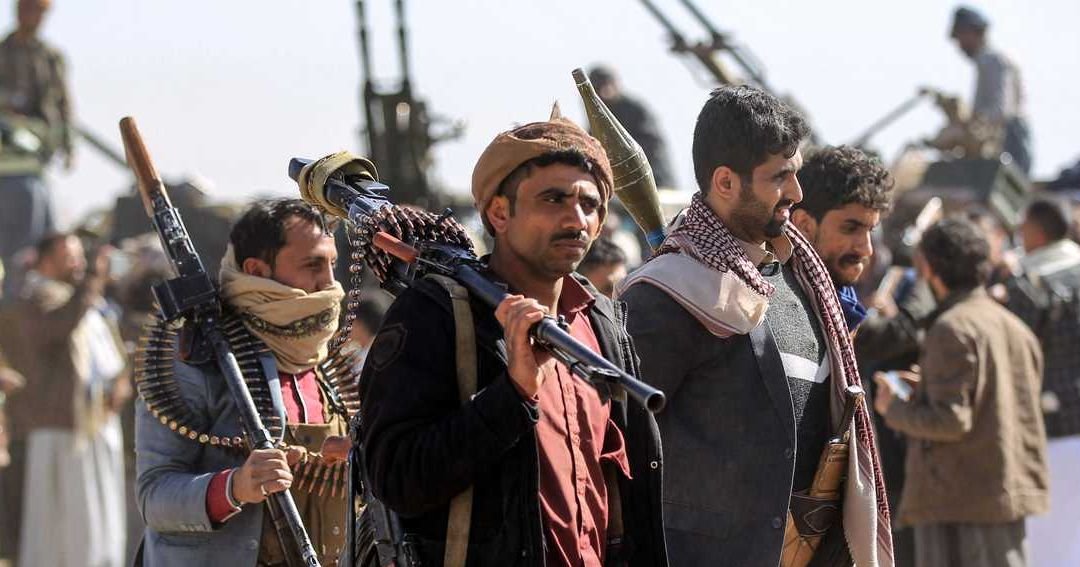
The Houthi movement has significantly ramped up its aggressive rhetoric, issuing dual warnings that target both international interests and domestic opponents in Yemen. In a recent statement, the group threatened to strike American interests within the region should Washington provide support to Saudi Arabia, framing such potential military assistance as a provocation that would justify a violent response.
The group explicitly designated the Bab al-Mandab Strait, a critical maritime chokepoint for global energy and trade, as a “red line.” By elevating their threats against this strategic corridor, the Houthis are signaling an intent to leverage the waterway as a pressure point in the broader regional conflict. This development underscores the group’s increasingly assertive posture as it attempts to shape the regional landscape through the threat of asymmetric warfare.
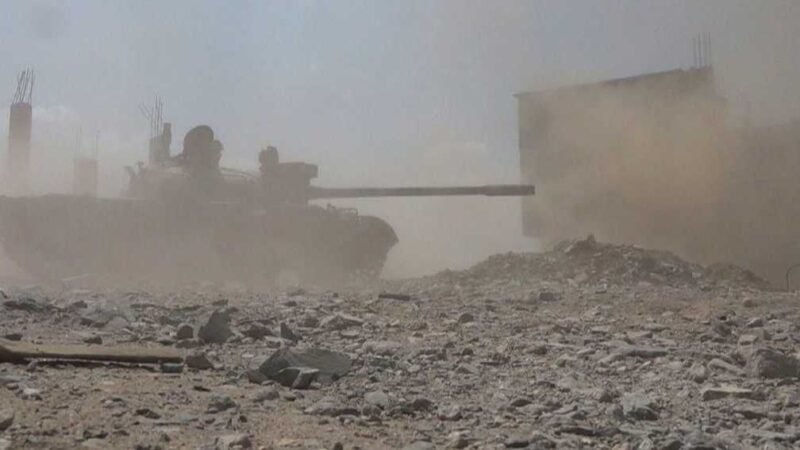
Simultaneously, the Houthi leadership has intensified its military pressure on the city of Marib, a vital stronghold currently held by the internationally recognized government. The group issued a blunt ultimatum to the city’s residents and leadership, demanding the surrender of Marib. The statement warned that any resistance to this demand would result in severe consequences, including further armed conflict and destruction in the area.
These warnings occur against a backdrop of the Houthis asserting that they operate as “one body” with Iran. By emphasizing this alignment, the group is highlighting the geopolitical backing they enjoy, suggesting a deepening coordination that complicates regional security efforts. The rhetoric underscores the perceived ideological and operational integration between the Houthis and their regional partners, which has long been a source of tension among the Gulf states and their Western allies.
The dual nature of these threats—targeting both the regional maritime security architecture and a key domestic objective—represents a significant escalation in the Yemeni conflict. By coupling warnings against the United States with a push for the control of Marib, the Houthis appear to be signaling a synchronized effort to improve their bargaining position. Analysts note that these developments pose a direct challenge to ongoing attempts to achieve a sustainable ceasefire in the country.
As the situation remains volatile, the international community continues to monitor the Houthi movement’s capabilities to act on these threats. The focus on the Bab al-Mandab Strait serves as a reminder of the fragility of maritime security in the region, while the ultimatum regarding Marib highlights the ongoing humanitarian and military risks posed by the continued push to consolidate territorial control. The current rhetoric marks a departure from earlier periods of relative restraint, indicating that the group is moving to leverage its regional partnerships to exert greater influence over the outcome of the conflict in Yemen.