

UAE Official Criticizes Gulf Response to Iranian Attacks
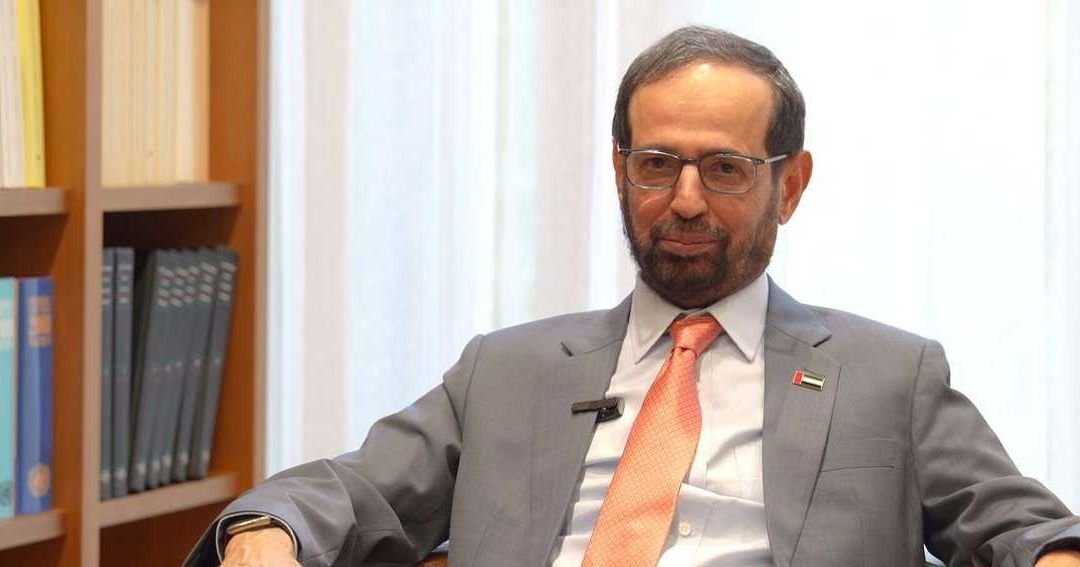
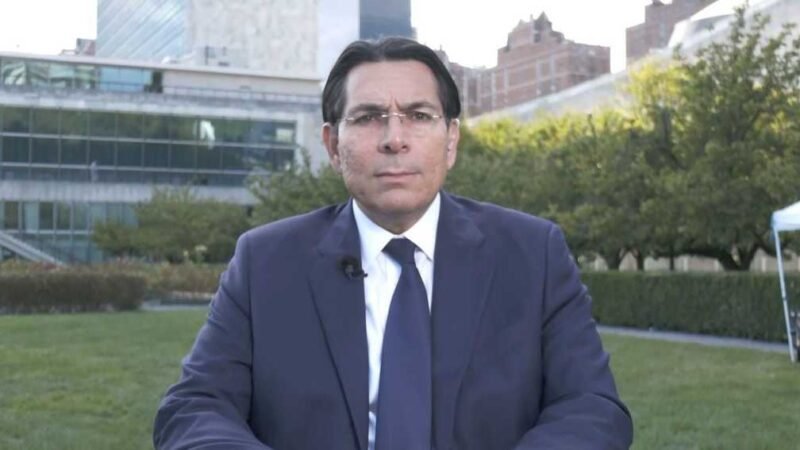
A senior Emirati official has publicly expressed dissatisfaction with the unified stance taken by the Gulf Cooperation Council (GCC) regarding recent Iranian military actions. Ali Rashid Al Nuaimi, who serves as the Chairman of the Defense, Interior, and Foreign Affairs Committee at the UAE’s Federal National Council, characterized the regional response as inadequate given the security climate and the desires of the Gulf populations.
In remarks addressing the current geopolitical landscape, Al Nuaimi highlighted the disconnect between the collective diplomatic measures adopted by the organization and the security expectations of its member states. The official’s comments reflect a growing call within certain sectors of the UAE leadership for a more robust and unified security framework capable of addressing the specific threats posed by regional volatility.
Al Nuaimi emphasized the urgent need for a serious, high-level dialogue among all member states of the Gulf Cooperation Council. The primary objective of such a consultative process, according to the official, should be the clear definition of responsibilities and the construction of a more resilient, integrated security architecture designed to safeguard the region against future escalations.
This call for a recalibration of Gulf security policy comes as states across the GCC grapple with the implications of regional instability and the evolving nature of threats involving Iran. By advocating for a more transparent and structured approach to burden-sharing and collective defense, Al Nuaimi’s statements signal a move to prioritize regional strategic autonomy.
Historically, the GCC has navigated complex regional dynamics through a balance of multilateral diplomacy and individual national interests. However, Al Nuaimi’s critique suggests that the status quo may no longer be viewed as sufficient by policymakers in the United Arab Emirates. The emphasis on ‘determining responsibilities’ suggests that the UAE is seeking a more formalized commitment from its neighbors to move beyond general statements of solidarity toward a more active and cohesive security posture.
As the region faces persistent challenges, the discourse surrounding the effectiveness of existing institutional mechanisms is expected to intensify. The call for a new security paradigm highlights the tension between established diplomatic traditions within the Gulf and the necessity of responding to shifting realities on the ground. The focus remains on whether these discussions will lead to a shift in how the GCC addresses regional security threats or if it will prompt a broader re-evaluation of its strategic partnerships and defensive capabilities in the coming months.