

Israeli Military Targets Hezbollah Sites in Southern Lebanon
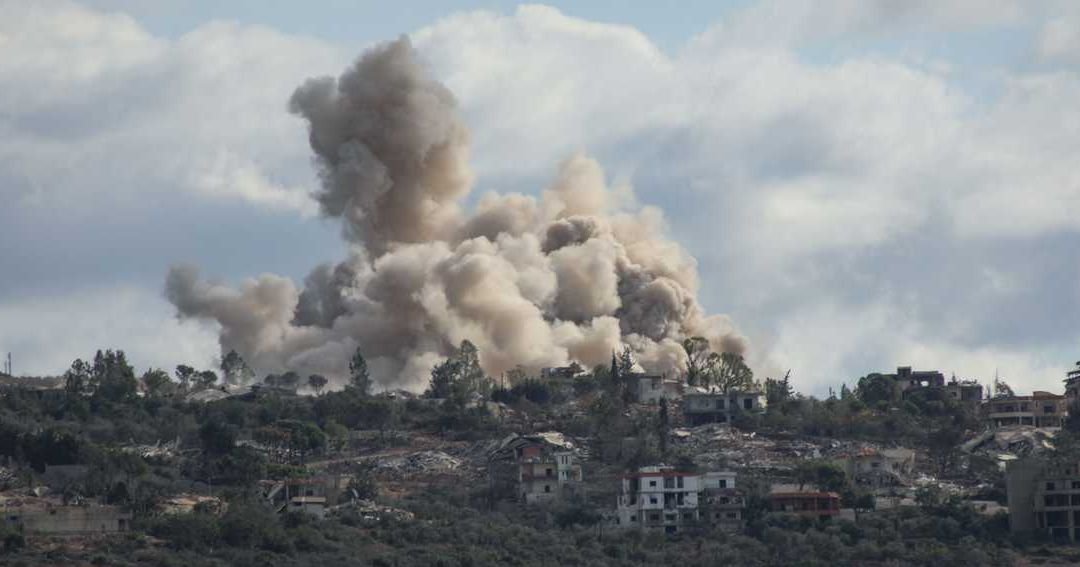
The Israeli military confirmed on Wednesday that it has launched a series of targeted strikes against Hezbollah infrastructure located in southern Lebanon. The military operation comes as a direct response to a drone attack that targeted Israeli territory earlier in the day.
According to official military statements, the escalation was triggered by the deployment of an explosive-laden unmanned aerial vehicle (UAV) from Lebanese soil. Following the incident, Israeli defense forces identified and engaged several targets linked to Hezbollah, the militant organization that maintains a significant presence along the border region between the two countries.
The exchange represents a continuation of the ongoing security tensions in the Levant. For months, the border area has witnessed frequent skirmishes, with both the Israeli military and Hezbollah exchanging fire across the UN-monitored Blue Line. The use of explosive drones has become a recurring tactical feature in these confrontations, further complicating the security situation in southern Lebanon and northern Israel.
Israeli defense officials indicated that the strikes were intended to degrade Hezbollah’s operational capabilities and serve as a deterrent against further aerial incursions. The military stated that its forces remain in a high state of readiness to address threats emanating from the northern border. There have been no immediate reports regarding casualties on either side of the border resulting from these specific strikes, although regional observers continue to monitor the area for signs of further escalation.
The situation remains volatile, with both sides maintaining a stance of mutual deterrence. Hezbollah, which holds a powerful military wing, has frequently cited its support for regional resistance fronts as a justification for its ongoing operations. Meanwhile, the Israeli government has consistently maintained that it will not tolerate attacks on its citizens or infrastructure and has pledged to restore security to the northern regions, which have seen significant displacement of civilians due to the persistent threat of cross-border fire.
International diplomatic efforts remain focused on preventing a full-scale conflict between the two parties, as the potential for miscalculation in such skirmishes remains high. Regional stakeholders and international intermediaries continue to call for restraint, emphasizing the risk that such localized engagements could lead to a broader regional confrontation. As of now, the tactical situation in southern Lebanon is being managed with localized strikes and defensive posturing, though the strategic outlook remains precarious for both parties involved in this protracted border dispute.