


Mangoes and Eye Health: Separating Fact from Common Belief
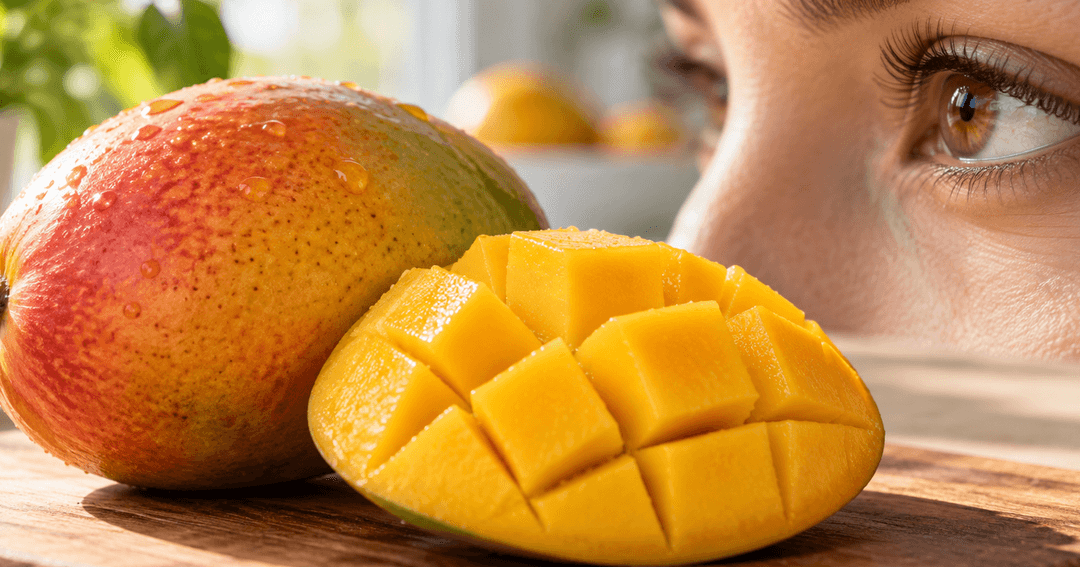
In recent times, the popularity of mangoes as a superfood has led to various claims regarding their health benefits. Among the most common assertions is the idea that the fruit, due to its high Vitamin A content, can improve eyesight or serve as a treatment for common vision impairments such as myopia (nearsightedness) or hyperopia (farsightedness). However, nutritionists and eye health specialists are increasingly clarifying the distinction between maintaining general ocular function and the clinical correction of refractive errors.
It is scientifically established that Vitamin A is an essential nutrient for the human body, playing a pivotal role in maintaining eye health. The eye requires this vitamin to facilitate the production of pigments in the retina, which allows for vision in low-light conditions. Furthermore, Vitamin A helps protect the surface of the eye, or the cornea, and is vital for maintaining the mucous membranes that keep the eyes lubricated.
Mangoes, which are widely cultivated and consumed across the Middle East and North Africa, are indeed an excellent source of beta-carotene, a precursor that the body converts into Vitamin A. Because of this, including the fruit in one’s regular diet is a positive nutritional choice for supporting overall eye health and preventing conditions associated with severe Vitamin A deficiency, such as xerophthalmia, which can lead to night blindness.
However, health experts caution against the common belief that increasing mango intake can rectify existing vision problems. Refractive errors like short-sightedness or long-sightedness are primarily caused by the shape of the eyeball or the curvature of the cornea, rather than nutritional deficits. Consequently, consuming mangoes—or any other source of Vitamin A—cannot alter the physical structure of the eye to improve visual acuity or eliminate the need for corrective lenses or surgical intervention.
For residents in the MENA region, where mangoes are a seasonal staple, the fruit remains a valuable component of a healthy, balanced diet. Nutritionists emphasize that while the fruit contributes to the physiological maintenance of the eyes, it should be viewed as a component of preventative care. Individuals experiencing changes in their vision are strongly advised to consult professional ophthalmologists for comprehensive eye examinations rather than relying on dietary modifications alone to address vision correction.
Ultimately, while the benefits of mangoes for ocular health are genuine, they are targeted toward maintaining existing functions and supporting tissue health. Public awareness regarding the limitations of such dietary interventions is essential to ensure that individuals seek appropriate medical guidance for persistent vision concerns.