

Iraqi Armed Factions Reject Disarmament Timeline
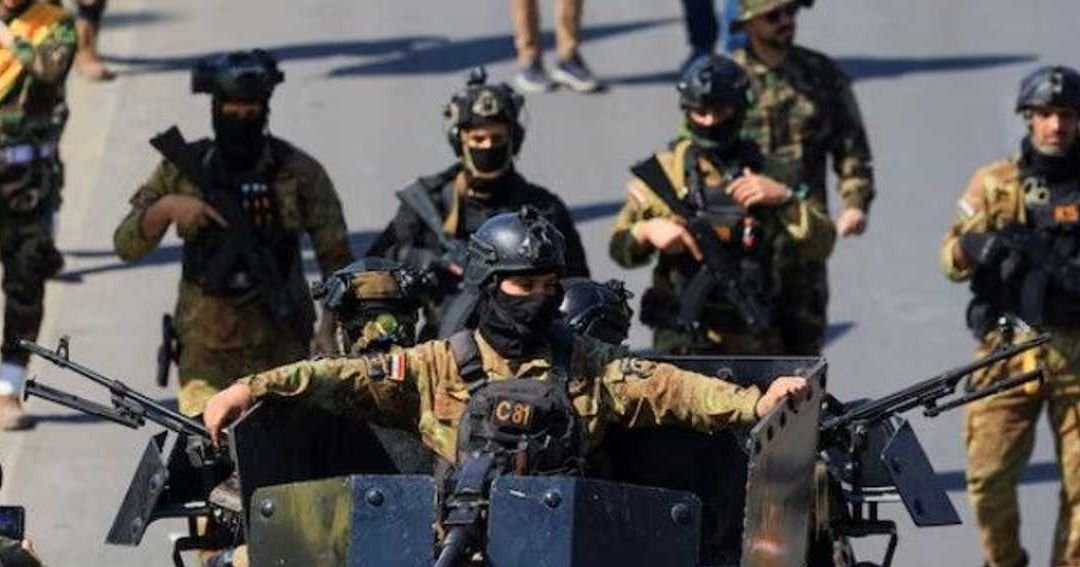
A group of Iraqi factions, widely known for their close ties to Iran, has formally declared that they do not consider themselves bound by any government-imposed deadlines or agreements concerning the surrender of their arms. The announcement, made on Wednesday, underscores a deepening impasse between the Iraqi state and various powerful armed groups operating within its borders.
The factions stated that they have not received any official response from the central government regarding the ongoing negotiations aimed at regulating their military capabilities. This lack of communication, they argue, effectively nullifies any proposed timelines or unilateral directives that the government might seek to enforce regarding the control of state and non-state weaponry.
The issue of regulating armed groups in Iraq has long been a significant challenge for successive administrations in Baghdad. While many of these factions were initially organized to combat security threats and were later brought under a formal state framework, their operational autonomy and deep-seated political and ideological affiliations with Tehran continue to complicate the state’s efforts to exert full control over its security apparatus.
Political analysts have noted that the factions’ refusal to commit to a disarmament timeline highlights the complex power dynamics currently at play in Iraq. The government, led by Prime Minister Mohammed Shia al-Sudani, faces the difficult task of balancing domestic security pressures, international obligations, and the influence of powerful factions that operate with varying degrees of independence from the state’s centralized chain of command.
By publicly distancing themselves from government-dictated deadlines, these factions are asserting their strategic independence. The statement from the groups suggests that any future progress on the issue of weapons regulation will require a negotiated settlement rather than administrative mandates, which they currently view as illegitimate or non-binding. The government has yet to issue a detailed public rebuttal to the factions’ position, leaving the future of national security reform in a state of uncertainty.
The persistence of non-state actors holding significant military assets remains a focal point of domestic discourse in Iraq, as the nation continues to navigate the challenges of consolidating its internal security. With neither side appearing to move toward a compromise, the standoff over the regulation of weapons continues to test the strength and authority of Iraq’s state institutions in their effort to manage the country’s multifaceted security landscape.