Lebanon Faces Existential Test After Hezbollah Explosives Seizure
The Lebanese government is currently navigating a critical existential test following the seizure of a significant cache of explosives by the Lebanese Army along the Dahr al-Baydar road. The discovery has pushed the country’s fragile political landscape to a breaking point, serving as a stark measure of the state’s ability to enforce its authority and conduct transparent investigations in a highly volatile climate.
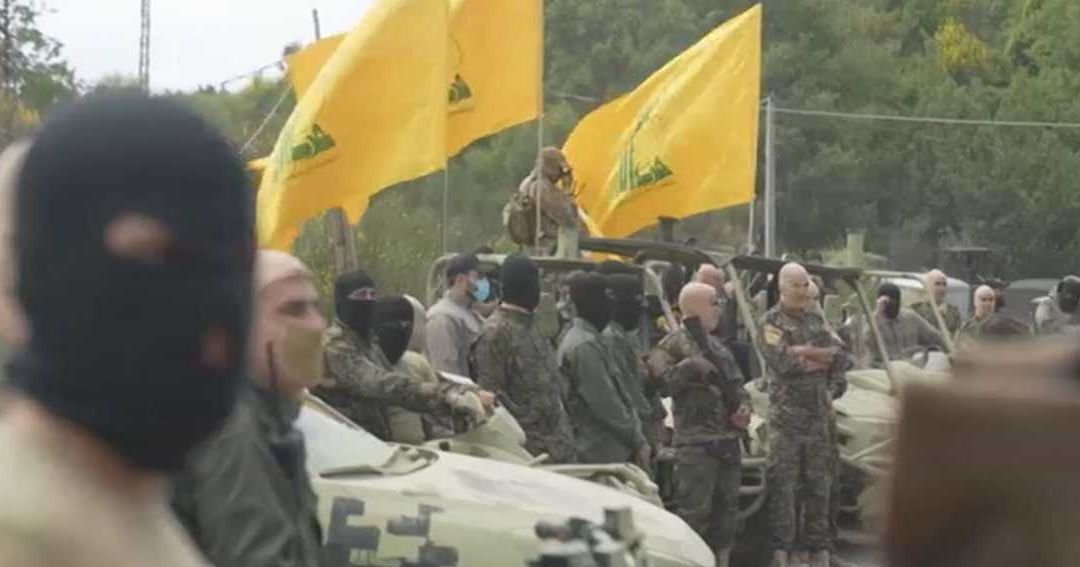
The incident has reignited the long-standing and intense national debate regarding the presence and influence of Hezbollah’s military apparatus. As the state grapples with the fallout of the seizure, the incident has exposed deep-seated fractures within the Lebanese cabinet, further complicating the government’s efforts to maintain internal security and national stability. Analysts suggest that the timing of the discovery is particularly sensitive, as it coincides with fears that regional actors, most notably Israel, could leverage the security breach as a justification to expand military operations within Lebanese territory.
The political discourse surrounding the discovery has become increasingly polarized. Political researcher Jean Fghali has warned of the grave consequences should the government demonstrate weakness or retreat in the face of this security challenge. Fghali’s warnings underscore the precarious nature of the state’s institutions, which are currently struggling to assert sovereignty while managing the influence of non-state actors. Conversely, political researcher Radwan Aqil has urged a measured approach, advocating for a focus on the ongoing judicial and security investigations to uncover the details behind the shipment. The tension between these two perspectives illustrates the complex path ahead for the Lebanese judiciary and security services as they attempt to balance public demands for accountability with the necessity of preserving fragile national security.
At the heart of the crisis is the question of state control. The presence of hidden munitions in a strategic area like Dahr al-Baydar serves as a potent reminder of the internal security challenges that have plagued Lebanon for years. The government is now under immense pressure to demonstrate that it remains the ultimate authority in the country. For many observers, the handling of this investigation will serve as a definitive indicator of the Lebanese state’s viability in the face of domestic challenges and escalating regional geopolitical pressures.
As the investigation continues, the political class remains deeply divided. The potential for the incident to be exploited by external parties has added a layer of urgency to the situation, with regional security analysts monitoring the developments closely for any sign of escalation. Whether the government can effectively navigate this crisis while maintaining domestic order and preventing wider regional conflict remains to be seen, as the events on the Dahr al-Baydar road continue to resonate throughout the country’s political and security corridors.