US Central Command: Strait of Hormuz Remains Open for Navigation
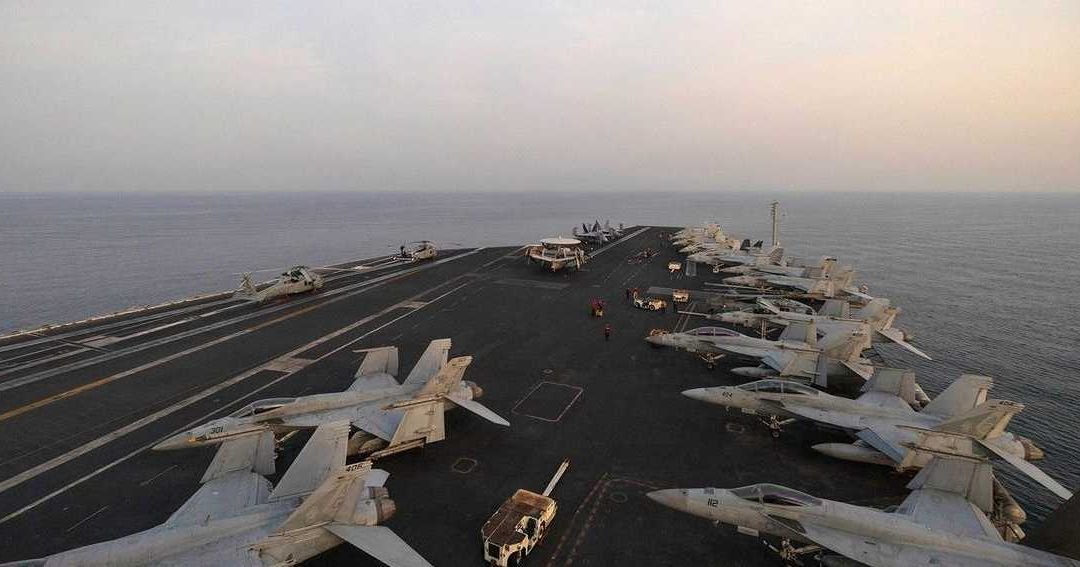
The United States Central Command (CENTCOM) has reaffirmed that the Strait of Hormuz remains open for international maritime traffic. Despite persistent security challenges and regional tensions involving Iran, officials emphasized that the critical waterway continues to function as a primary artery for global commerce.
Commander of US Central Command, Admiral Brad Cooper, provided the update on Friday, noting that the flow of goods through the chokepoint has remained steady. According to official figures cited by the command, approximately 400 commercial vessels have successfully navigated the Strait of Hormuz over the past seven days. This transit volume highlights the continued reliance of the international community on the passage despite the heightened security environment that has characterized the region in recent months.
The Strait of Hormuz, located between Oman and Iran, is one of the world’s most significant strategic maritime corridors. It serves as a vital route for the transit of oil and liquefied natural gas from the Gulf states to global markets. The security of this route is a matter of intense geopolitical interest, given its role in global energy stability. The US military maintains a significant posture in the area to monitor maritime activities and ensure that international waters remain navigable for commercial operators.
CENTCOM’s statement comes amidst ongoing concerns regarding regional stability and the potential for disruptions to maritime trade. While military officials acknowledge the persistence of threats directed at shipping lanes in the broader Middle East, the latest operational data indicates that the impact on transit through the Strait of Hormuz has been mitigated by existing security measures. The maintenance of open shipping lanes is viewed as essential for preventing disruptions to the global energy supply chain, which could have far-reaching economic consequences for both regional and international actors.
The region has been subject to increased scrutiny as maritime security remains a top priority for naval forces operating in the Gulf. Admiral Cooper’s confirmation serves to reassure stakeholders that, despite regional tensions, the necessary oversight and military presence are in place to safeguard the passage of commercial vessels. As the situation in the Middle East continues to evolve, the ability to maintain the freedom of navigation through the Strait of Hormuz remains a central pillar of US maritime strategy in the region. The commitment to monitoring and protecting these lanes remains active as part of the broader efforts to manage security developments in the area.