Beirut Airport Faces Hurdles Following Lack of Safety Certification
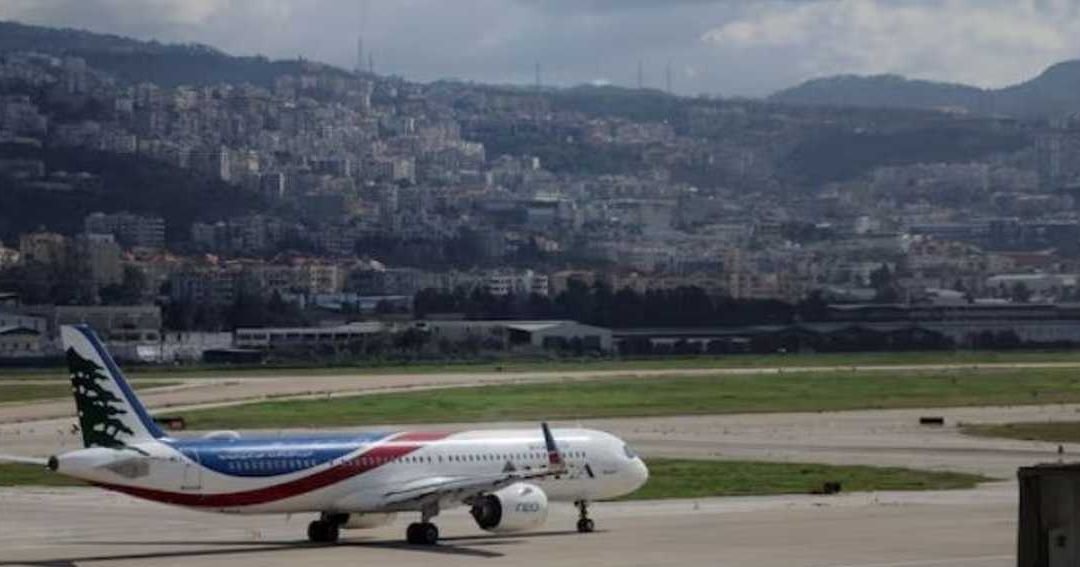
Beirut-Rafic Hariri International Airport is currently facing significant operational challenges as it lacks a valid safety certification, according to a recent report issued by the International Civil Aviation Organization (ICAO). This regulatory hurdle threatens to delay the resumption of direct flights between the United States and Lebanon, casting uncertainty over the potential restoration of air links that have been suspended for four decades.
The findings highlight a critical gap in the airport’s current compliance status, despite recent political developments suggesting a potential shift in US-Lebanese civil aviation relations. US President Donald Trump had previously indicated a move to end the long-standing suspension of direct air travel between the two nations, a decision aimed at normalizing transportation ties. However, the absence of the required international safety and security accreditation presents a substantial barrier to the implementation of these plans.
For the aviation sector, a valid ICAO safety certification is a foundational requirement for international carriers to establish or resume direct routes to any destination. The certification process involves rigorous audits and the meeting of specific global safety standards to ensure the protection of passengers, crews, and aircraft. The report suggests that until the Lebanese civil aviation authorities can demonstrate full compliance with these international benchmarks, the path for American carriers to secure the necessary authorization to operate flights to Beirut remains complicated.
This development comes at a sensitive time for Lebanon, which has been seeking to improve its international connectivity to bolster its struggling economy. The prospect of renewed direct flights had been viewed as a positive signal for tourism and business travel. The regulatory status of the national airport now places the burden of proof on the local aviation authorities to address the gaps identified by the global watchdog. Ensuring the airport’s infrastructure and security protocols align with international aviation standards is considered a prerequisite for any further diplomatic or economic efforts regarding the resumption of travel.
Industry experts note that while the political will to bridge the travel gap may exist, regulatory protocols are strictly enforced by global bodies. Consequently, the resolution of this issue will depend heavily on the ability of the Lebanese government and relevant aviation departments to expedite the necessary safety upgrades and administrative processes required to secure the elusive accreditation. Until then, the long-anticipated restart of direct commercial aviation services between the US and Lebanon remains on hold, as stakeholders await clarity on when and how the airport will meet the established international requirements.