Egypt Parliament Defers Decision on Military Support for Saudi Arabia
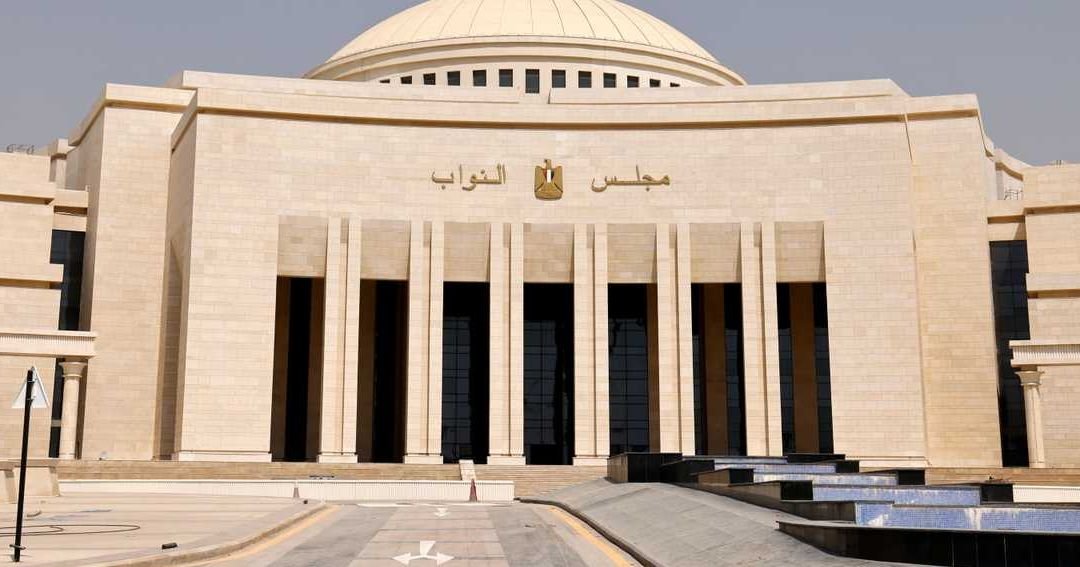
The Egyptian House of Representatives has deferred a critical decision regarding a formal request for military authorization to support Saudi Arabia. The move comes as the legislative body evaluates a proposal that would grant the President of the Republic the mandate to deploy military forces in alignment with the kingdom’s security requirements.
The request, which falls under the constitutional powers and internal bylaws of the Egyptian parliament, reflects the strategic depth of the ongoing bilateral security coordination between Cairo and Riyadh. Egyptian lawmakers are tasked with reviewing the legislative framework governing the potential deployment of personnel and the scope of military cooperation, a matter that requires significant procedural scrutiny under existing national regulations.
The postponement, while not indicative of a rejection, highlights the gravity with which the Egyptian government approaches regional security commitments. Any decision to send troops abroad necessitates a rigorous evaluation of the domestic legal landscape, as well as an assessment of the broader regional implications for Egyptian foreign policy. The parliamentary delay allows for further deliberation on the terms of the request, ensuring that any eventual deployment adheres strictly to the constitutional protocols mandated by Egypt’s political and legal structure.
Strategic cooperation between Cairo and Riyadh has long been a pillar of regional stability, covering various facets of joint security operations and diplomatic alignment. The current legislative discussion serves as a mechanism to formalize these existing ties through official state channels, reflecting the deepening security partnership between the two nations. As parliament continues its review, the focus remains on ensuring that the move aligns with the broader objectives of maintaining regional order and protecting shared interests.
The Egyptian constitution grants the legislature a decisive role in the authorization of military actions outside national borders, ensuring that such significant moves are backed by parliamentary oversight. By exercising this process, the House of Representatives is fulfilling its oversight role regarding the executive branch’s requests for international military engagement. The legislative body has indicated that the file remains a priority, underscoring the urgency that both governments place on regional coordination during periods of heightened strategic concern. Further proceedings are expected as lawmakers continue to weigh the technical and legal requirements of the proposal before reaching a final resolution.