Iran and Iraq Reportedly Reach Deal on Kurdish Opposition Groups
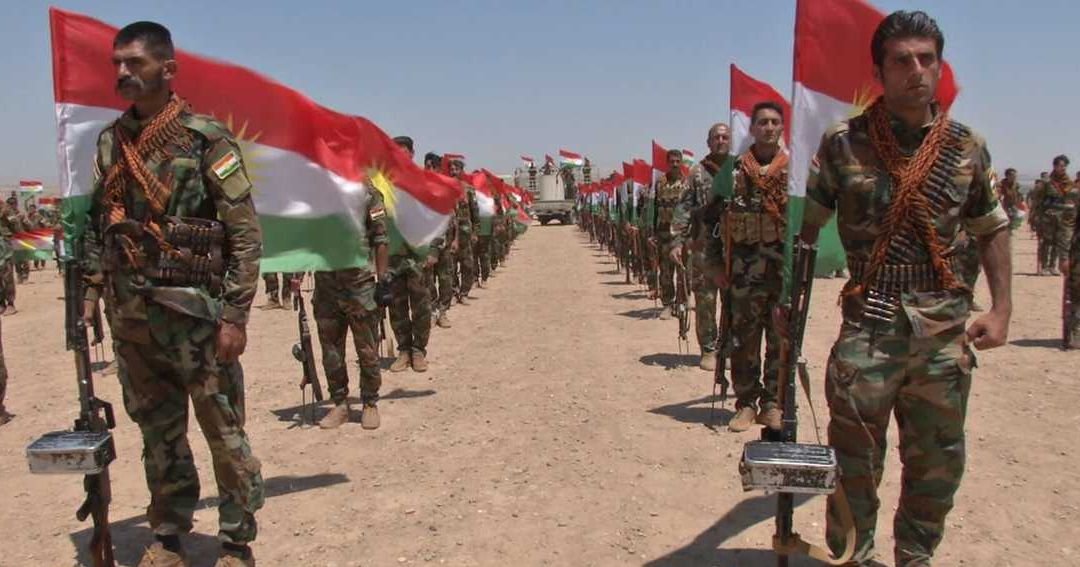
Iran has announced that a formal agreement has been reached with the Iraqi government regarding the presence of Iranian Kurdish opposition groups currently operating within the Kurdistan region of Iraq. The deal reportedly mandates that Baghdad take measures to either expel these organizations from Iraqi territory or facilitate the transfer of their members to Iranian custody.
The announcement, made by Tehran on Tuesday, signals a potentially significant shift in the stance of the Iraqi central government toward these armed and political factions. For years, the presence of Iranian opposition groups, such as the Kurdistan Democratic Party of Iran (KDPI) and other splinter factions, along the border regions of Iraq and Iran has been a consistent point of diplomatic and security friction between the two neighbors. Tehran has frequently accused these groups of orchestrating cross-border attacks and fomenting instability within its western provinces, often responding with artillery barrages and drone strikes aimed at positions within the Iraqi Kurdistan region.
While Tehran has presented the development as a formal consensus between the two sovereign states, there has been a notable absence of confirmation from officials in Baghdad. The Iraqi government has yet to release a detailed statement verifying the parameters of the agreement or outlining the administrative and security mechanisms that would be required to implement such a directive. The lack of an official response from the Iraqi authorities leaves questions regarding the feasibility and timeline of any potential security transition.
The move highlights the ongoing complexities of the security landscape along the Iran-Iraq border. Historically, the semi-autonomous nature of the Kurdistan Regional Government (KRG) in northern Iraq has complicated Baghdad’s ability to fully exercise central control over border security. Any potential enforcement of this reported agreement would require delicate coordination between the federal government in Baghdad, the authorities in Erbil, and the Iranian security apparatus.
If implemented, the removal or relocation of these groups would mark a major development in regional security dynamics. Iran has long pressured the Iraqi government to neutralize these factions as a prerequisite for regional stability. Analysts will be closely observing whether Baghdad issues a formal acknowledgement of the deal and how the regional government in Iraqi Kurdistan—which has historically maintained a cautious position regarding these groups—navigates the pressure from both the Iraqi federal government and Tehran. The situation remains fluid as both nations await further clarity from official channels in Baghdad regarding the status of the reported accord and the specific actions expected to be taken by Iraqi security forces.