Escalating Clashes in Yemen Leave Hundreds Dead
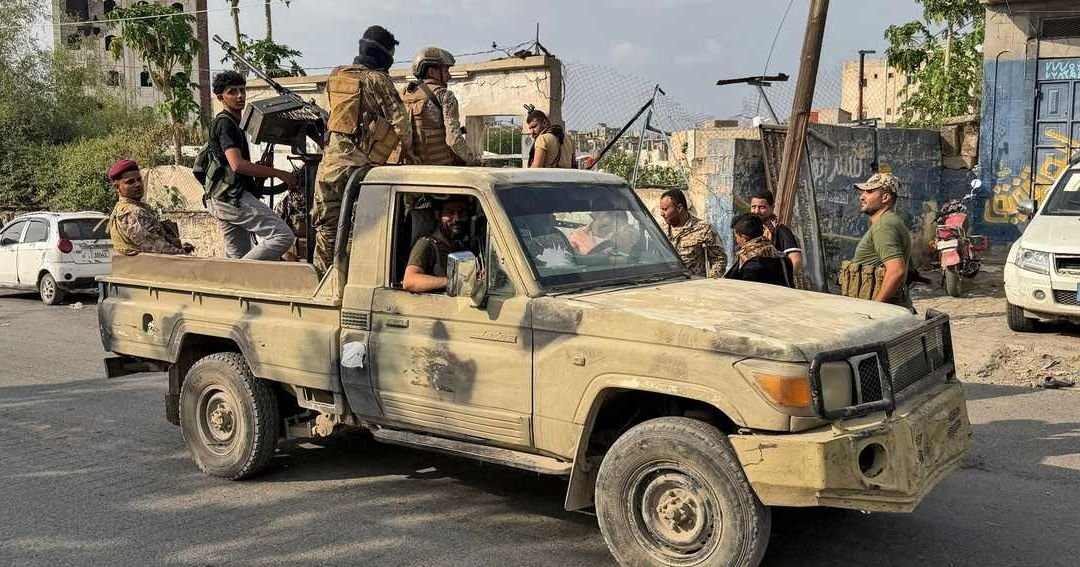
Yemen has experienced a significant escalation in hostilities over the past five days, resulting in hundreds of fatalities. According to reports from the region, the surge in violence has been characterized by intense direct combat between government-aligned forces and Houthi insurgents, as well as a series of targeted airstrikes. The conflict, which has been ongoing for years, continues to exert a heavy toll on the country as both sides trade fire in contested territories.
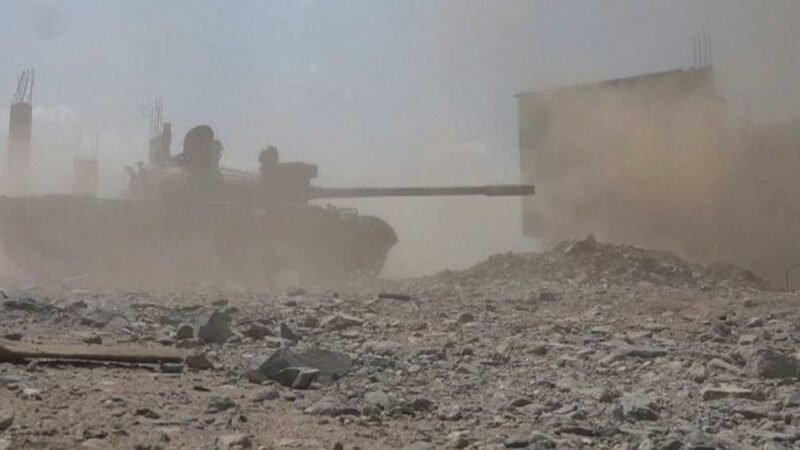
The majority of those reported killed during this five-day period have been identified as members of the Houthi movement, as government forces and their allies have intensified efforts to push back against insurgent positions. The sharp increase in casualties highlights the volatile nature of the front lines, which remain fluid despite multiple diplomatic efforts to secure a lasting ceasefire. Military engagements have reportedly been concentrated in strategic areas, leading to sustained artillery exchanges and ground maneuvers that have resulted in significant loss of life.
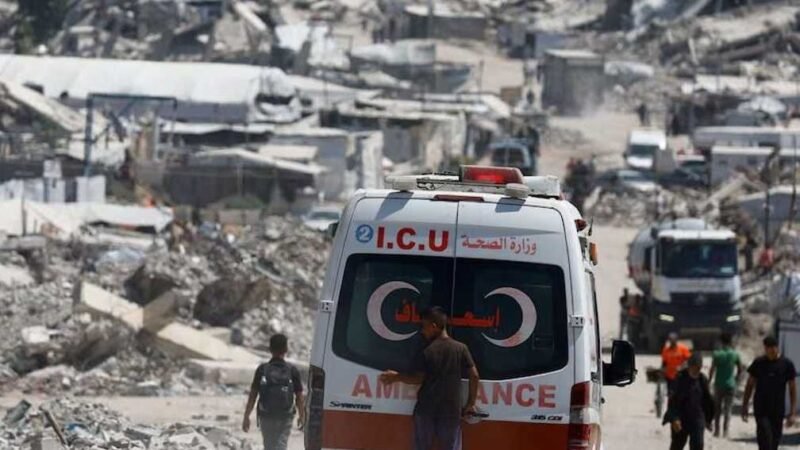
The humanitarian implications of this latest spike in violence remain a primary concern for observers on the ground. As military operations continue, the ability of civilian infrastructure to withstand the pressure of ongoing combat operations is being severely tested. Both the Houthi forces and the Yemeni government remain deeply entrenched in their respective positions, showing little sign of a near-term diplomatic breakthrough that could de-escalate the situation. The intensification of air raids has added a further layer of complexity to the security landscape, complicating the already fragile stability of the region.
Local authorities and security sources have indicated that the scale of the fighting seen over the last few days represents one of the more intense periods of confrontation in recent months. The sustained nature of the clashes suggests that both parties are prioritizing military objectives in key provinces, further complicating the prospects for renewed dialogue or the stabilization of disputed zones. The ongoing nature of these skirmishes underscores the persistent threat posed by the unresolved conflict to the stability of the broader Arabian Peninsula.
As the death toll mounts, the security situation across affected provinces remains precarious. With no clear indication of a ceasefire or a cooling of tensions, the immediate outlook for the region remains marked by continued uncertainty and the potential for further military confrontations. The international community continues to watch the situation closely, mindful of the potential for this surge in violence to further destabilize an already fractured national landscape. For the time being, the focus remains on the immediate tactical shifts on the ground as both factions attempt to consolidate their influence in the face of persistent, large-scale combat engagements.