Houthi Threats Intensify Pressure on U.S. Security in Middle East
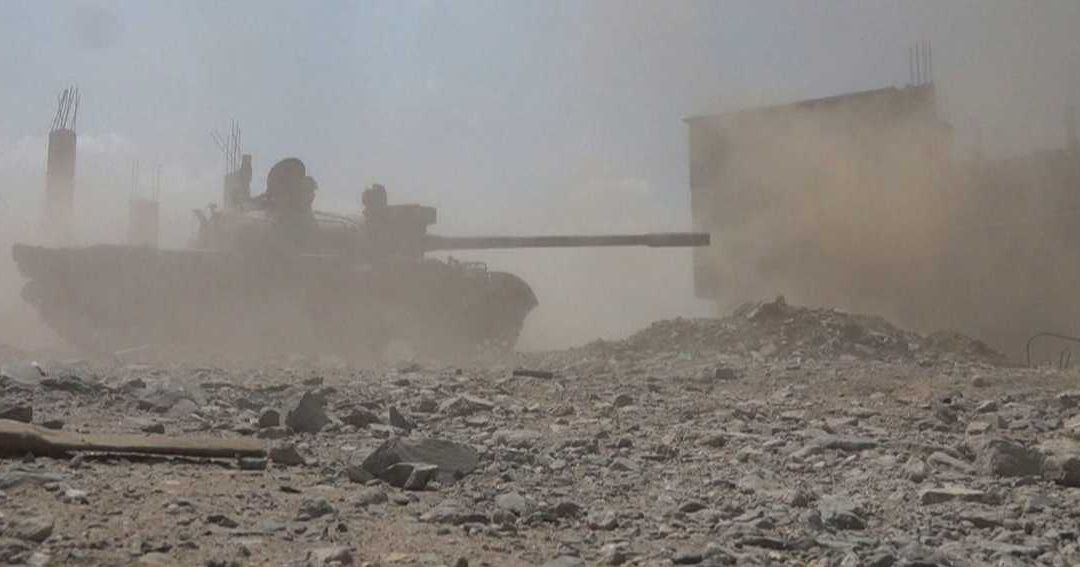
The persistent threat posed by Houthi forces has forced Washington into a precarious security dilemma in the Middle East. As regional tensions continue to mount, the United States is facing increased pressure to protect both its citizens and its strategic interests in the region. The escalation of Houthi-led attacks has triggered significant concern within American policy circles, raising urgent questions regarding the extent to which the U.S. must engage militarily to maintain stability.
At the core of the concern is the expansion of Houthi activities, which have moved beyond localized skirmishes to present a broader challenge to regional maritime security and the safety of U.S.-affiliated assets. This shift has prompted a heightened state of alert among American military planners who are tasked with navigating the thin line between necessary deterrence and the risk of triggering a much broader regional conflict.
The challenge facing Washington is multifaceted. On one hand, there is a clear imperative to ensure the security of international interests and the stability of trade routes that are vital to the global economy. On the other, policymakers are increasingly wary of a tactical response that could spiral into a wider confrontation, potentially drawing in other regional actors and extending the conflict well beyond the borders of Yemen.
Analysts have noted that the situation represents a critical test for the Biden administration’s regional strategy. While the U.S. has historically maintained a significant security footprint in the Middle East, the current landscape is characterized by a high degree of volatility. The Houthi capability to project force through various tactical means has necessitated a reassessment of existing defensive postures. This includes evaluating the risks associated with active military intervention, which some fear could be misinterpreted or serve as a catalyst for deeper, more entrenched instability.
The debate within Washington now centers on the threshold for military action. While the protection of interests is a non-negotiable objective, the potential for unintended escalation is a primary driver of the current caution. The administration is balancing demands for a more robust show of force against the strategic imperative of preventing a total collapse of regional security frameworks. As the situation evolves, the focus remains on whether diplomatic channels or targeted security measures can contain the threat without escalating the environment into a broader, uncontrollable regional war.
Ultimately, the Houthi threat acts as a lightning rod for the complex geopolitical realities of the current Middle East. The interplay between local actors and international powers has created an atmosphere where every move is calculated with extreme sensitivity. Washington’s next steps will be critical, as they will define not only the future of its security operations in the country but also the broader trajectory of stability in the Arabian Peninsula.