Iraq’s Closure of Shalamcheh Crossing Sparks Regional Debate
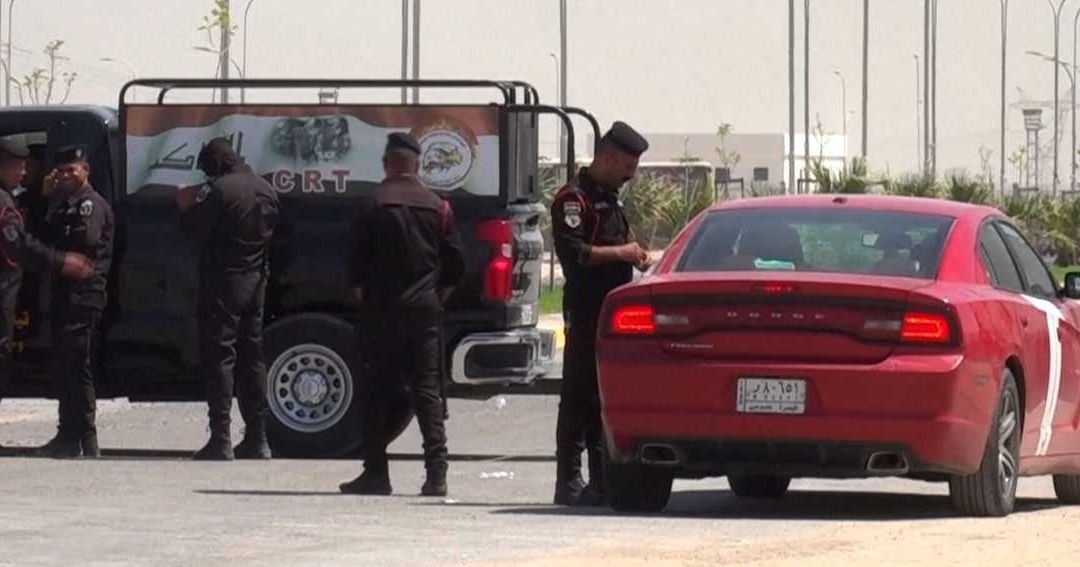
The Iraqi government’s decision to shutter the Shalamcheh (Al-Shib) border crossing with Iran has triggered a polarized public and political debate within Iraq, highlighting the complex tensions between maintaining regional trade and asserting national sovereignty. The closure, which has disrupted the movement of goods and people, has left stakeholders divided over the primary motivations and the potential long-term consequences of the move.
For many observers, the immediate concern lies in the economic impact. Iran remains a vital trade partner for Iraq, and the Shalamcheh crossing serves as a key artery for food supplies and consumer goods. Critics of the government’s decision warn that a prolonged closure could lead to a spike in commodity prices and food shortages, placing additional strain on an Iraqi public already grappling with persistent economic challenges. Opponents argue that such measures, if sustained, could serve as a tool of political pressure against Tehran, potentially altering the delicate diplomatic balance between Baghdad and its neighbor.
Conversely, supporters of the closure, including various security-focused factions, frame the decision as a necessary step to reassert state authority. Within this narrative, the border is described as a vulnerable point that has been subject to systemic exploitation. Proponents of increased scrutiny at the frontier point to the urgent need to curb illicit activities, including the large-scale smuggling of weapons and the movement of actors involved in cross-border military activities. Advocates for the policy emphasize that the Iraqi state must maintain strict control over its territorial integrity to prevent the crossing from being used as a staging ground for attacks on neighboring countries, which could further destabilize Iraq’s own security environment.
The divide over the closure reflects the broader struggle within Iraq to manage its multi-layered foreign policy. Baghdad often finds itself balancing the influence of its powerful eastern neighbor, Iran, against the need to project a policy of sovereign independence and regional neutrality. By restricting a major transit point, the government is effectively testing the limits of its bilateral relationship with Tehran while simultaneously responding to domestic calls for a more assertive border management policy.
As the debate unfolds, the government is under pressure to provide clarity on the duration of the closure and the specific operational criteria that will govern its potential reopening. The situation remains fluid, with economic stakeholders calling for the resumption of trade to stabilize markets, while security hardliners maintain that the current measures are a prerequisite for restoring order at the border. The resolution of this dispute is likely to offer a significant indicator of Baghdad’s strategic direction in managing its regional security and economic dependencies in the months to come.