Trump Softens Tone on Libya Following Diplomatic Friction
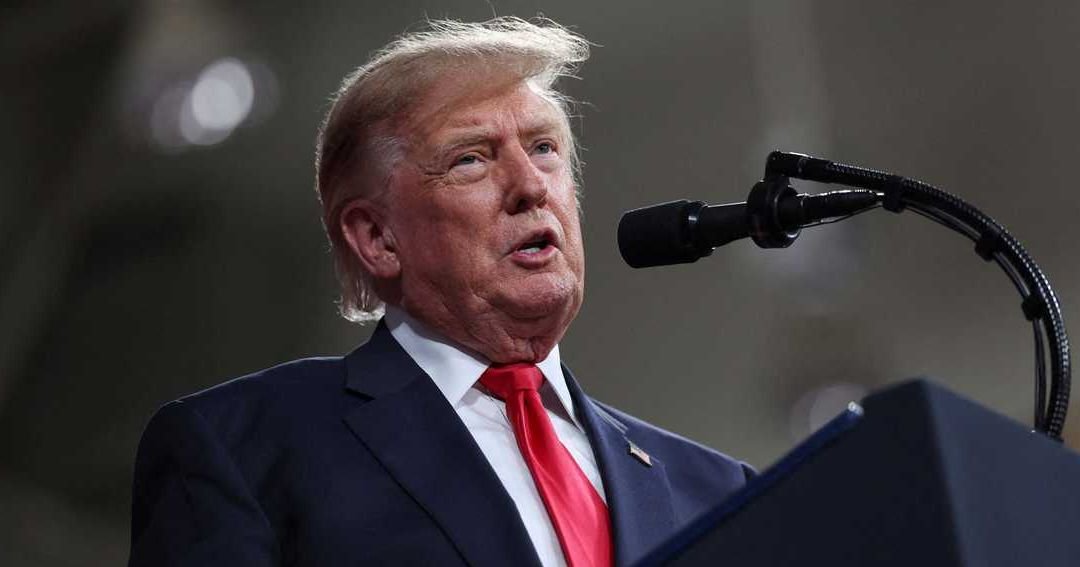
United States President Donald Trump has struck a conciliatory tone regarding Libya, expressing his support for the nation’s people and their aspirations for stability. The statement, which highlights a belief that Libyans deserve a future characterized by peace and prosperity, comes on the heels of a brief but significant diplomatic rift between Washington and Tripoli.
The shift in rhetoric follows a wave of public and official dissatisfaction in Libya regarding earlier comments made by the U.S. President concerning the North African state. The reaction from Tripoli was swift, with the Libyan government taking the formal step of summoning the American chargé d’affaires to express its formal protest over the initial remarks.
Diplomatic relations between the United States and Libya have long been marked by the complexities of the post-2011 political landscape, where the U.S. maintains a keen interest in the country’s security and efforts toward a unified government. By publicly praising the Libyan people, the administration appears to be attempting to de-escalate tensions and reaffirm a commitment to the country’s long-term developmental goals, such as economic stability and the restoration of a secure national environment.
For Libya, which remains focused on navigating its internal political transitions, the nature of its international partnerships remains a critical component of its diplomatic strategy. The summoning of the U.S. representative was a clear signal of the sensitivity surrounding international discourse on the state of affairs within the country. While Libya continues to seek international support for its path toward sustainable governance, the recent exchange underscores how sensitive the bilateral dialogue remains between the two nations.
Observers of the region have noted that such diplomatic friction, while often brief, highlights the ongoing importance of maintaining clear and constructive lines of communication. The U.S. President’s latest acknowledgment of the Libyan people’s right to prosperity is viewed by regional analysts as a recalibration of the diplomatic narrative intended to move past the recent disagreement.
As the international community continues to monitor progress in Libya, the ability of both nations to manage these diplomatic hurdles will likely remain a fixture of their interaction. The focus now shifts back to how these external relations impact the broader efforts to achieve lasting peace in the country, a goal that remains the primary objective for both the local authorities and their international partners. The U.S. has maintained a diplomatic presence in the country throughout various stages of the conflict, and this latest development is seen as an effort to ensure that the relationship remains functional and directed toward shared objectives of stability and regional growth.