

Sudan’s Descent: Five Years After Political Upheaval
Five years have passed since the political transition began in Sudan following the overthrow of the long-standing regime in April 2019, yet the nation remains mired in a profound cycle of instability. The country now faces a multi-faceted collapse, struggling under the weight of severe security, political, economic, and social crises that have only intensified over the past 42 months.
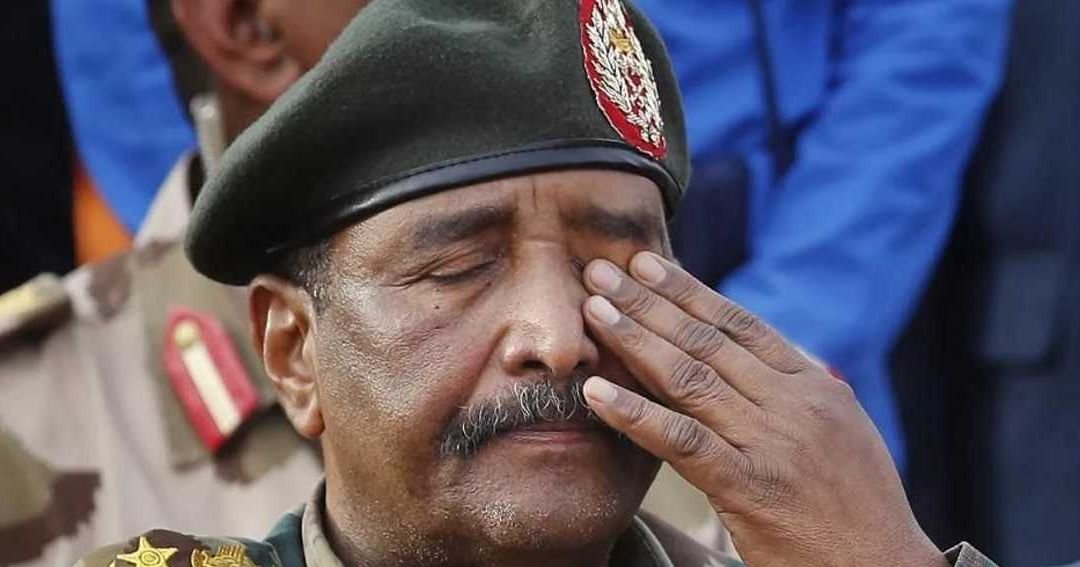
The current atmosphere of volatility stems from a complex timeline of shifting governance and domestic conflict. In October 2021, the civilian-led transition was interrupted when the commander of the Sudanese Armed Forces, Abdel Fattah al-Burhan, took control, effectively dismantling the power-sharing arrangements established after the 2019 uprising. This move signaled a significant fracture in the efforts to transition toward a democratic order, leaving the country’s future trajectory in significant doubt.
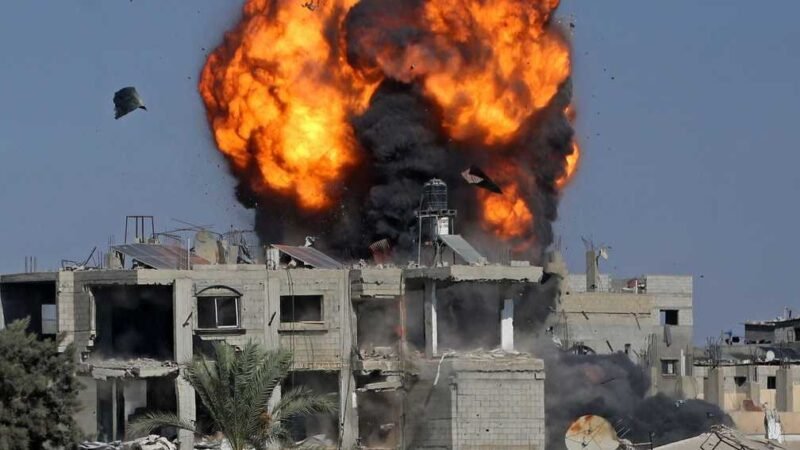
The situation deteriorated further in April 2023, when widespread conflict erupted, plunging the nation into an acute state of warfare. This escalation has compounded the pre-existing challenges of the post-2019 period, creating a severe humanitarian and economic landscape that has left millions of citizens vulnerable. The war has effectively paralyzed the functions of the state, disrupting critical infrastructure and deepening the economic despair that has burdened the Sudanese population for years.
From a security perspective, the ongoing hostilities have led to a breakdown in law and order, hindering the delivery of essential services and creating a massive displacement crisis. The political deadlock, characterized by the absence of a stable, unified governance structure, continues to frustrate regional and international efforts aimed at brokering a sustainable peace. As the country marks these somber milestones, the gap between the aspirations of the 2019 movement and the current reality of fragmentation remains stark.
Economically, the impact has been devastating. Sudan’s limited resources have been further depleted by the costs of the conflict, leading to skyrocketing inflation and the destruction of the economic foundation required for recovery. The social fabric of the nation is equally strained, with communities struggling to navigate the daily realities of war and the absence of a clear pathway toward national reconciliation. As the conflict drags on, the international community continues to monitor the humanitarian fallout, while the internal struggle for authority persists without an immediate resolution in sight. The intersection of the 2019 political upheaval and the 2023 onset of war highlights a nation currently trapped in an cycles of instability, with the fundamental structures of statehood continuing to endure significant strain.