UN Warns of Escalating Civilian Toll from Drones in Sudan
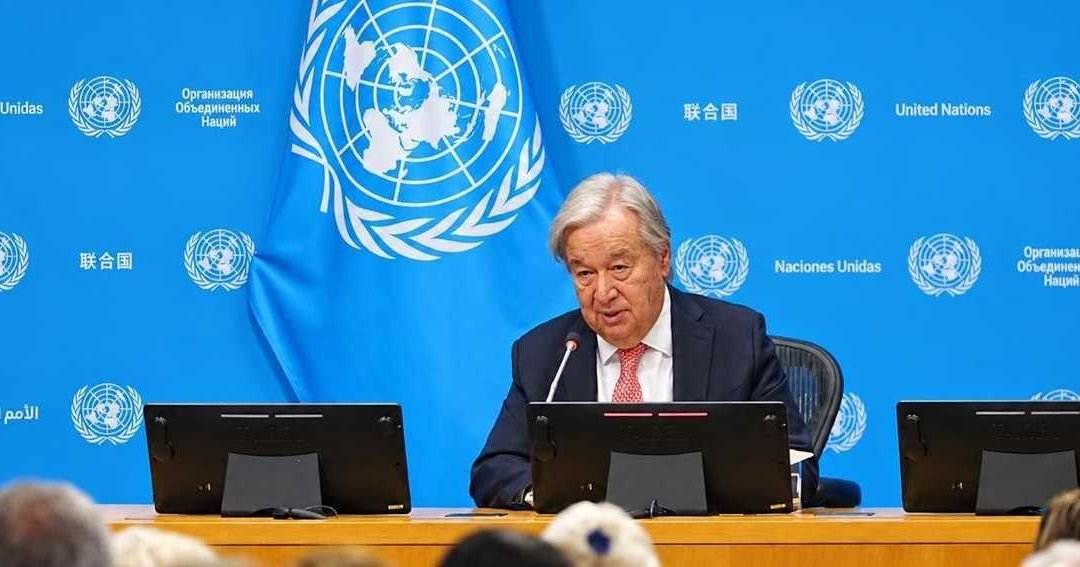
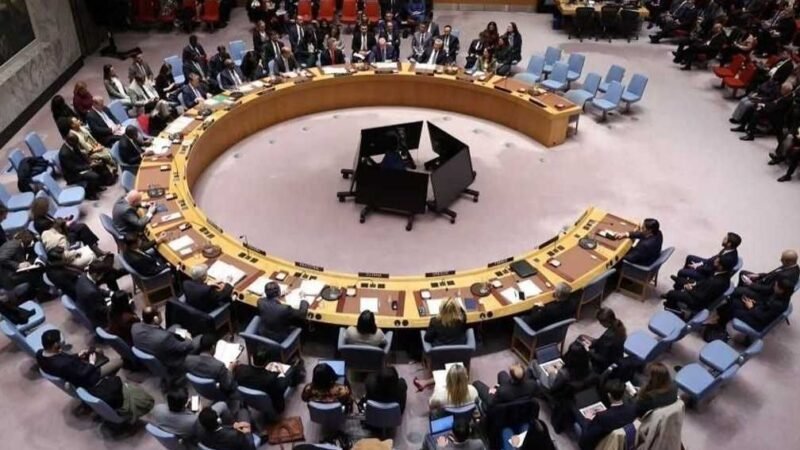
The United Nations has issued a stark warning regarding the evolving nature of the war in Sudan, highlighting a disturbing shift toward the widespread use of combat drones as a primary tool for targeting civilian populations. In his most recent assessment of the humanitarian situation, UN Secretary-General António Guterres underscored his profound concern over the rising human cost of the conflict, as both warring parties increasingly integrate drone warfare into their military operations.
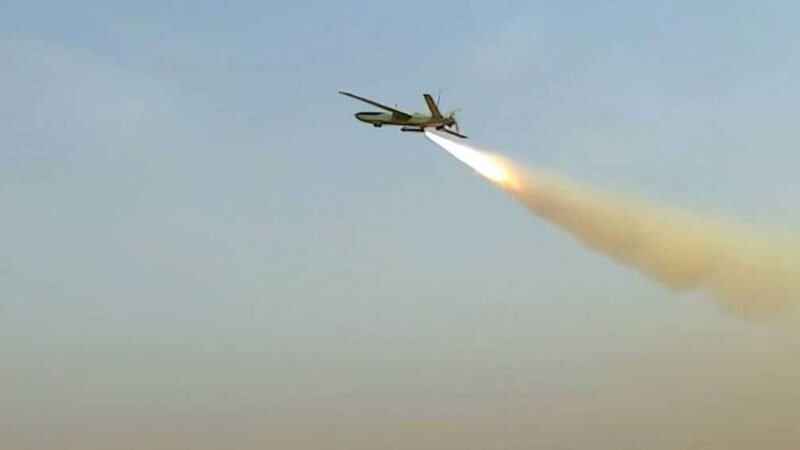
The use of unmanned aerial vehicles (UAVs) in Sudan has transitioned from tactical reconnaissance to a frequent means of carrying out lethal strikes in densely populated urban centers. These attacks have resulted in a significant number of civilian casualties and the systematic destruction of critical infrastructure, exacerbating a humanitarian crisis that has already displaced millions of people. The Secretary-General’s remarks come amidst growing international pressure to hold those responsible for the indiscriminate targeting of non-combatants accountable under international humanitarian law.
The deployment of these systems by the warring factions has fundamentally altered the security landscape on the ground. Beyond the immediate loss of life, these strikes are severely damaging the essential services required for survival, including access to healthcare, water, and electricity. The scale of the destruction has left aid organizations struggling to reach vulnerable communities, as the unpredictability of drone strikes creates a environment of constant fear for those trapped in conflict zones.
International monitors and UN human rights officials have frequently noted that the proliferation of such weaponry in the Sudanese theatre has deepened the suffering of the civilian population. The ability of both sides to procure and deploy these platforms has allowed for an expansion of hostilities into areas that were previously considered relatively safe, further complicating efforts to establish humanitarian corridors or secure a lasting ceasefire.
As the conflict enters an increasingly volatile phase, the United Nations is calling for an immediate de-escalation and a return to diplomatic dialogue to prevent further loss of life. The Secretary-General has consistently reiterated that there is no military solution to the current crisis in Sudan and that the international community must prioritize the protection of civilians who are bearing the brunt of these advanced technological tactics. The situation remains a critical focal point for regional security, as the continued instability risks further spillover effects and persistent humanitarian degradation across the affected territories.