

Egypt Launches Digital Fuel Monitoring System
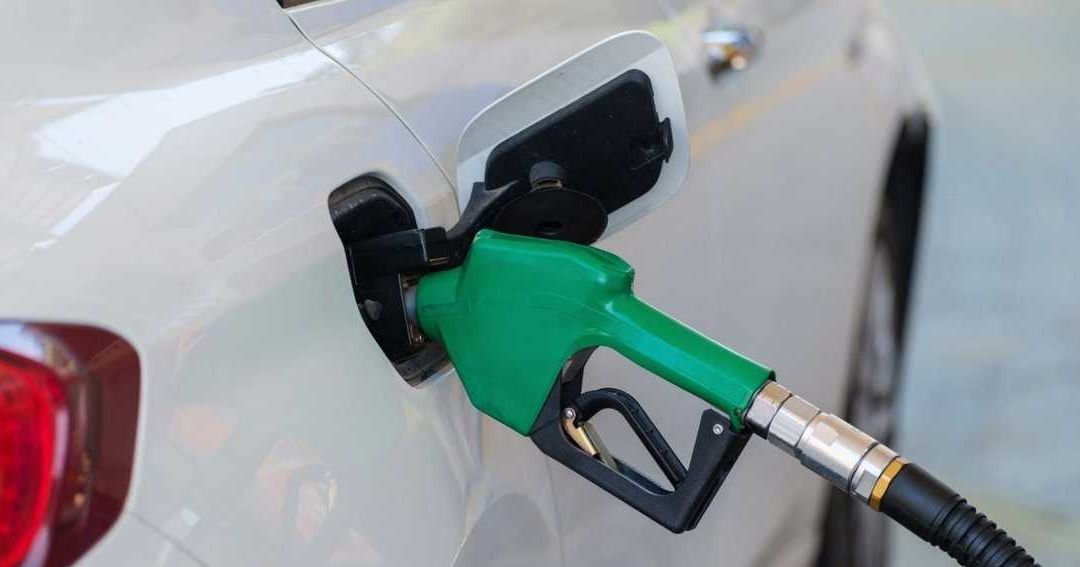
Egypt has officially launched a pilot phase for a new, advanced electronic monitoring system designed to oversee the distribution and sale of fuel across the country. The initiative, which is currently being tested in the governorate of Port Said, marks a significant shift in the government’s approach to managing the nation’s energy supply chain.
By integrating digital tracking technologies into the fuel supply process, authorities aim to establish tighter control over the distribution of gasoline and diesel. The primary objective of this project is to enhance transparency and improve regulatory oversight, ensuring that fuel products are directed efficiently to their intended markets.
For years, the Egyptian government has sought ways to address the challenge of fuel leakage, where subsidized products are sometimes diverted into unauthorized or illicit channels. This shift toward an automated, data-driven system represents a strategic effort to mitigate such losses, which historically have placed significant pressure on the national budget and complicated energy market management.
Under the new system, fuel stations in the pilot area are equipped with digital monitoring tools that track the flow of fuel from the point of delivery to the point of consumption. This real-time visibility is expected to provide policymakers with more accurate data regarding demand, consumption patterns, and stock levels across various regions. By reducing the potential for misappropriation and ensuring that supplies reach authorized endpoints, the government intends to stabilize the market and ensure the consistent availability of fuel for legitimate consumers.
The deployment of this electronic system in Port Said serves as a proof-of-concept phase. If successful, the model is expected to provide a framework for a nationwide rollout, potentially transforming how energy commodities are handled throughout Egypt’s extensive network of petrol stations and distribution centers.
Beyond simple monitoring, the digital infrastructure is designed to facilitate better decision-making regarding energy subsidies and resource allocation. As Egypt continues to pursue broader economic reforms, projects like this electronic tracking system highlight the state’s focus on using technology to optimize domestic resources and improve the efficiency of the public sector.
The initiative is part of a larger ongoing effort to modernize the country’s energy sector and ensure that infrastructure projects remain aligned with the government’s long-term economic strategy. While the project is in its early experimental stages, it underscores a commitment to digitizing state oversight and reducing systemic inefficiencies within the vital energy distribution network, ultimately aiming to safeguard national supplies and prevent the diversion of essential commodities into the black market.