

Iraq and Syria Discuss Exporting Oil via Banias Pipeline
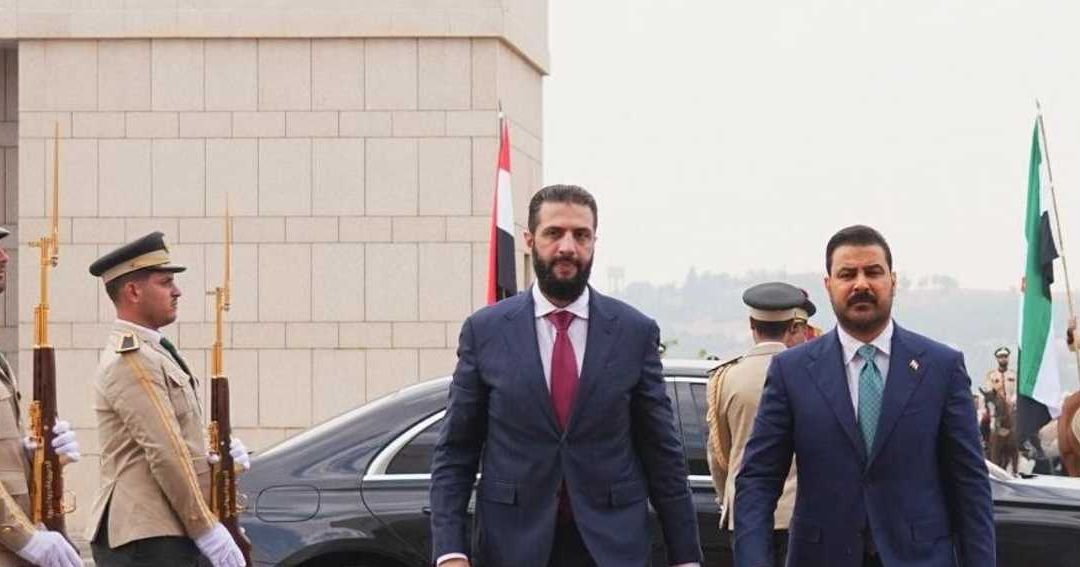
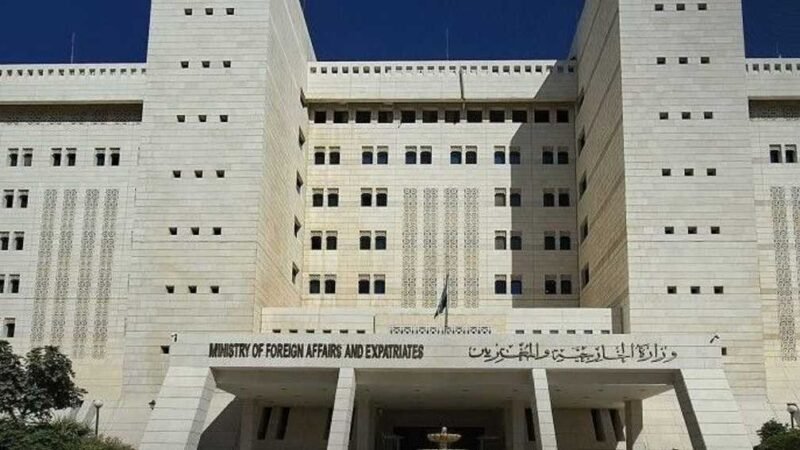
Iraqi Prime Minister Ali al-Zaidi and Syrian President Ahmed al-Sharaa met in Damascus on Wednesday to discuss a significant expansion of bilateral cooperation, with a primary focus on energy infrastructure and security. The discussions centered on the potential reactivation of the oil pipeline connecting Iraq to the Syrian port of Banias on the Mediterranean coast.
The proposed project aims to facilitate the export of Iraqi crude oil through the Syrian terminal, with initial projections suggesting a transit capacity of up to two million barrels per day. Both leaders identified this initiative as a strategic priority that would bolster the economic ties between the two nations and enhance the regional energy transport network.
During the meeting, the two delegations addressed the necessary economic and technical frameworks required to modernize the pipeline, which has long been a subject of interest for both Baghdad and Damascus. The restoration of this route would provide Iraq with a critical alternative outlet for its oil exports, diversifying its logistics capabilities beyond its current southern ports and existing northern routes.
Beyond the energy sector, the talks also encompassed a broad review of security and economic coordination. Both parties emphasized the importance of regional stability in ensuring the success of large-scale infrastructure projects. As the discussions progressed, the leaders underscored their commitment to fostering closer political and economic integration, aimed at maximizing the mutual benefits of their shared borders and historical trade links.
While the project remains in the developmental phase, the announcement marks a significant diplomatic development in regional cooperation. The feasibility of achieving a two-million-barrel daily capacity would require extensive rehabilitation of the pipeline infrastructure, much of which has seen limited use in recent decades. The meeting concluded with an agreement to form specialized committees tasked with drafting the technical requirements and security protocols necessary to move the project forward.
This high-level engagement reflects a concerted effort by Iraq and Syria to leverage their natural resources and geographical proximity to strengthen their respective economies. By prioritizing the reactivation of the Banias line, the two governments are signaling a shift toward deeper interdependence in the energy sector, which could have long-term implications for the regional oil landscape. Officials from both delegations stated that follow-up meetings will be scheduled to assess the logistical and security conditions on the ground, ensuring that all aspects of the pipeline’s operation meet international standards for energy transit and regional safety.