Iraqi Industry Ministry Official Sentenced for Bribery
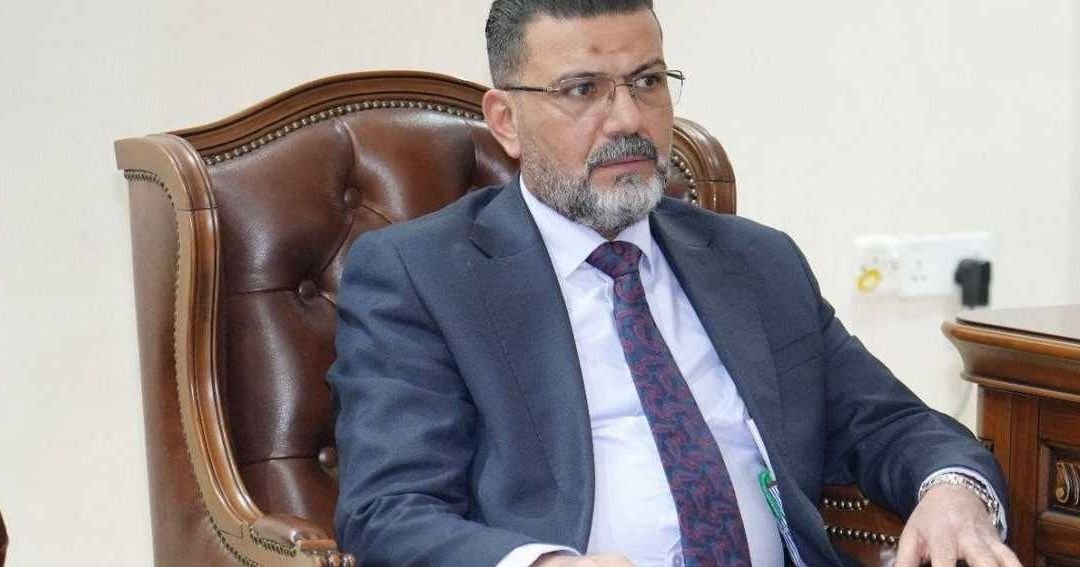
The Iraqi Federal Commission of Integrity has announced the conviction of a high-ranking official within the Ministry of Industry and Minerals on corruption-related charges. The administrative undersecretary for the ministry was sentenced to six years in prison after a court found him guilty of soliciting and accepting a bribe totaling $350,000.
The judicial decision, delivered this week, marks a significant development in the ongoing efforts by the Iraqi authorities to address systemic corruption within the country’s state apparatus. According to the commission, the official was targeted as part of a broader crackdown on financial misconduct and the misuse of public office to secure illicit personal gain. The investigation revealed that the undersecretary had utilized his position of authority to manipulate administrative processes in exchange for the large sum of money.
Corruption remains a primary challenge for the Iraqi government, which has faced mounting pressure from both the public and international observers to improve transparency and accountability within state institutions. The Federal Commission of Integrity has recently intensified its activities, conducting several investigations into the conduct of high-level civil servants, ministers, and advisors suspected of undermining state governance for financial benefit.
This ruling follows a series of recent judicial actions aimed at combating widespread administrative irregularities. The case of the Ministry of Industry and Minerals official highlights the scale of financial corruption cases currently under judicial review. While the government has pledged to continue its anti-corruption drive, the prevalence of such cases continues to influence the national political discourse regarding institutional reform and the restoration of public trust in government agencies.
The official, who held a prominent administrative role within the ministry, oversaw critical functions related to industrial policy and resource management. The conviction is expected to serve as a warning to other public officials involved in similar activities, signaling a shift toward more stringent enforcement of Iraq’s anti-corruption laws. The judicial process surrounding the case was conducted under the authority of the Iraqi judiciary, which maintains jurisdiction over cases referred by the integrity commission following the completion of evidence gathering and interrogations.
No further details regarding the specific nature of the industrial contracts or the circumstances leading to the solicitation of the bribe were disclosed in the initial report by the commission. However, the sentencing serves as a definitive step in the current cycle of anti-corruption efforts aimed at curbing illicit financial activities that have historically hampered the effective operation of Iraq’s ministerial sectors.