US Steps Up Diplomatic Engagement in Libya to Address National Division
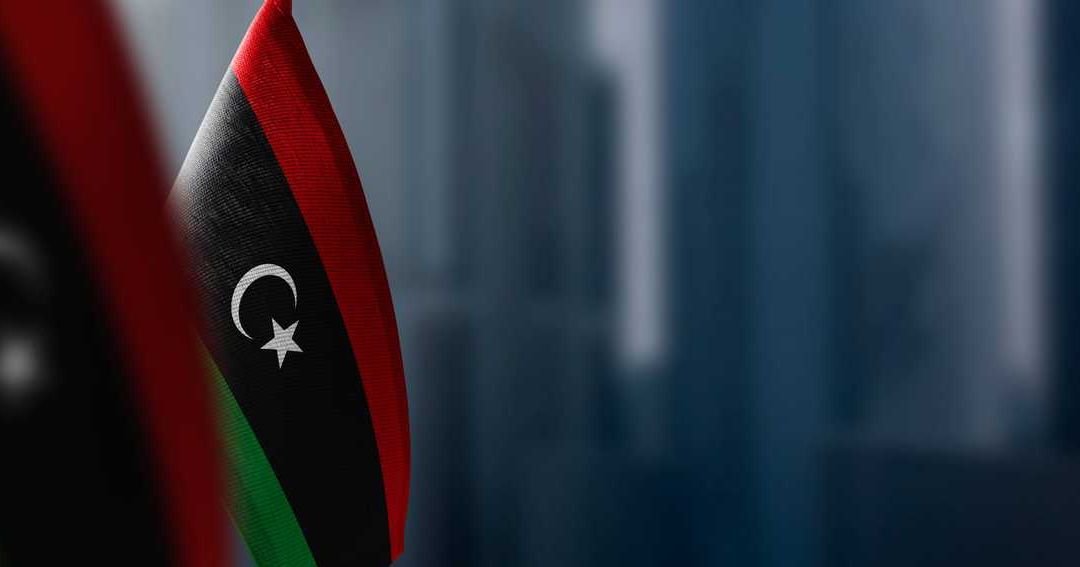
Intensifying diplomatic maneuvers by the United States in Libya have brought renewed attention to the country’s prolonged institutional and military deadlock. As Washington steps up its political engagement, coupled with direct military discussions between key figures from eastern and western Libya, stakeholders are increasingly focused on the potential for national reconciliation and the unification of fractured governing institutions.
For years, Libya has grappled with deep-seated political fragmentation, split between competing administrations and rival power centers. The current surge in US diplomatic activity signals a concerted effort to break this impasse. By facilitating communication channels and emphasizing the necessity of a unified political roadmap, Washington appears to be seeking a sustainable path toward ending the institutional paralysis that has hindered the nation’s stability and reconstruction efforts.
The strategy being observed involves a two-pronged approach. On the diplomatic front, US officials are actively engaging with various stakeholders to advocate for a cohesive political vision. Simultaneously, the focus on military-to-military dialogue aims to address the security concerns that have long served as a barrier to peace. By fostering direct contact between military leaders from both the east and west, there is a tangible effort to establish the trust necessary to integrate the country’s divided security apparatus.
Political analysts have noted that while the path to a unified government remains complex, the current level of external focus and the willingness of domestic actors to engage in dialogue represent a shift in the landscape. The goal is to move beyond the temporary truces that have characterized the last several years and instead establish permanent, inclusive national institutions. Whether these intense efforts can overcome the entrenched interests and regional tensions that have fueled the conflict remains a central question for observers both inside and outside the country.
For many Libyans, the prospect of an end to the country’s deep divisions is a critical step toward economic recovery and social stability. The ability of the competing factions to transition from adversarial posturing to functional cooperation will be tested as these diplomatic initiatives continue to unfold. As the international community watches these developments, the focus remains on whether these discussions can bridge the divide between Libya’s competing political, military, and institutional authorities, ultimately leading to a single, unified governing framework capable of serving the needs of the entire nation.