

Libya Faces Escalation Risks After Benghazi Port Incident
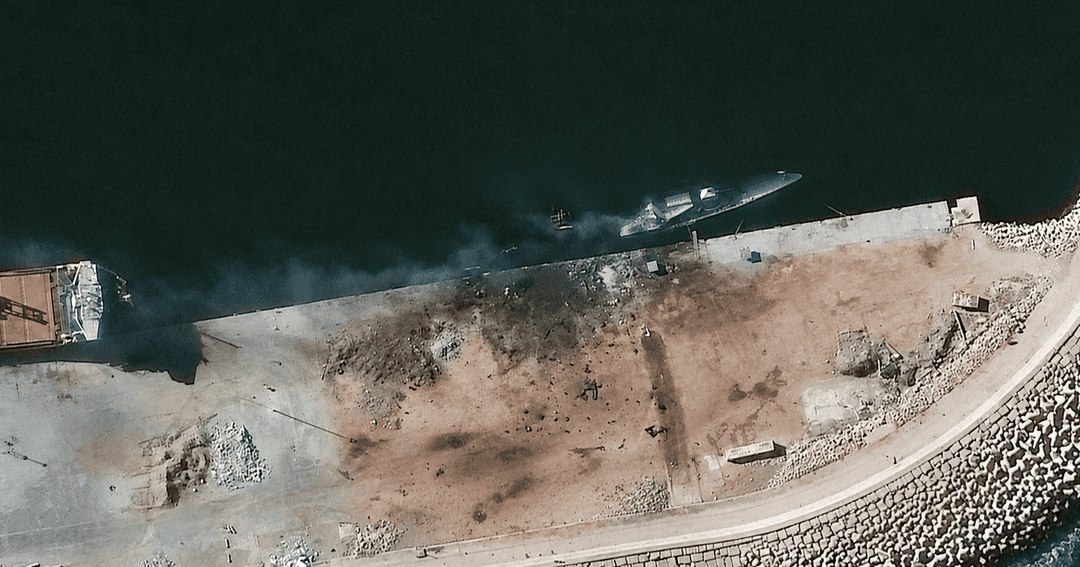
The port of Benghazi has become the latest flashpoint in the ongoing global tension between Russia and Ukraine, as an attack on a Russian-linked vessel raises significant concerns regarding the spillover of external conflicts into Libyan territory. The incident has sent shockwaves through the region, intensifying fears that Libya’s fragile political landscape, already burdened by long-standing divisions, could become a theatre for proxy confrontations.
Libya remains sharply split between rival administrations in the east and the west, each maintaining distinct international alliances and security partnerships. Analysts suggest that the targeting of a vessel within the jurisdiction of eastern authorities highlights how deeply integrated these local factions have become in broader geopolitical rivalries. The attack has further complicated the precarious security situation in Benghazi, a city that serves as a vital economic hub and a stronghold for eastern-based political and military forces.
Local observers and regional security experts note that the incident goes beyond a singular act of sabotage; it exposes the risks inherent in Libya’s current political architecture. With authorities in the east and west relying on foreign backing, the country is increasingly vulnerable to being pulled into the orbit of international power struggles. Moscow, which has maintained a significant presence in eastern Libya through various security apparatuses, may feel compelled to respond to the provocation. Any retaliatory measures taken by Russia or its proxies in the region could have severe consequences for the local population, potentially destabilizing the tenuous calm that has existed in the east for some time.
Furthermore, the attack underscores the challenges facing international efforts to unify the country. As external powers continue to exert influence through their respective local allies, the ability of Libyan institutions to maintain sovereignty is being tested. The spillover of the Russia-Ukraine conflict into North Africa threatens to divert attention from critical domestic issues, including the stalled electoral process and the need for a unified national government.
For the Libyan people, the cost of these foreign entanglements remains high. The potential for a localized escalation serves as a stark reminder of how vulnerable the nation’s infrastructure and peace efforts are to external shifts in the geopolitical climate. As stakeholders both inside and outside of Libya monitor the situation, the immediate focus remains on whether this incident will trigger a cycle of retaliatory violence or if diplomatic channels can be utilized to prevent the port of Benghazi from becoming a permanent front in the escalating confrontation between Moscow and Kyiv. The situation remains fluid, with security forces in the east reportedly on high alert following the incident.