

Fresh Armed Clashes Erupt in Western Libya
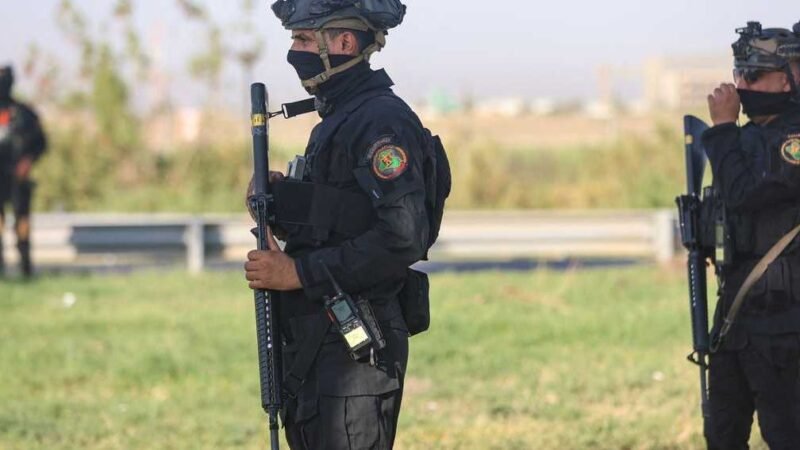
Libya’s western coastal region experienced a significant escalation in violence on Tuesday, as fierce armed clashes erupted in the cities of Zawiya and Surman. The conflict, which began in the early morning hours, marks one of the most intense outbreaks of hostilities in the area in several months, severely disrupting the daily lives of residents and threatening regional stability.
The fighting rapidly expanded beyond residential neighborhoods, spilling over onto the main coastal road, a vital artery for transport and commerce in the region. The proximity of the violence to the Zawiya oil refinery—one of the country’s most strategic energy facilities—has raised further concerns regarding the impact of the instability on Libya’s infrastructure and the broader economic landscape.
The intensity of the engagement underscores the ongoing fragility of the security situation in western Libya. For years, the region has been characterized by the presence of competing armed groups, often operating with significant autonomy. This latest flare-up serves as a stark reminder of the challenges facing efforts to consolidate state authority and maintain order in the wake of prolonged political fragmentation.
Local reports suggest that the conflict resulted in a state of alarm throughout the affected urban centers, forcing civilians to remain indoors as gunfire and explosions reverberated through the streets. The situation remains fluid, with local authorities and community leaders attempting to navigate the volatile landscape to contain the clashes.
While the specific triggers of this latest outbreak are often rooted in local power dynamics, the impact of these confrontations is felt nationally. The persistent influence of non-state armed actors continues to be a primary obstacle to national reconciliation and the establishment of a unified security apparatus capable of protecting critical infrastructure and ensuring the safety of the populace. As of Tuesday afternoon, the long-term impact on the operational status of the nearby oil refinery and the duration of the security mobilization remained a focal point of concern for international observers monitoring the situation in the North African nation.