

Iran’s Security Council Set to Review Proposed Strait of Hormuz Accord
Iran’s Supreme National Security Council is poised to conduct a critical review of a proposed multilateral agreement aimed at de-escalating regional tensions and securing maritime navigation through the Strait of Hormuz. The accord, which involves participation from Oman and the United States, represents a significant diplomatic effort to stabilize one of the world’s most vital energy transit corridors.
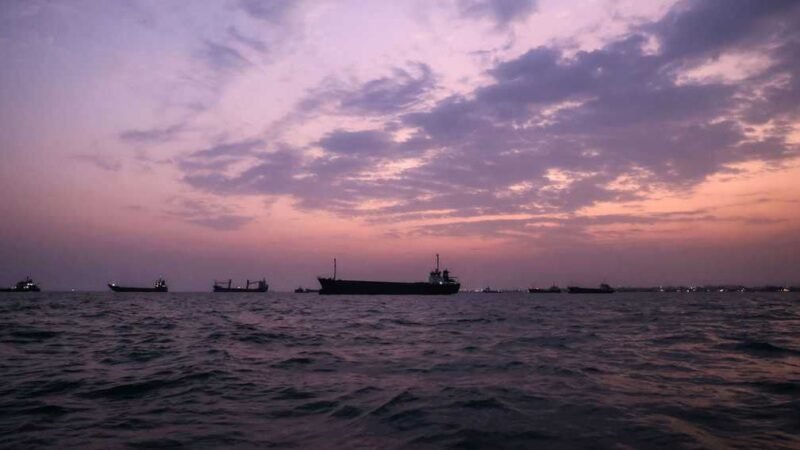
The potential agreement focuses on two primary objectives: the implementation of a regional ceasefire and the formal guarantee of unimpeded passage for commercial vessels traversing the Strait of Hormuz. As a strategic chokepoint through which a substantial portion of global oil and liquified natural gas supplies flow, the strait has long been a flashpoint for geopolitical friction, often characterized by naval maneuvering and reciprocal threats between Iranian forces and international maritime coalitions.
Oman, which has historically maintained a unique position as a neutral mediator in Gulf affairs, is playing a central role in facilitating the discussions. By acting as a conduit between Tehran and Washington, Muscat aims to leverage its diplomatic channels to foster a security framework that addresses Iranian concerns while alleviating anxieties among global energy markets and international shipping companies.
The involvement of the Supreme National Security Council signifies that the proposal has reached a decisive phase within the Iranian government. As the highest body responsible for formulating and overseeing national security and foreign policy, the council’s approval is an essential prerequisite for any formal commitment to the trilateral framework. If endorsed, the move would signal a notable shift toward diplomatic de-escalation in the maritime domain.
The significance of this potential agreement extends beyond the immediate concerns of maritime security. A successful implementation could serve as a confidence-building measure in a region long strained by a lack of direct communication between Iran and the United States. For global energy markets, the prospect of a guaranteed ceasefire and the lifting of threat-related disruptions in the Persian Gulf provides a necessary hedge against volatility, particularly during periods of heightened regional instability.
While the specific technicalities and duration of the proposed ceasefire remain subject to the council’s deliberations, the move is viewed by regional observers as a pragmatic attempt to institutionalize stability. By formalizing agreements regarding the transit of vessels through the Strait of Hormuz, the involved parties aim to reduce the risk of inadvertent military confrontation and secure the flow of energy resources that are essential to both regional economies and global supply chains.
The international community remains attentive to the outcome of the Supreme National Security Council’s meeting, as the formalization of this agreement could reshape the security architecture of the Persian Gulf, providing a rare pathway for sustained diplomatic engagement in an otherwise volatile environment.