

Strait of Hormuz: Iran’s Strategic Calculus Amid Regional Tensions
The Strait of Hormuz has once again moved to the center of the regional security architecture, serving as both a primary strategic lever for Tehran and a major point of friction with Washington. As military posturing alternates with back-channel diplomatic overtures, the narrow waterway—which acts as the world’s most significant maritime chokepoint for oil exports—remains a barometer for the broader instability gripping the Middle East.
For Iran, the Strait is a dual-purpose instrument. Its control over the transit route provides a unique capability to influence global energy markets and exert pressure on international powers. By periodically threatening to disrupt the flow of tankers, Tehran signals its capacity to retaliate against sanctions or military pressure, effectively raising the cost of any potential escalation for Western and regional stakeholders.
However, the strategy is nuanced. While Iranian rhetoric often points toward the possibility of a total blockade, such an action would carry immense domestic and geopolitical risks. A full-scale closure of the Strait would trigger a swift, robust military response from the United States and its regional allies, while simultaneously alienating global powers—including those in Asia that rely heavily on Persian Gulf oil—with whom Iran seeks to maintain functional economic ties. Consequently, the regime in Tehran appears to be navigating a fine line: maintaining a state of ‘controlled tension’ that is high enough to command international attention but low enough to avoid a direct, devastating military confrontation.
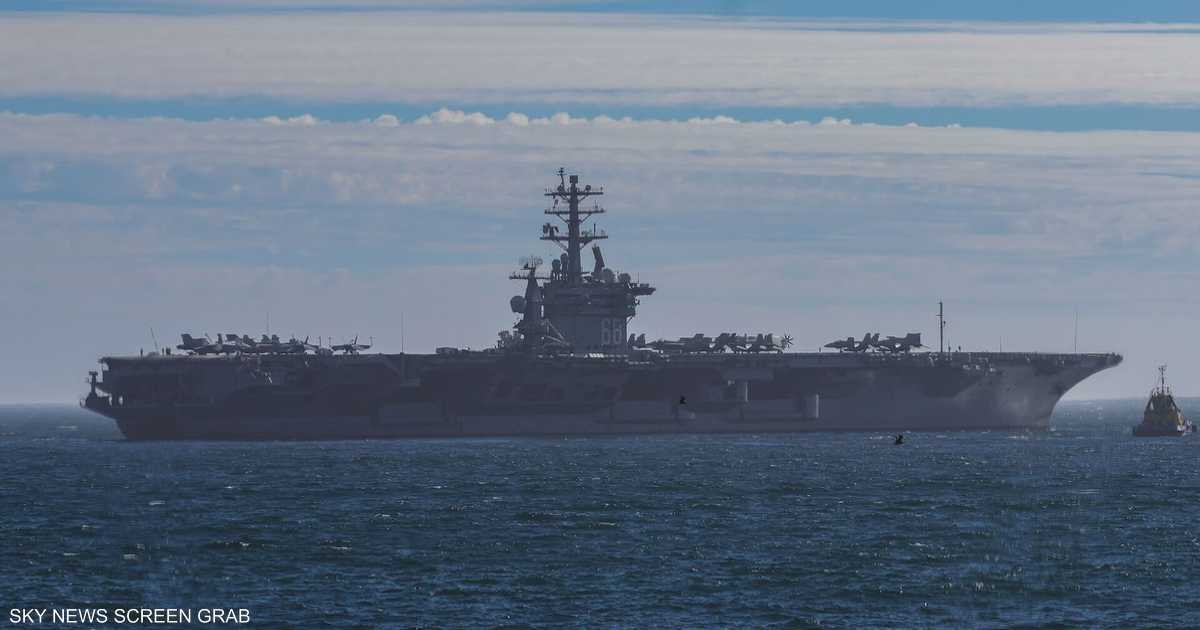
Washington and its regional partners, meanwhile, have sought to bolster maritime security through increased patrols and multilateral coalitions. These efforts are designed to ensure the freedom of navigation and deter any unilateral interference with commercial shipping. The persistent presence of international naval forces underscores the vital importance of the route, where nearly one-fifth of the world’s total oil consumption transits daily.
Recent developments suggest that the region is currently trapped in a cycle of brinkmanship. Diplomatic channels remain open as various actors attempt to reach a tacit understanding on the rules of engagement. Yet, as long as the underlying geopolitical dispute between Tehran and Washington remains unresolved, the Strait of Hormuz is unlikely to see long-term stability. Instead, the area is expected to remain a venue for periodic testing of red lines and strategic signaling.
The volatility in the Strait also reflects broader shifts in Middle Eastern power dynamics. As Iran continues to expand its influence across the region, the maritime domain has become an extension of its continental security strategy. For observers, the key question remains whether Tehran’s current posture is a precursor to a wider escalation or a defensive mechanism intended to protect its interests during a period of intense geopolitical flux. For now, the global economy remains tethered to the stability of these waters, where a single miscalculation could have profound repercussions for international security and energy markets alike.