

UNESCO Places Three Arab Heritage Sites on Endangered List
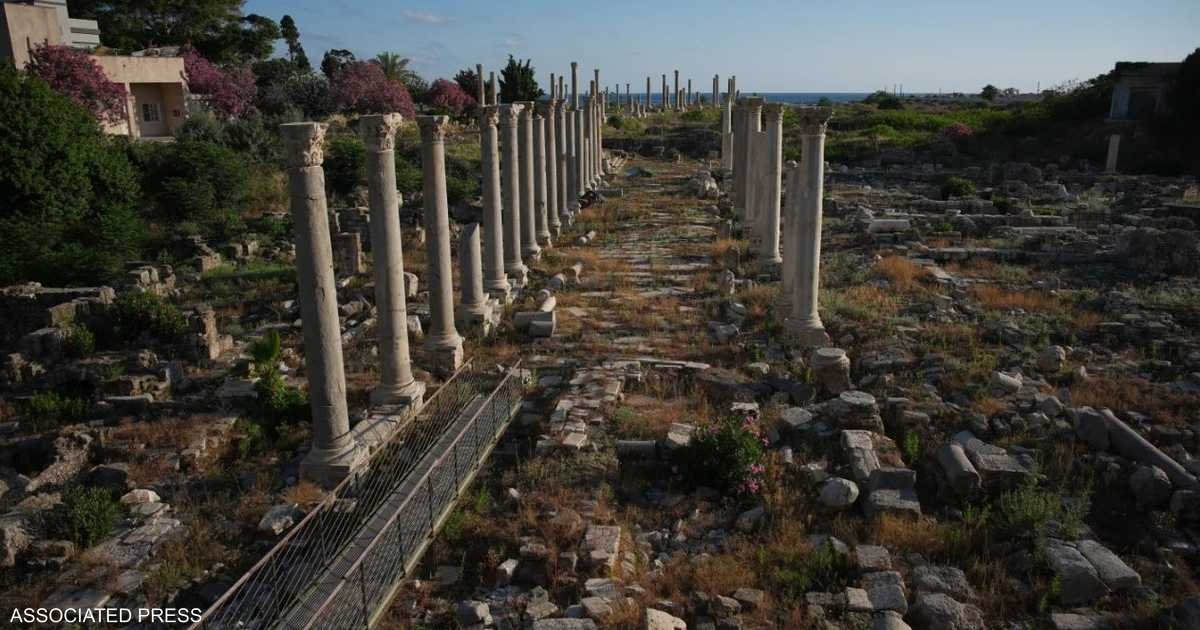
The United Nations Educational, Scientific and Cultural Organization (UNESCO) has officially added three significant cultural landmarks in the Middle East to its List of World Heritage in Danger. This strategic move is designed to catalyze international support and resource mobilization to safeguard these sites from irreversible damage caused by regional instability, armed conflict, and the deterioration of archaeological infrastructure.
By elevating these sites to the ‘danger’ category, UNESCO aims to bring global attention to the humanitarian and cultural crises affecting the Middle East’s historic narrative. The organization provides this designation when sites are threatened by specific, proven dangers, including the impact of military activities or natural disasters. The status serves as a mechanism to facilitate financial and technical assistance, ensuring that these pillars of human history are not lost to the ravages of war or neglect.
For decades, the Middle East has served as a crucible of human civilization, hosting an unparalleled density of archaeological treasures. However, the security landscape across the region has increasingly put these physical manifestations of history at risk. Armed conflicts, which often see heritage sites used as tactical positions or collateral damage in territorial disputes, remain the primary driver behind this latest intervention. The inclusion of these three sites highlights the critical need for a coordinated international approach to cultural diplomacy during times of unrest.
UNESCO’s intervention is not merely symbolic; it acts as a formal alert to the international community. Once a site is inscribed on the List of World Heritage in Danger, the World Heritage Committee works in tandem with the local authorities of the relevant nations to develop a remedial plan. This plan often includes emergency restoration, enhanced security protocols, and long-term stabilization efforts. The objective is to mitigate threats to the sites’ integrity and ‘Outstanding Universal Value,’ which justified their original inclusion on the World Heritage list.
Beyond the immediate physical preservation, this decision underscores the broader political significance of cultural heritage in the Arab world. Protecting these sites is viewed by many as an act of resilience, ensuring that the cultural identity and historical continuity of the affected nations remain intact despite the political upheavals. The mobilization of international experts and specialized agencies suggests a deepening commitment to protecting the physical records of the region’s past, which are frequently targeted in modern conflicts as a means of erasing collective memory.
As the affected nations contend with the dual burden of state-building and security management, the UNESCO designation offers a framework to prioritize cultural protection. It compels local governments to remain accountable to international heritage standards and encourages external stakeholders to assist in the professional conservation of these sites. While the path toward long-term stabilization remains fraught with challenges, this designation represents a vital step in safeguarding the common heritage of humanity located within the Middle East from the destructive forces of the 21st century.