

Russia Denies Involvement in German Air Cargo Incident
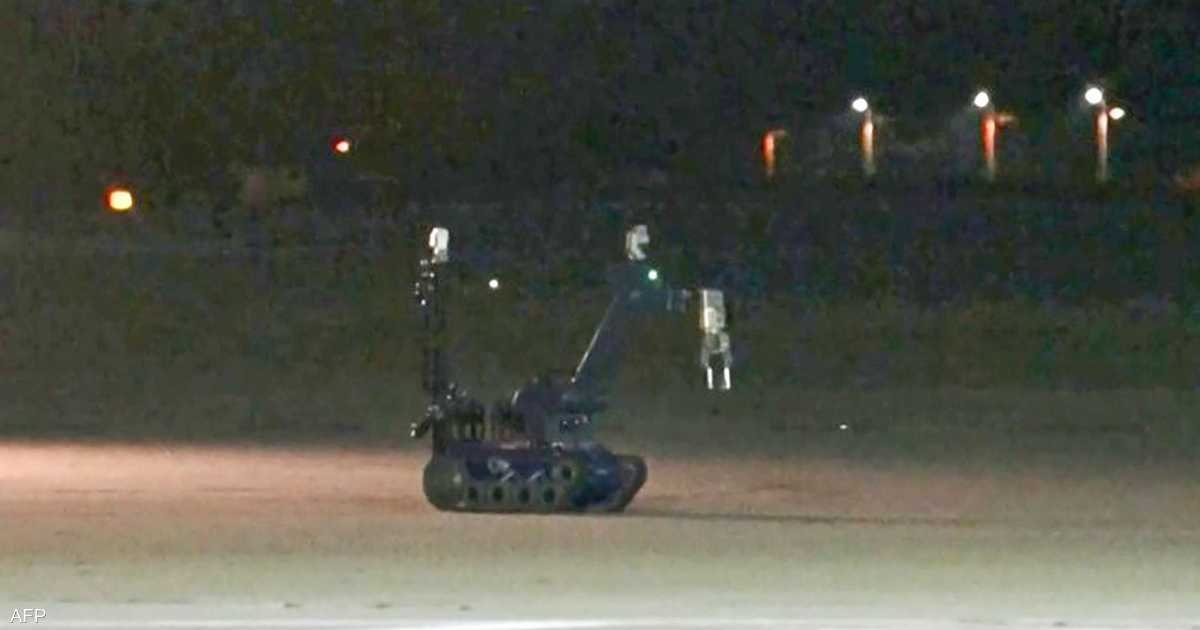
The Russian Embassy in Berlin has formally rejected allegations that it played any role in a suspected drone incident at a major air cargo facility in Germany earlier this week. In a robust statement released on Friday, Moscow characterized the claims as a manufactured provocation, asserting that the accusations are part of an ongoing pattern of political rhetoric intended to undermine Russia’s international standing without the presentation of verified evidence.
This denial comes amidst heightened security anxieties across Europe concerning potential acts of sabotage targeting critical infrastructure. German authorities have been investigating a series of security irregularities within the logistics sector, with particular attention directed at air freight hubs that serve as vital links for international trade. The Russian diplomatic mission maintained that such narratives are designed to facilitate a campaign of defamation rather than address genuine security concerns, labeling the incident an attempt to stir public alarm.
For stakeholders in the Middle East and North Africa, the escalating friction between Moscow and European capitals is of significant strategic importance. As regional powers continue to balance multifaceted relationships with both Russia and the European Union, the intensifying security rhetoric in the West carries tangible geopolitical risks. The ongoing conflict in Ukraine has already forced several MENA nations into delicate diplomatic positions, requiring them to manage energy security, agricultural imports, and defense cooperation amidst shifting global alliances.
Furthermore, the concern regarding drone technology—often a primary tool for asymmetric warfare in regional conflicts such as those in Yemen, Syria, and Ukraine—highlights the increasing vulnerability of global supply chains. Should European nations implement stricter security protocols or sanctions related to cargo logistics and technological exports as a result of these incidents, the ripple effects could directly impact the economic corridors connecting North Africa and the Gulf to European markets.
Analysts note that as Western intelligence services increase their scrutiny of Russian activities on European soil, the potential for spillover into diplomatic and economic relations with Middle Eastern partners remains a critical consideration. Moscow’s categorical denial reflects a broader effort to counter Western narratives, even as regional actors observe these developments with caution, fearful that a deterioration in the Russia-Europe security architecture could further constrain the regional diplomatic maneuvering room available to MENA states.
As the investigation in Germany continues, the incident serves as a reminder of the volatility currently characterizing the European security environment. Whether these claims lead to a significant shift in diplomatic policy or remain contained within the sphere of information warfare, the outcome will likely continue to influence the broader strategic landscape that defines Middle Eastern interactions with major global powers.